 Iraq
Iraq
Cradle of civilization where rivers, ruins, and resilience converge.
About Iraq
Iraq occupies the heart of ancient Mesopotamia, the fertile land between the Tigris and Euphrates rivers where writing, cities, and codified law first took shape. Its territory stretches from the snow-dusted Zagros Mountains of the Kurdistan Region in the north to the palm groves and marshlands meeting the Gulf in the south, with a vast central plain that has been farmed for more than six thousand years. The country is home to Arabs, Kurds, Turkmen, Assyrians, Yazidis, Chaldeans, Armenians, and Mandaeans, among others, reflecting a religious and linguistic mosaic shaped by millennia of empires and exchange. Successive Sumerian, Akkadian, Babylonian, Assyrian, and Persian civilizations laid the foundations later inherited by the Abbasid Caliphate, whose Baghdad became a global center of science, translation, and trade during its eighth- to thirteenth-century golden age. Contemporary Iraq carries the weight of recent decades of war and sanctions, yet has grown notably more stable since 2017. Travelers today find a country slowly reopening to the world, where ziggurats, shrines, citadels, and bustling tea houses sit alongside an everyday hospitality that locals treat as a point of cultural pride.
Regions of Iraq
Iraq can be read through three broad regions. The Mesopotamian heartland along the Tigris and Euphrates holds Baghdad, the ancient sites of Babylon and Samarra, and the Shia holy cities of Najaf and Karbala. The Kurdistan Region in the mountainous north centers on Erbil, Sulaymaniyah, and Duhok, each with its own dialect, cuisine, and pace. The southern marshlands and Gulf coast, anchored by Basra and Amarah, are the homeland of the Marsh Arabs and a UNESCO-listed wetland ecosystem.
When to visit Iraq
The most comfortable months across most of Iraq run from October through April, when daytime temperatures are mild and the desert glare softens. Spring, especially March and April, brings wildflowers to the north and pleasant evenings in Baghdad and Basra. Summers from June through August are intensely hot, often exceeding 45 degrees Celsius in the central and southern plains, though Kurdistan's mountain towns remain bearable. Winters are cool, occasionally cold with snow in the highlands, and well suited to visits to shrines, museums, and old quarters.
- Iraqi Dinar (IQD)
- +964
- AR, KU-SO, KU-KU
- Asia/Baghdad
Visa policy for Iraq
Select your passport to see federal-Iraq + Kurdistan Region visa requirements, fees, and eligibility.
Cash, cards, and rates in Iraq
Iraq runs on cash. The Iraqi dinar (IQD) is the official currency, but the US dollar is a parallel money in everyday life: hotels quote rooms in dollars, tour operators invoice in dollars, and many shopkeepers will happily take either. Bring more cash than you think you need, in clean, post-2013 US bills (no tears, no ink marks), and exchange small amounts into dinar for taxis, tea, street food, and tipping. Treat ATMs and cards as a backup plan that may or may not work on any given day, not as your primary funding strategy.
Card acceptance
Card acceptance is patchy and improving slowly, but you should plan as if every transaction will be cash. Mid-range and upscale hotels in Baghdad, Erbil, Basra, and Sulaymaniyah generally accept Visa and Mastercard, sometimes with a 3 to 5 percent surcharge. A handful of upscale restaurants, malls, and supermarket chains (Carrefour, Lulu, City Center) take cards reliably. Almost everything else — taxis, street vendors, attraction tickets, mid-range eateries, small guesthouses, intercity shared taxis, fuel stations outside major chains — is cash only. American Express is rarely accepted anywhere. Always carry enough dinar and dollars to cover a full day without touching a card.
ATM reality
ATMs exist but are inconsistent. Baghdad International Airport, Erbil International Airport, major Rotana and Babylon-tier hotels, and some bank branches in the Kurdistan Region (Byblos Bank, Cihan Bank, RT Bank) have ATMs that accept foreign Visa and Mastercard. In practice, machines run out of cash on weekends, decline foreign cards without explanation, or impose low per-withdrawal caps (often 400,000 to 800,000 IQD, roughly 300 to 600 USD). Federal Iraq ATMs are noticeably less reliable than KRG ones. Carry a backup card on a different network, notify your bank in advance, and never rely on a single ATM working when you need it.
US dollar acceptance
US dollars are accepted almost everywhere a foreigner is likely to spend serious money: hotels, tour drivers, fixers, international restaurants, larger souvenir shops, and some clinics. Bills must be in near-perfect condition — clean, uncreased, no pen marks, no tears, and ideally 2013 series or newer. Older or damaged notes will be refused or discounted heavily. Bring a mix of denominations: 100s for hotels and big payments, 20s and 10s for drivers and meals, and 1s for tips. For anything under about 20 USD — taxis, tea, taxi-share rides, market food — pay in dinar; you will get a better rate and avoid awkward change.
Exchange tips
Avoid the airport exchange counters; their rates are noticeably worse than the street. The best rates in Baghdad are along Al-Kifah Street and around Al-Rasheed Street, where licensed moneychangers post live boards. In Erbil, the moneychangers inside and around the Qaysari Bazaar give competitive rates and handle large sums calmly. In Najaf and Karbala, dealers near the shrine complexes also exchange Iranian rial and Saudi riyal. Always count notes in front of the dealer before walking away, ask for the rate up front, and break large bills into a mix of 25,000 and 10,000 IQD notes. Banks exchange too but are slower and often less favorable than reputable moneychangers.
IQD denominations & quirks
Common IQD notes are 250, 500, 1,000, 5,000, 10,000, 25,000, and 50,000. The 25,000 and 50,000 notes are your workhorses; 1,000 and 5,000 are for tea, taxis, and tips. Expect the classic "thousands confusion": Iraqis routinely drop the word thousand when quoting prices, so "fifty" for a taxi ride means 50,000 IQD (about 38 USD), not 50. Confirm in writing or with fingers if you are unsure, and learn the numerals. Coins are essentially out of circulation. Carry small notes — many vendors and drivers cannot break a 25,000 for a 2,000 IQD fare, and "no change" is a common and genuine answer.
Foreigner vs local pricing
Two-tier pricing is real but usually modest. Major museums and heritage sites — the Iraq Museum in Baghdad, the Erbil Citadel museums, archaeological sites managed by the State Board of Antiquities — publish a foreigner rate that is typically 5 to 15 times the local ticket, though absolute prices remain low by international standards (often 10,000 to 25,000 IQD). Shia shrine complexes in Najaf, Karbala, Kadhimiya, and Samarra are free to enter for all visitors regardless of nationality. In taxis, markets, and at unmetered services, expect a soft foreigner premium; agreeing the price before you get in or buy is normal and not rude. Tour drivers and fixers quote in USD and the rate is the rate.
Budget
USD 30–50/day — shared taxis, hostels and guesthouses, street food, mosque-area pilgrim hospices.
Mid-range
USD 80–150/day — private driver day-rate, mid-range hotel, sit-down restaurants, attraction tickets.
Premium
USD 200–400+/day — hire car with driver, 4–5 star hotel (Rotana, Divan, Babylon), fine dining, fixer for archaeology permits.
Featured cities in Iraq
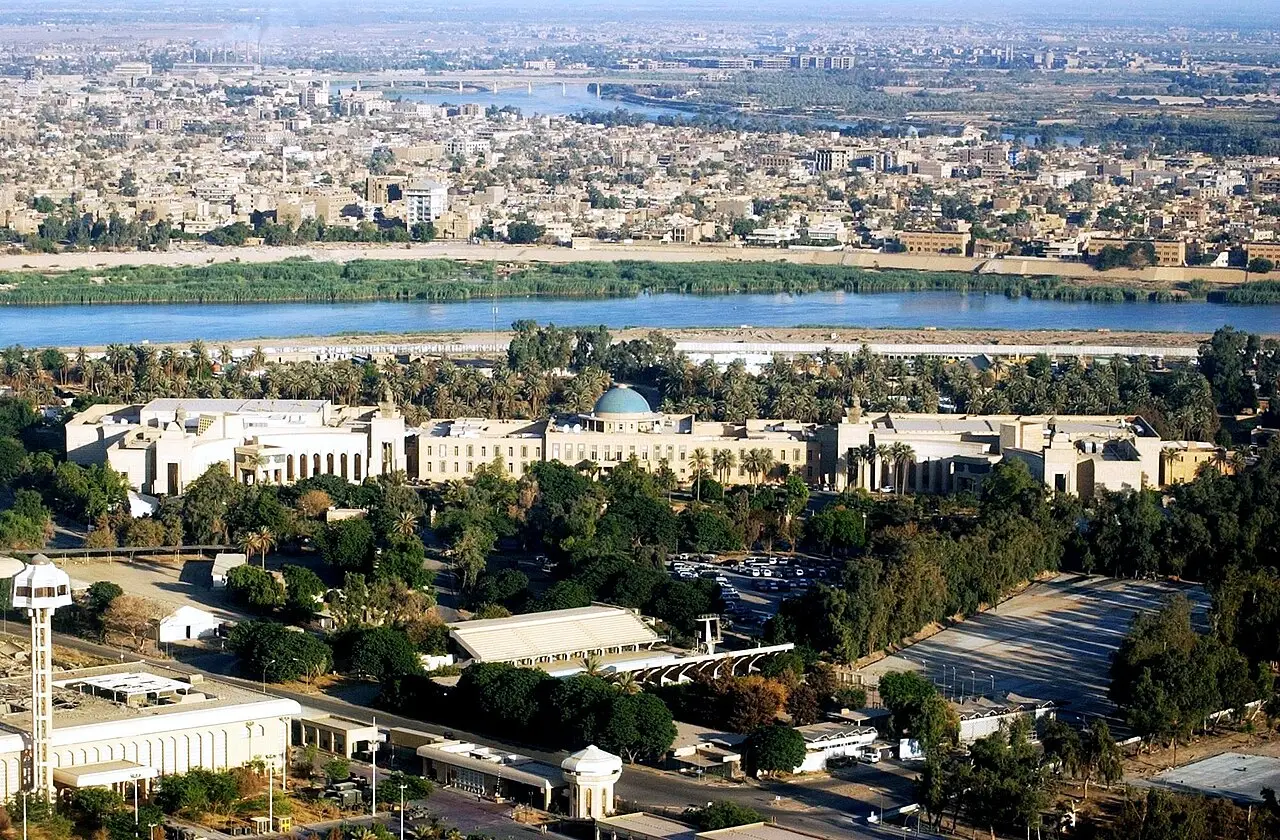
Baghdad
Storied capital on the Tigris, once the world's intellectual heart.
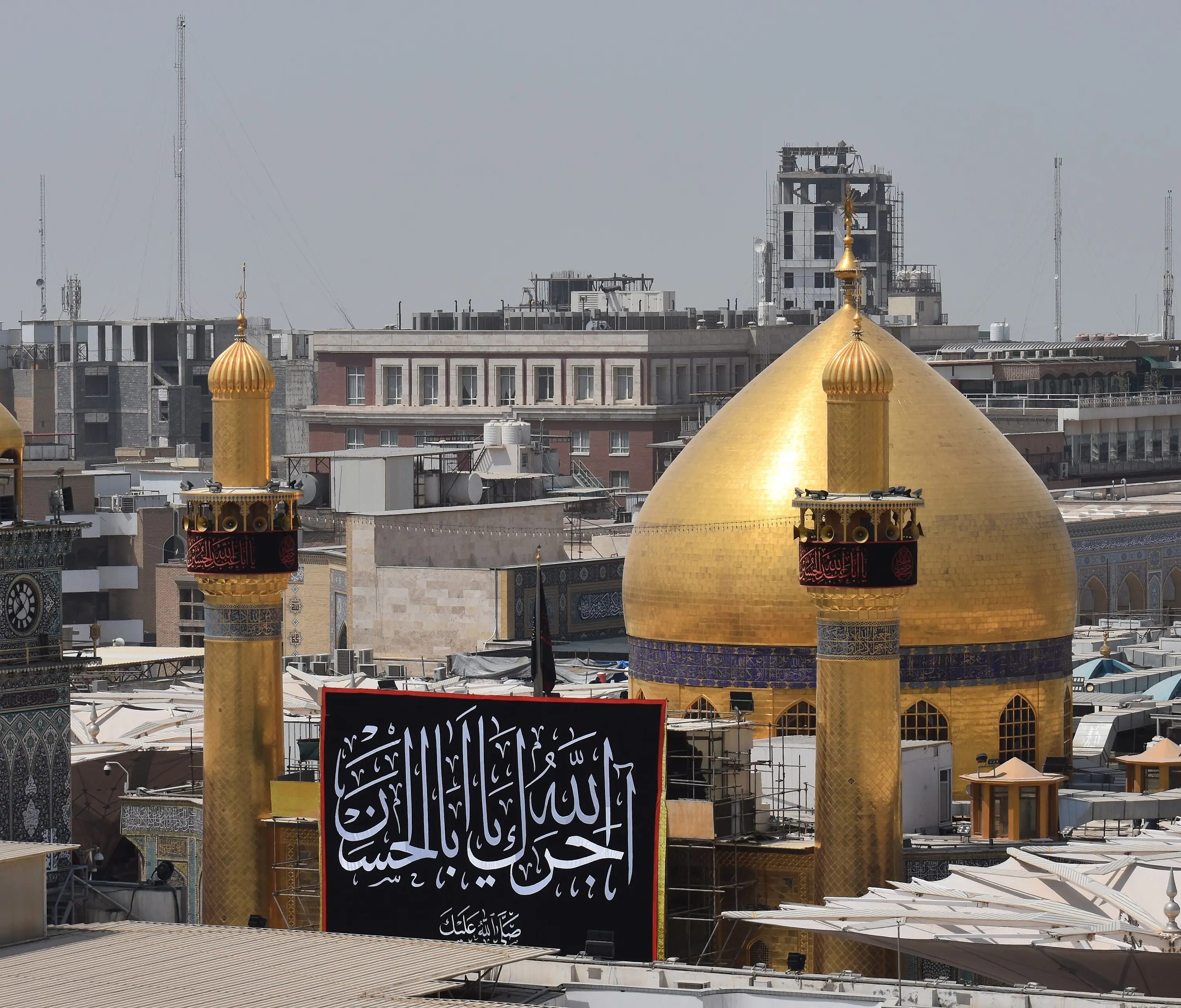
Najaf
Shia Iraq's spiritual heart around the shrine of Imam Ali.
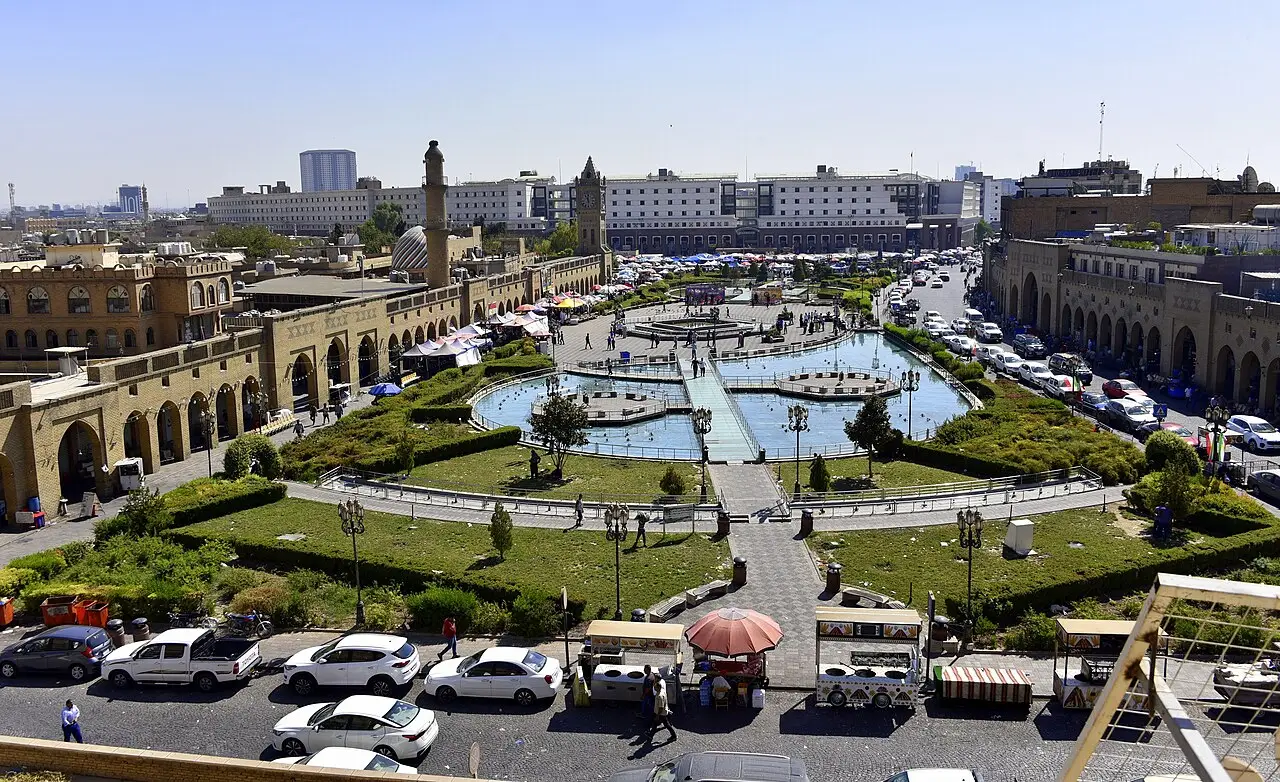
Erbil
Ancient citadel city and modern capital of Iraqi Kurdistan.
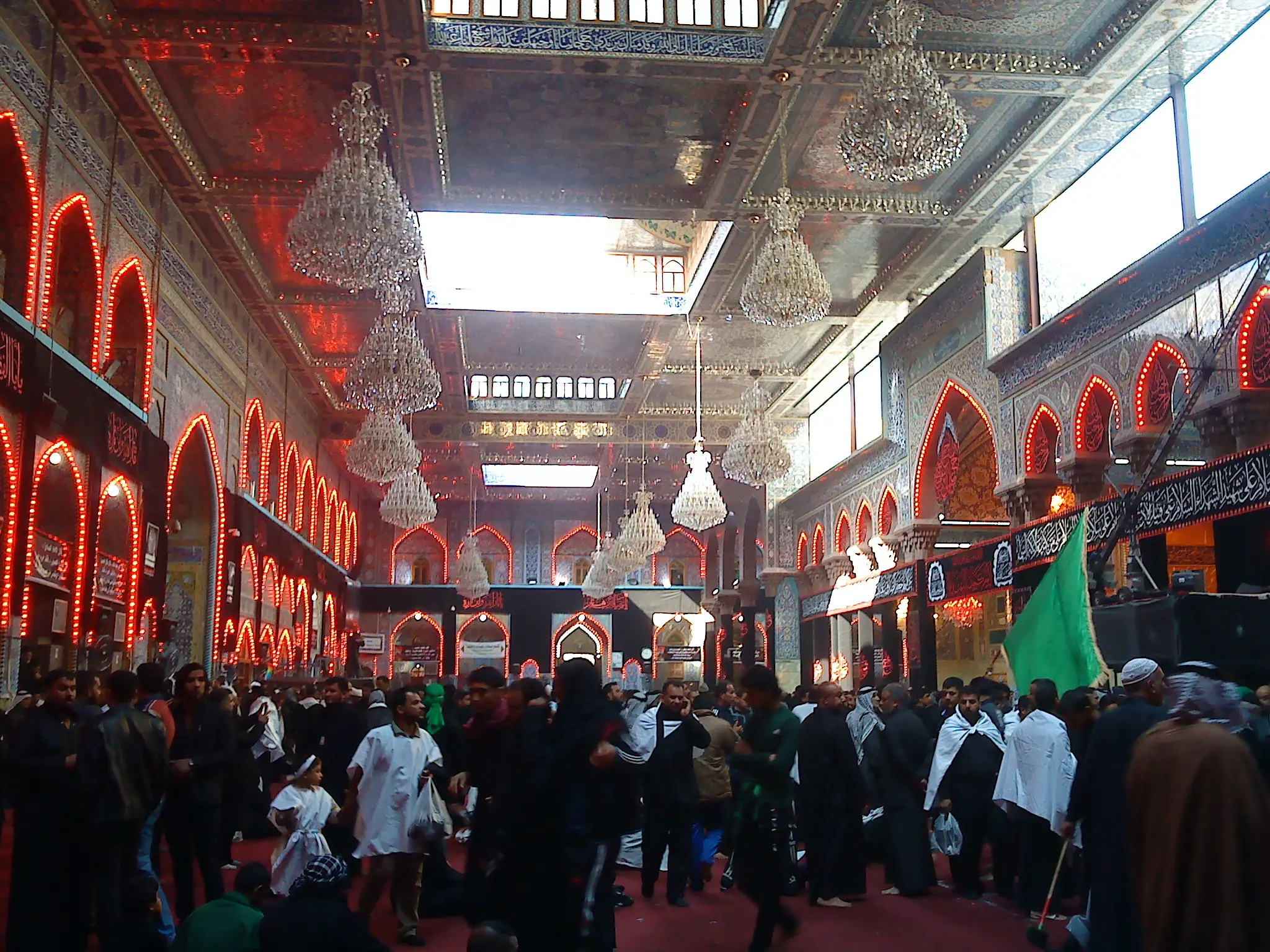
Karbala
Sacred city of Imam Hussein and the world's largest pilgrimages.
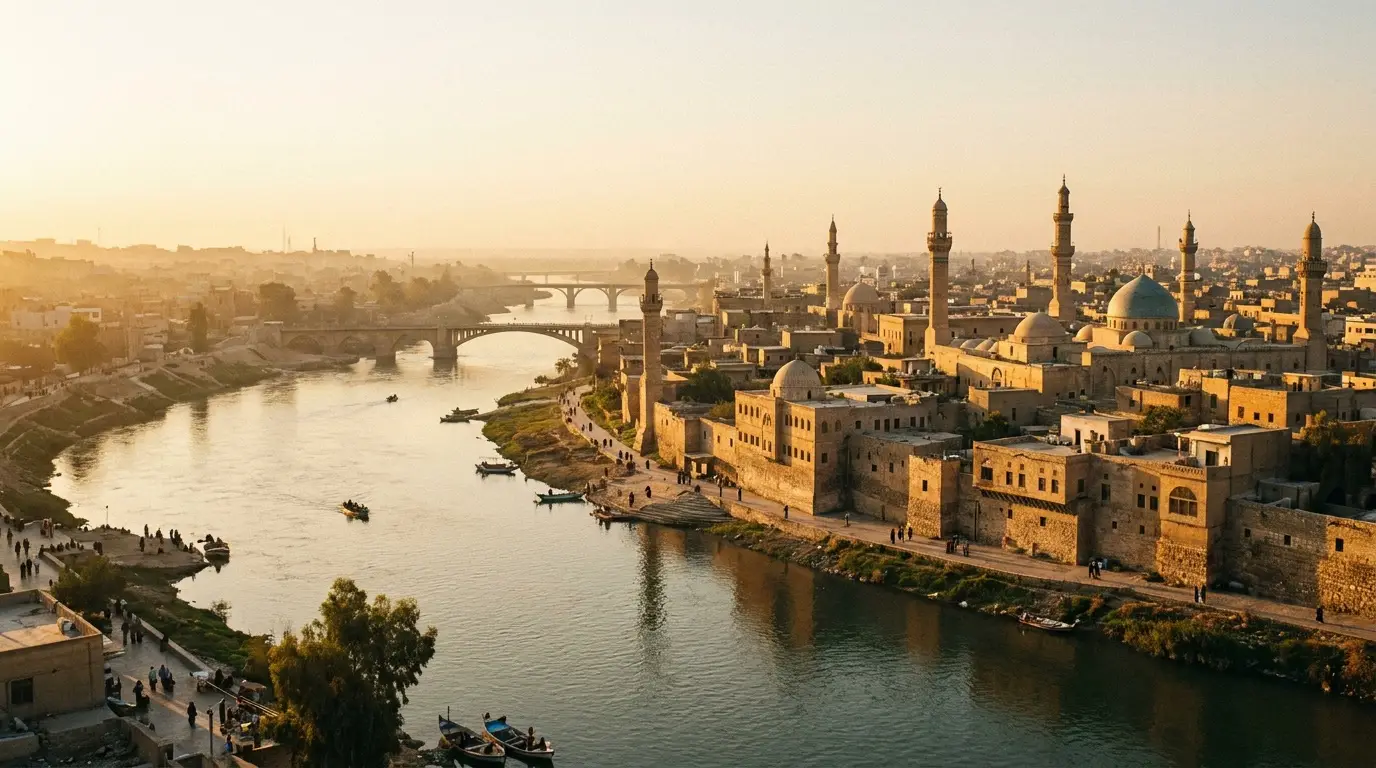
Mosul
Northern crossroads city reawakening beside ancient Nineveh.
View all 11 cities
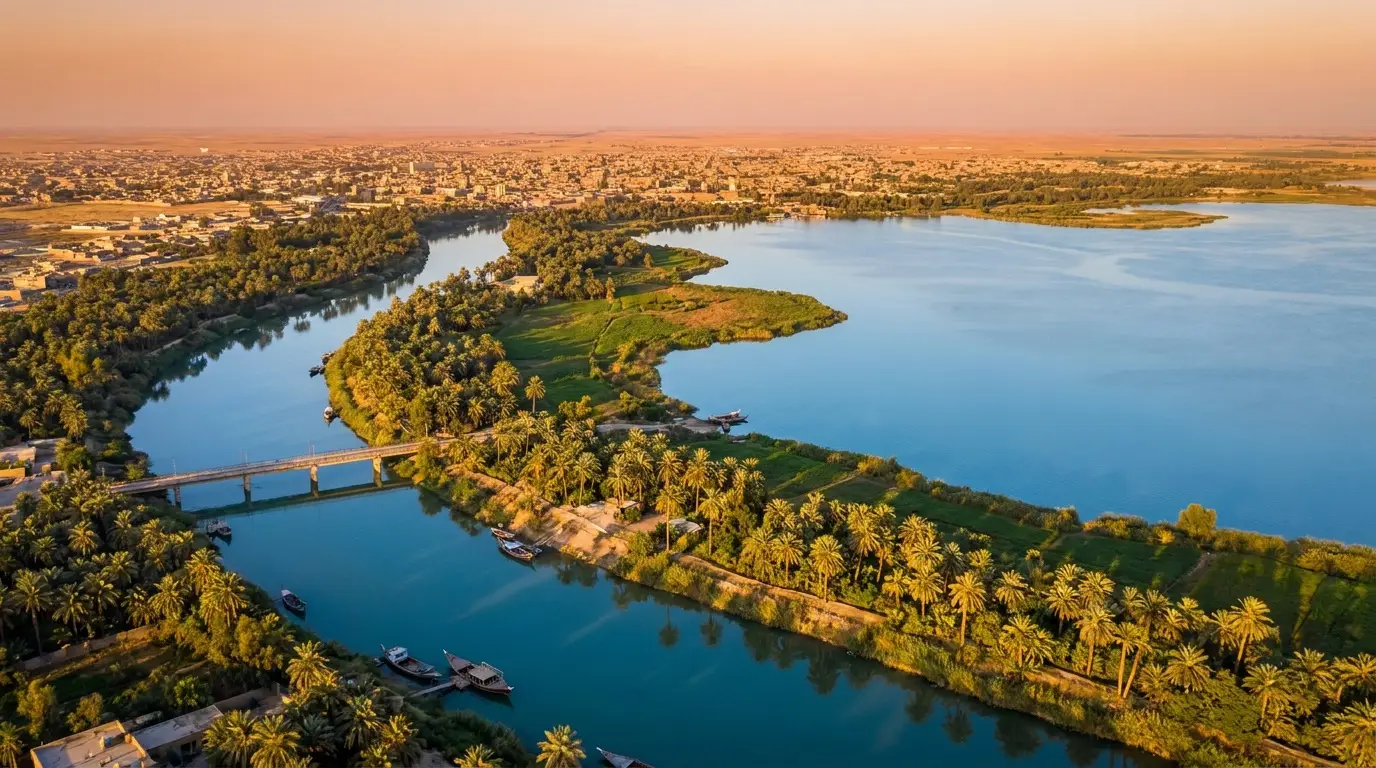
Ramadi
Euphrates river city slowly rebuilding amid date palm groves.
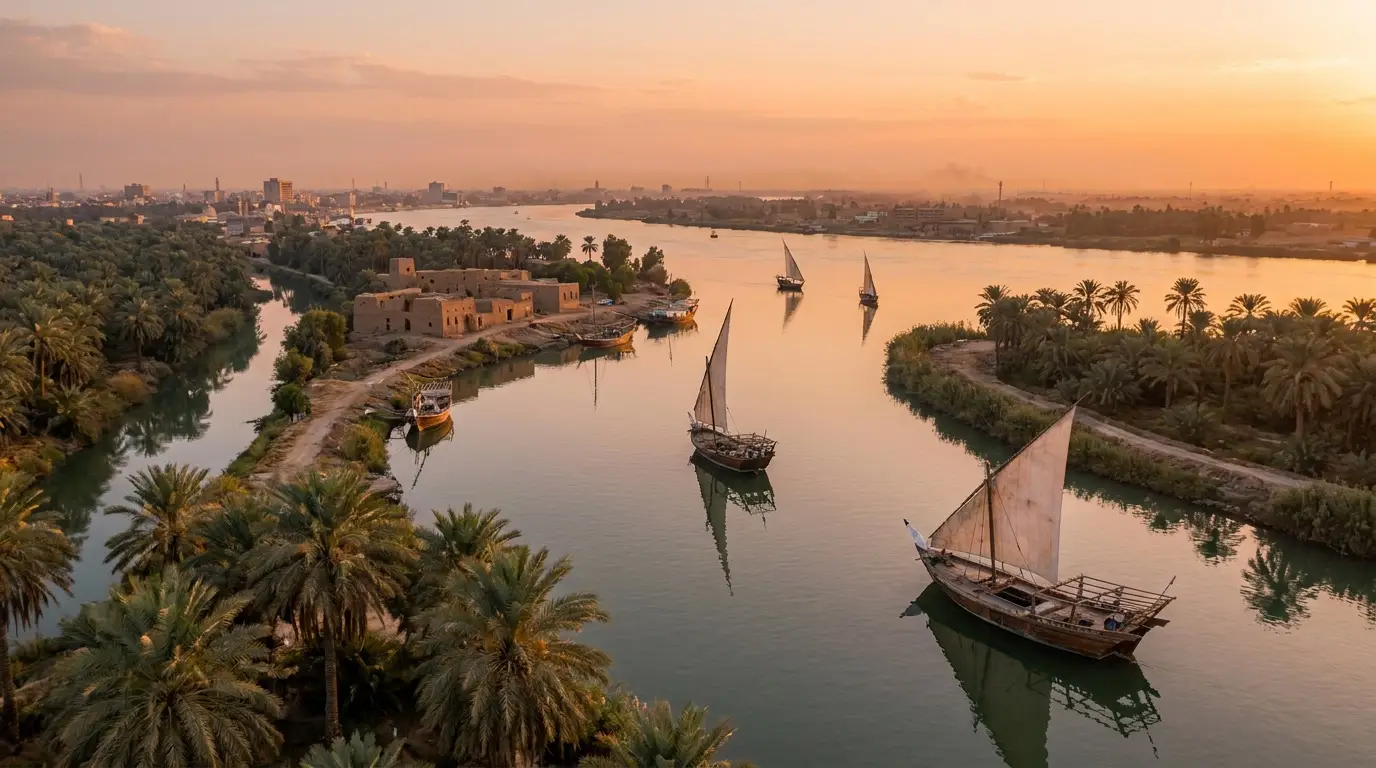
Basra
Southern port city of palms, canals, and shifting tides.
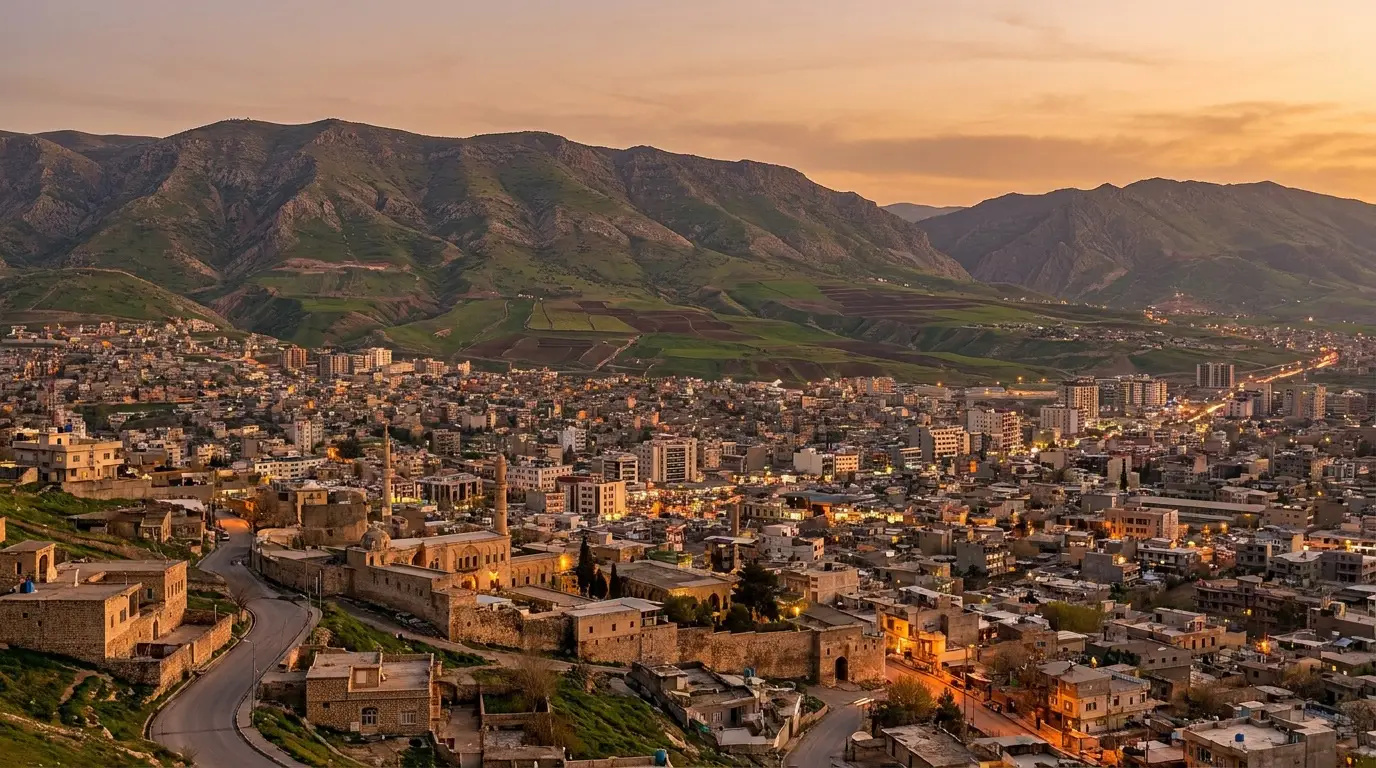
Sulaymaniyah
Kurdistan's cultural capital, framed by mountains and open ideas.
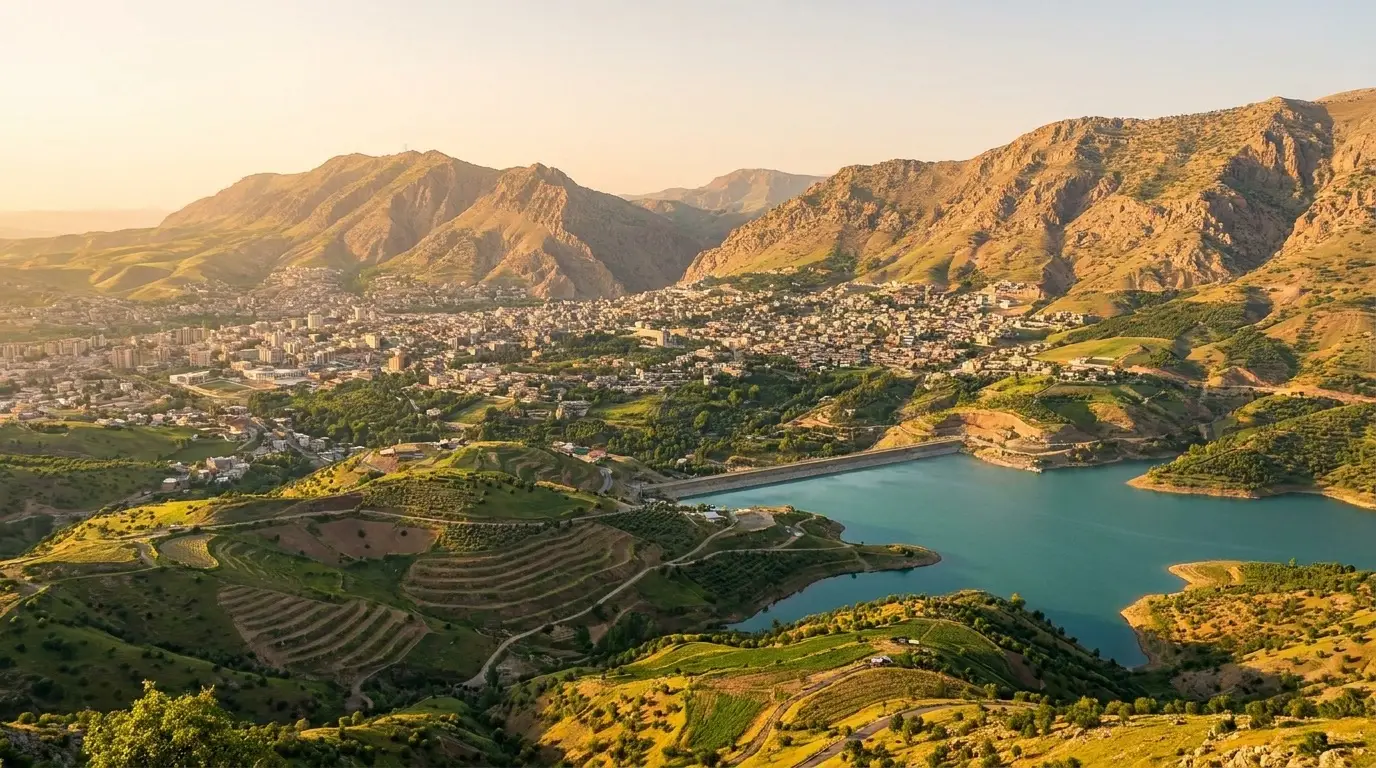
Duhok
Mountain-cradled city at the gateway to Yazidi and Assyrian heritage.
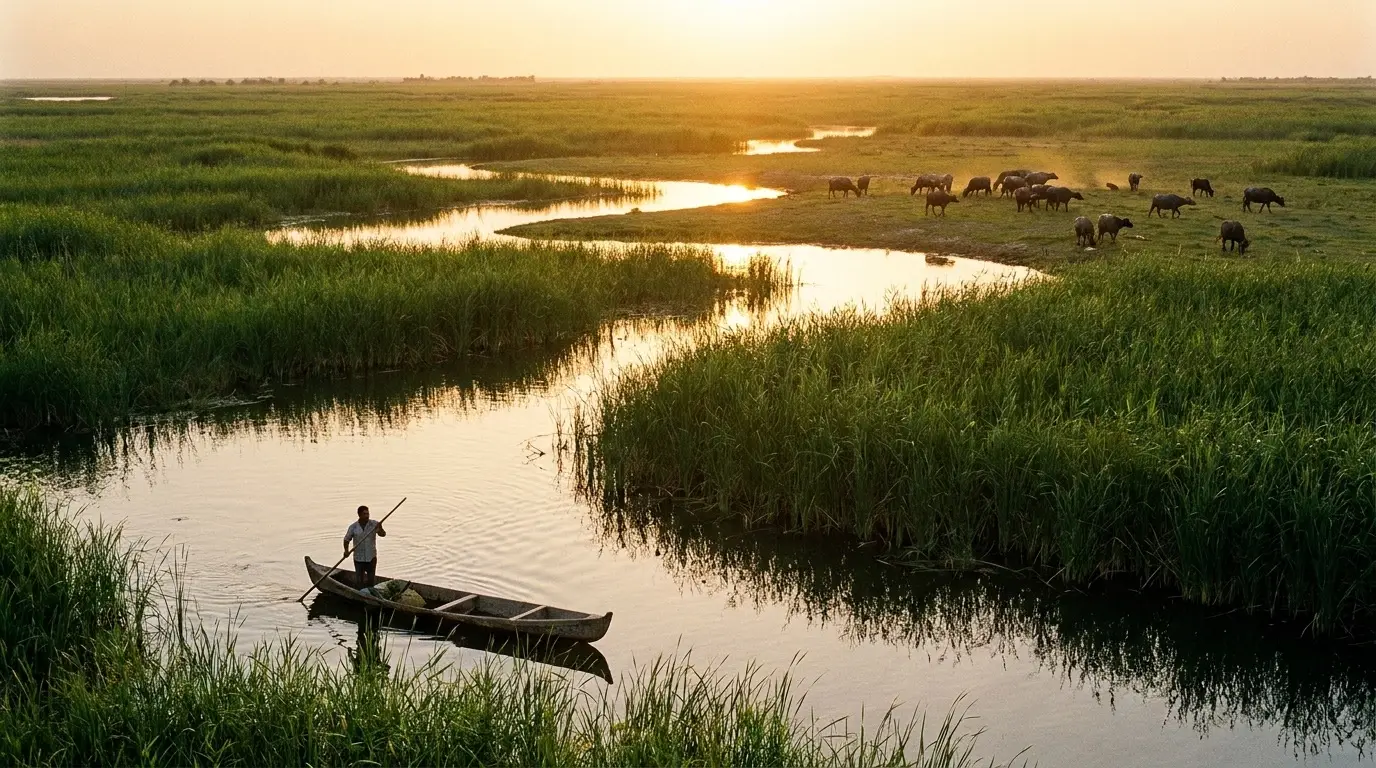
Amarah
Quiet Tigris town at the edge of Iraq's storied marshlands.
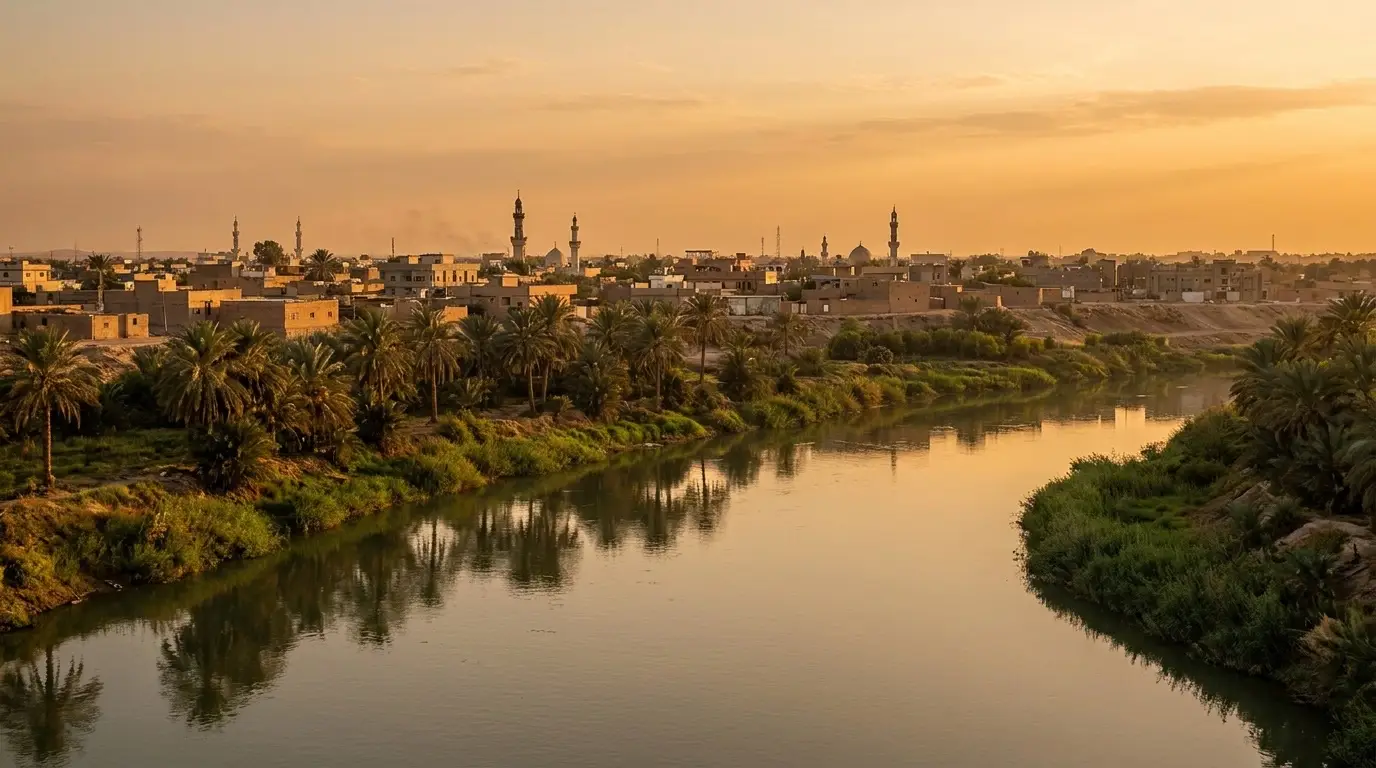
Fallujah
Euphrates city of mosques and resilience, west of Baghdad.
Itineraries in Iraq

Top places in Iraq
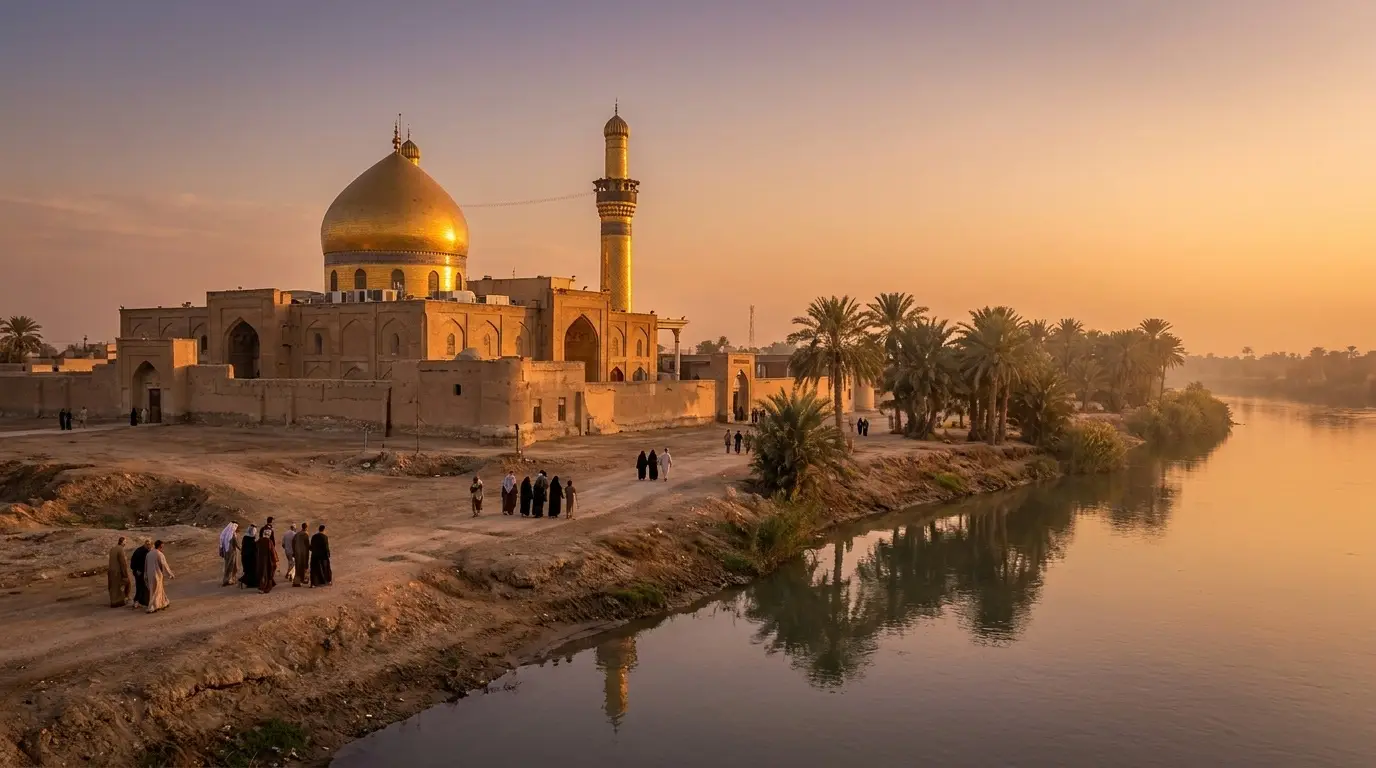
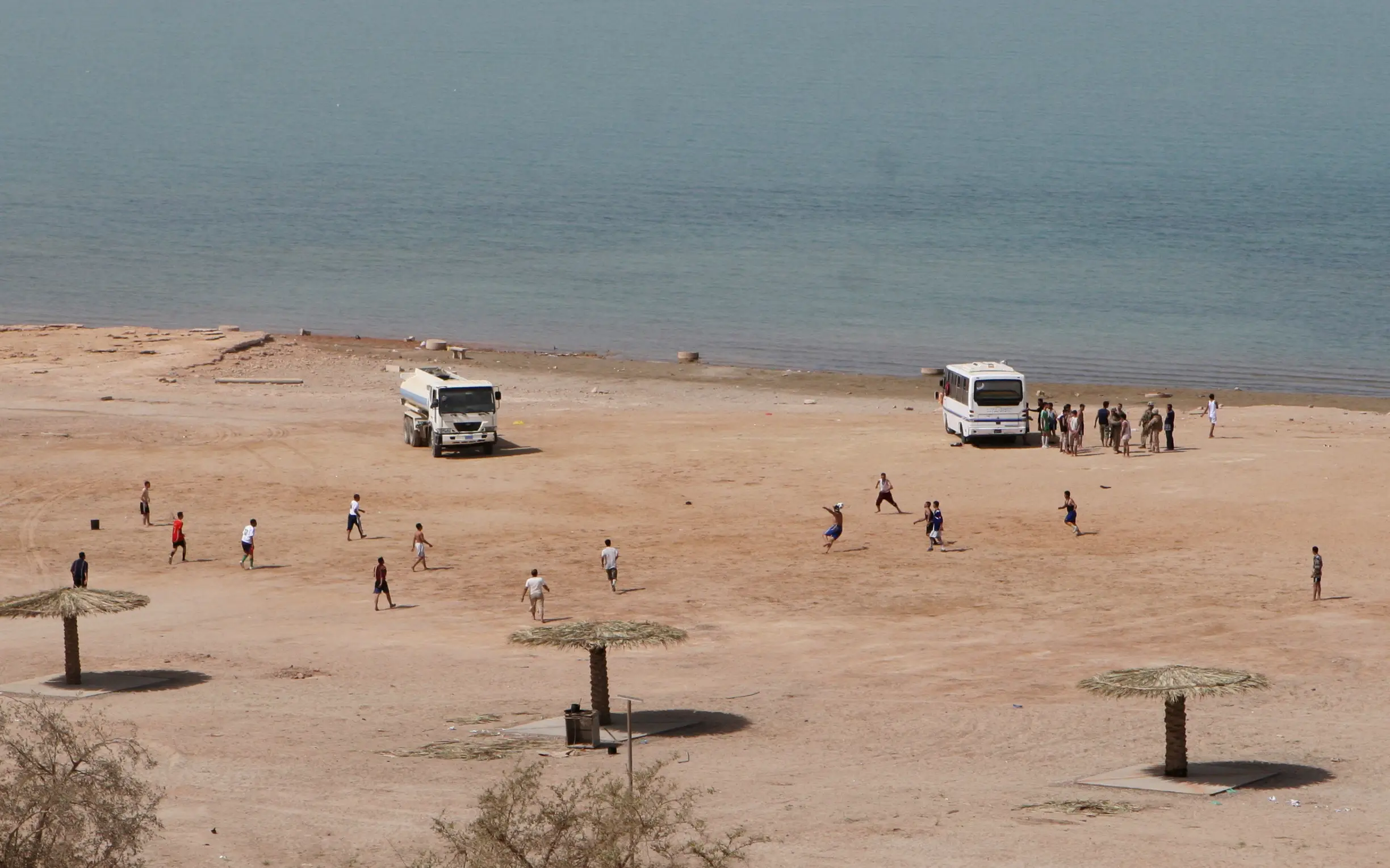
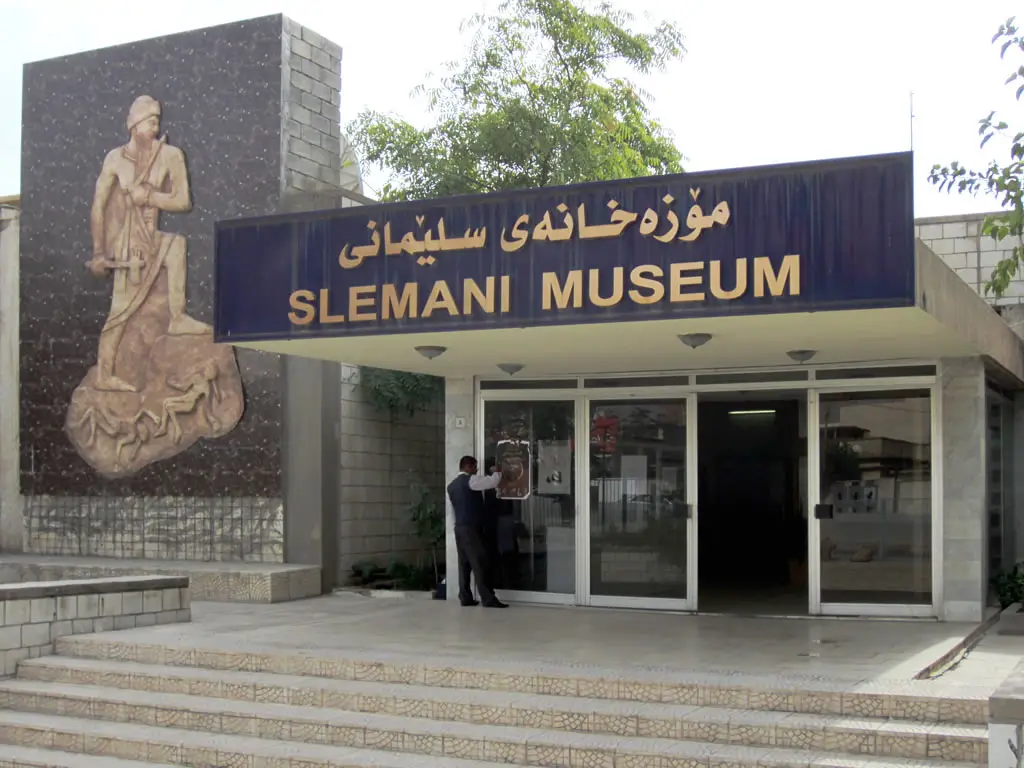
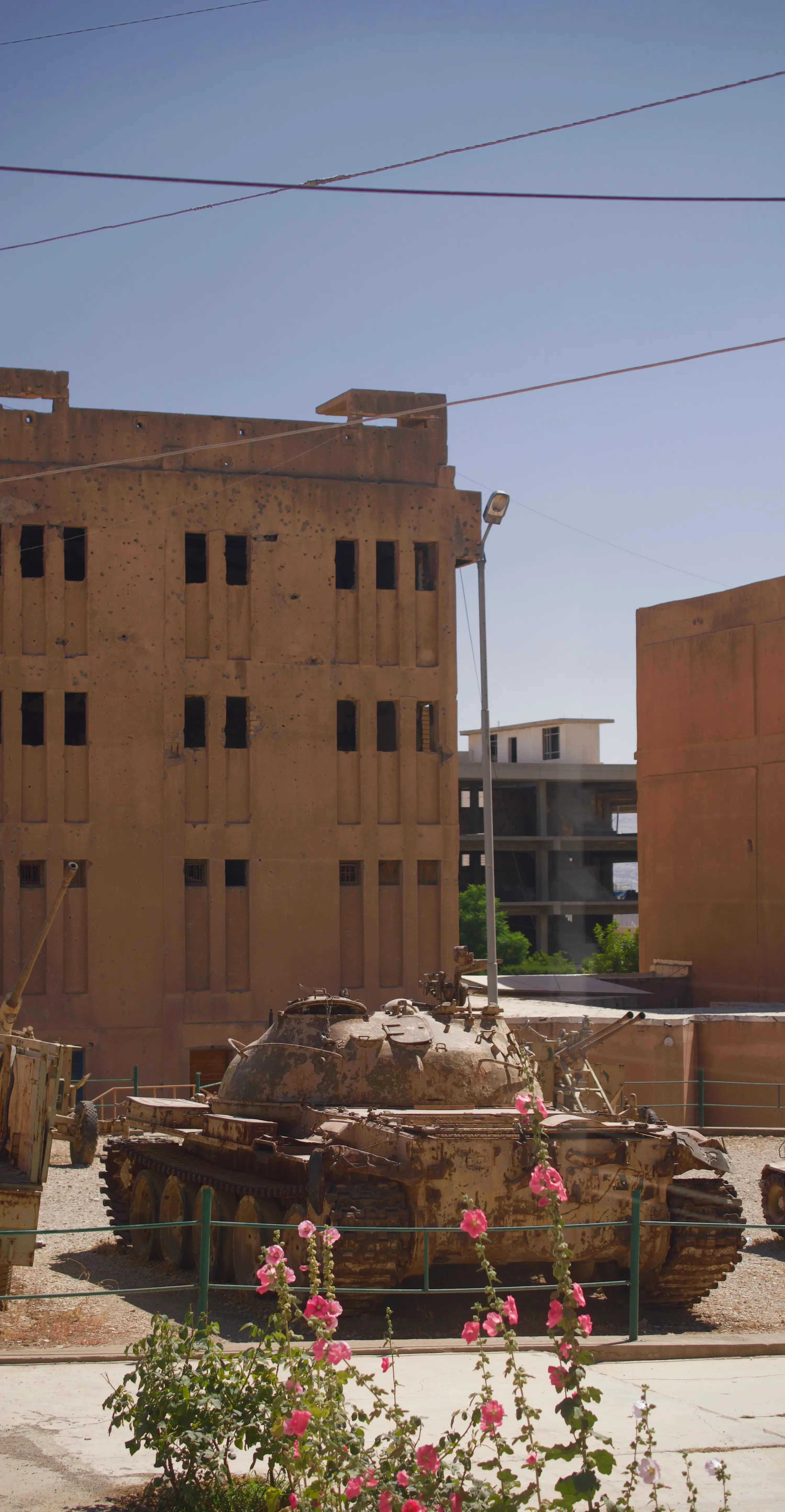
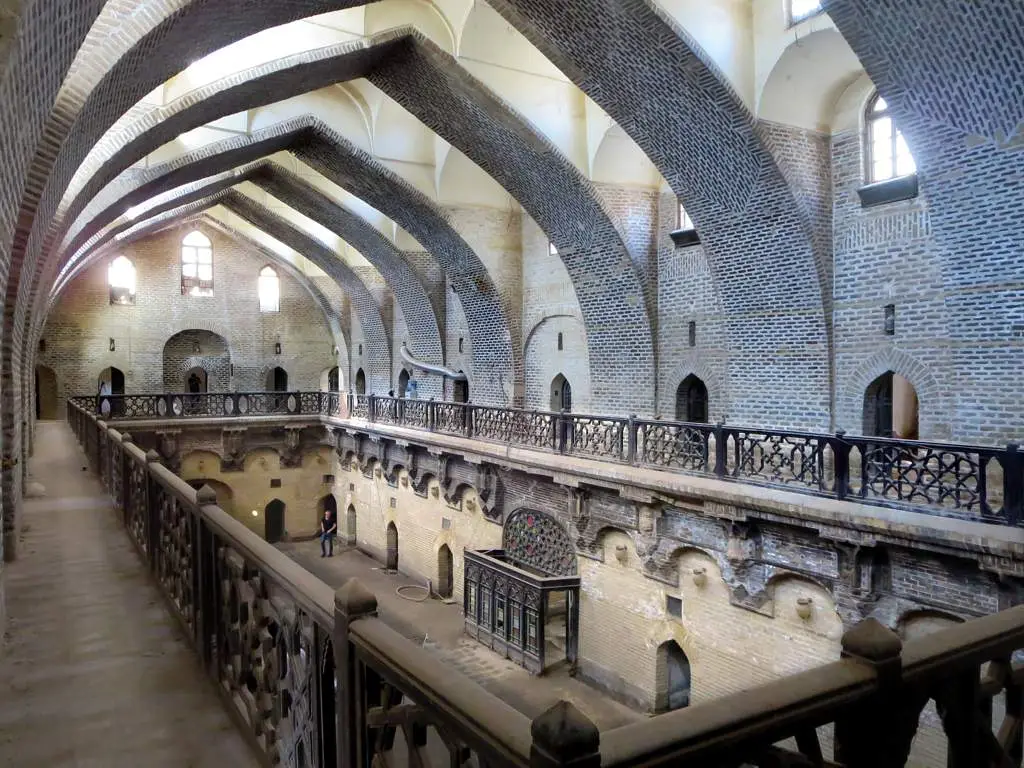
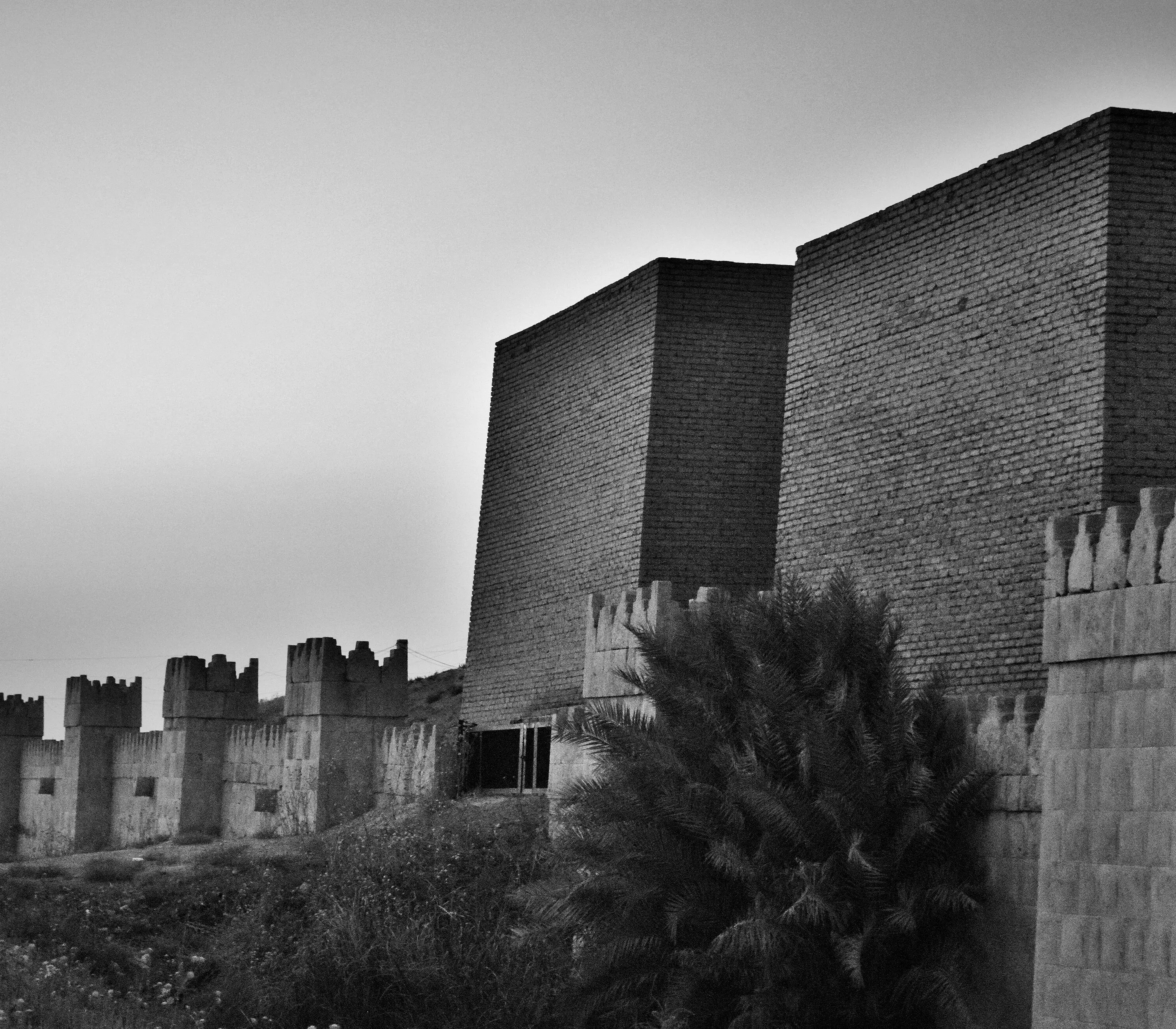
Explore by category
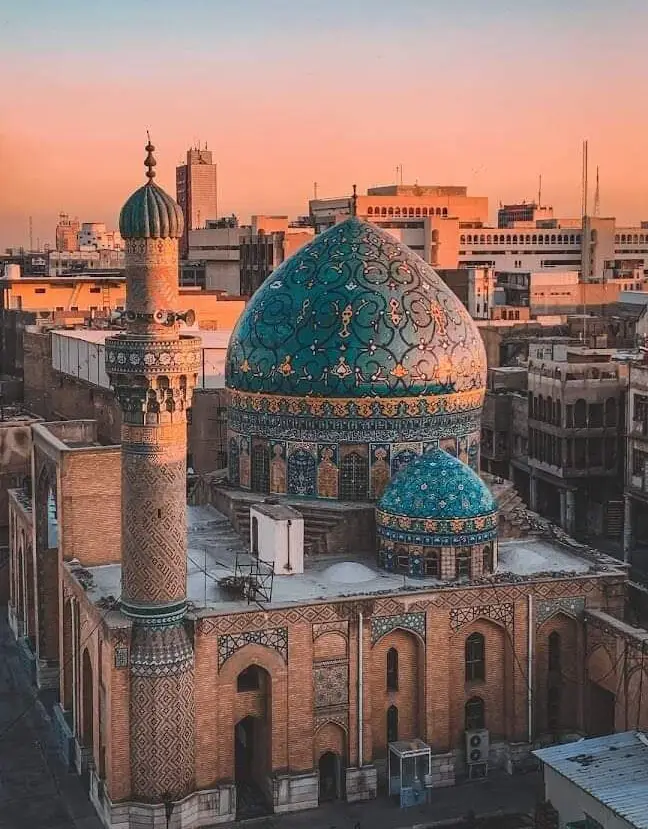


Getting there
Iraq is reached most easily by air. Baghdad International Airport (BGW) handles the broadest international network, while Erbil (EBL) serves the Kurdistan Region with strong links to Europe and the Gulf. Basra (BSR), Najaf (NJF), and Sulaymaniyah (ISU) round out the main gateways, the latter two heavily used by pilgrims and Kurdish diaspora travelers. Since 2021, Iraq has offered visa-on-arrival to citizens of roughly seventy to eighty countries at federal airports and land borders, with periodic adjustments to the eligible list. The Kurdistan Region operates its own visa policy at Erbil and Sulaymaniyah and is generally more open. Land crossings function with Turkey, Iran, Jordan, and Kuwait, though procedures vary and overland travelers should check current conditions before setting out.
Getting around
Domestic flights connect Baghdad with Basra, Erbil, Sulaymaniyah, and Najaf and are the fastest way to cover the country. Shared and private intercity taxis are the workhorse of overland travel, departing from designated garages in each city and reaching most major towns. Travel between Federal Iraq and the Kurdistan Region typically passes through internal checkpoints where passports are inspected and, for some nationalities, separate Kurdish entry stamps are issued. Self-driving is feasible for confident drivers but uncommon among visitors; hiring a car with a local driver is the more usual arrangement. Urban public transport is limited, with ride-hailing apps and metered or negotiated taxis filling the gap.
Safety
Security across most of Iraq has improved markedly since the territorial defeat of ISIS in 2017, and the major tourist circuits in the south and Kurdistan are now visited regularly by independent travelers. The southern shrine cities and the Kurdistan Region are generally considered the most settled, while parts of the western and disputed governorates warrant more caution and, in some cases, local guides or permits. Travelers should review their government's current advisory, register with their embassy where that service is offered, and confirm conditions close to their date of travel.