
Najaf
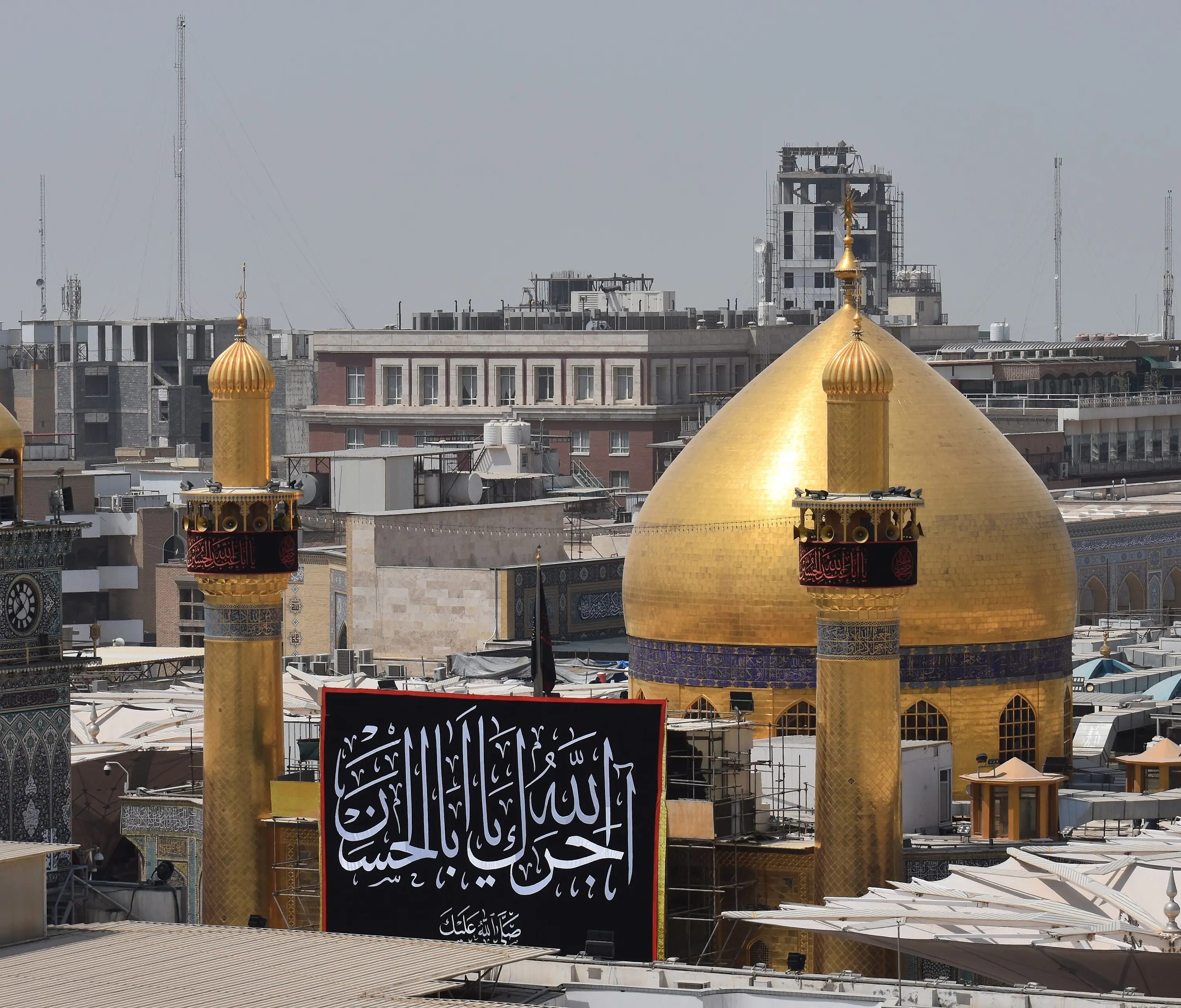
Shia Iraq's spiritual heart around the shrine of Imam Ali.
About Najaf
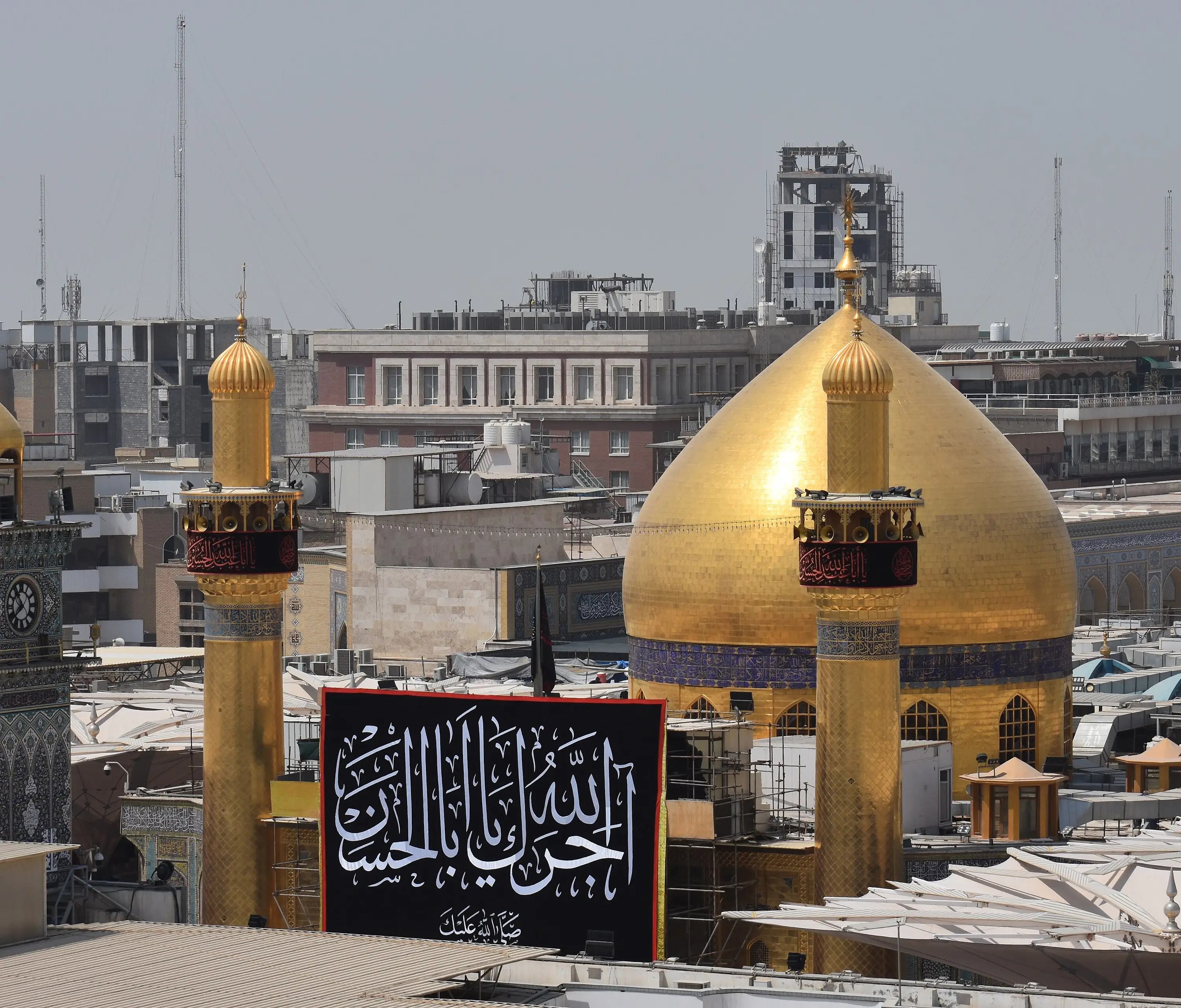
Najaf lies on the edge of the western desert about one hundred and sixty kilometers south of Baghdad, in a landscape that shifts from irrigated farmland and palm groves to open plains within a few kilometers of the city center. With a population of around one and a half million, it is one of the most important religious cities in the Shia Muslim world and a major destination for pilgrims throughout the year. At its heart stands the golden-domed shrine of Imam Ali ibn Abi Talib, cousin and son-in-law of the Prophet Muhammad and the first imam in Shia tradition, around which the old city's streets, hospices, and seminaries radiate. Najaf is also home to the Hawza, one of the oldest and most influential centers of Shia learning, where students from across the world spend years studying jurisprudence and theology. Just outside the city lies the vast Wadi al-Salaam cemetery, often described as one of the largest continuously used burial grounds in the world. Visitors come for the shrine, the spiritual atmosphere, the bazaars, and excursions to nearby Kufa and the ancient city of al-Hira.
Najaf through history
Najaf grew up around the burial place of Imam Ali, whose remains, according to Shia tradition, were brought here after his assassination in nearby Kufa in 661 CE. A modest settlement formed around the site, and in 791 CE the Abbasid Caliph Harun al-Rashid is traditionally said to have built the first formal shrine and walled enclosure. From the tenth and eleventh centuries onward, Najaf became a center of Shia scholarship under figures such as Shaykh al-Tusi, and the Hawza tradition gradually emerged as a globally influential institution. Through the Buyid, Seljuk, Ilkhanid, Safavid, and Ottoman eras, the shrine was repeatedly expanded, gilded, and rebuilt. In modern times Najaf has remained a major spiritual and intellectual center, with its senior clerics playing significant roles in Iraq's political and social life.
- 1,400,000
- 791
When to visit
The most comfortable months to visit Najaf run from October through April, when temperatures are mild and walking through the shrine area and surrounding bazaars is pleasant at most hours. The city is especially busy during the major Shia religious commemorations, particularly Ashura in the month of Muharram and the Arbaeen pilgrimage forty days later, when millions of pilgrims arrive from across Iraq and beyond. Summer is intensely hot, often above 45 degrees Celsius, and most pilgrims and visitors plan their trips around the cooler half of the year or the religious calendar.
Top places in Najaf

What to eat in Najaf
Najaf's cuisine is shaped by both pilgrimage traditions and the broader food culture of central and southern Iraq. Slow-cooked stews of lamb, okra, eggplant, and tomato, often served with saffron rice, are typical, alongside the hearty wheat-and-meat porridge called harees, particularly during religious occasions. Kababs and grilled meats are widely available around the shrine area, and pilgrim hospices serve large communal meals during Ashura and Arbaeen. The city is also known for its sweets, including dense date pastries, baklava-style layered desserts, and traditional drinks of qamar al-din and rosewater-flavored sharbat.
Getting there
Najaf International Airport (NJF) lies about twenty kilometers from the city and is served by flights from across the Middle East and South Asia, with particularly heavy traffic from Iran and the Gulf during pilgrimage seasons. Domestic flights connect Najaf with Baghdad and Erbil. Overland, shared taxis and private cars link Najaf with Baghdad in two and a half to three hours, with Karbala in around one hour, with Basra in four to five hours, and with the southern shrine cities and the marshes by way of well-traveled highways.
Getting around
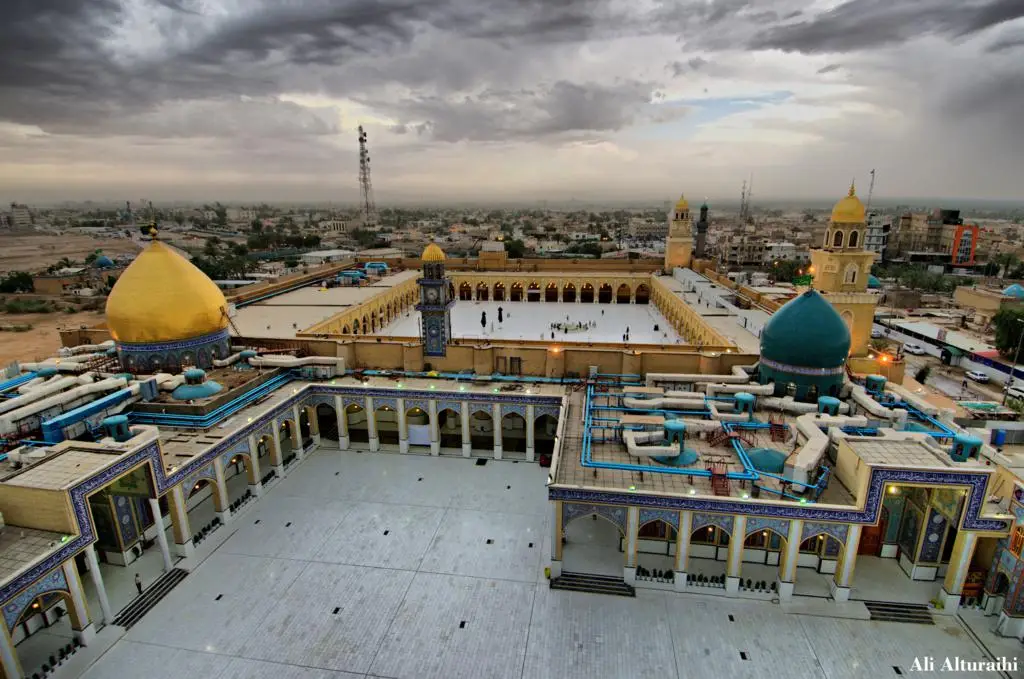
The historic core around the shrine and Wadi al-Salaam is best explored on foot, though distances can be long in summer heat. Taxis and tuk-tuks are abundant throughout the city, with fares generally negotiated rather than metered. Ride-hailing apps work in some central areas. Pilgrim routes connecting Najaf and Karbala are well used by foot pilgrims during Arbaeen and are lined with mawkib service stations offering food, water, and rest. Excursions to nearby Kufa, with its historic mosque and Imam Ali's house, and to the ruins of al-Hira are easily arranged with local drivers.
Money & payments
Najaf runs on cash and is unusual for the visible presence of Iranian rial alongside IQD and USD, driven by the constant pilgrim flow to the Imam Ali Shrine. Moneychangers cluster on the streets ringing the shrine and offer competitive rates for rial, dollar, and dinar; rates can beat Baghdad on Iranian currency. ATMs exist at larger hotels but are unreliable, so arrive with cash. Hotels around the haram accept USD and IQD; some mid-tier ones take cards. Restaurants, taxis, and the souk are cash only. The shrine itself is free to enter, with no foreigner pricing.
Safety
Najaf welcomes large numbers of pilgrims year-round and is generally considered one of the more settled cities in Iraq for visitors. Crowds around the shrine and during the major commemorations can be very dense, and standard precautions about pickpocketing and heat exhaustion are advisable. Visitors should dress modestly in keeping with the religious character of the city, particularly women, and follow guidance at the shrine on photography and the treatment of sacred spaces.