
Sulaymaniyah
Kurdistan's cultural capital, framed by mountains and open ideas.
About Sulaymaniyah
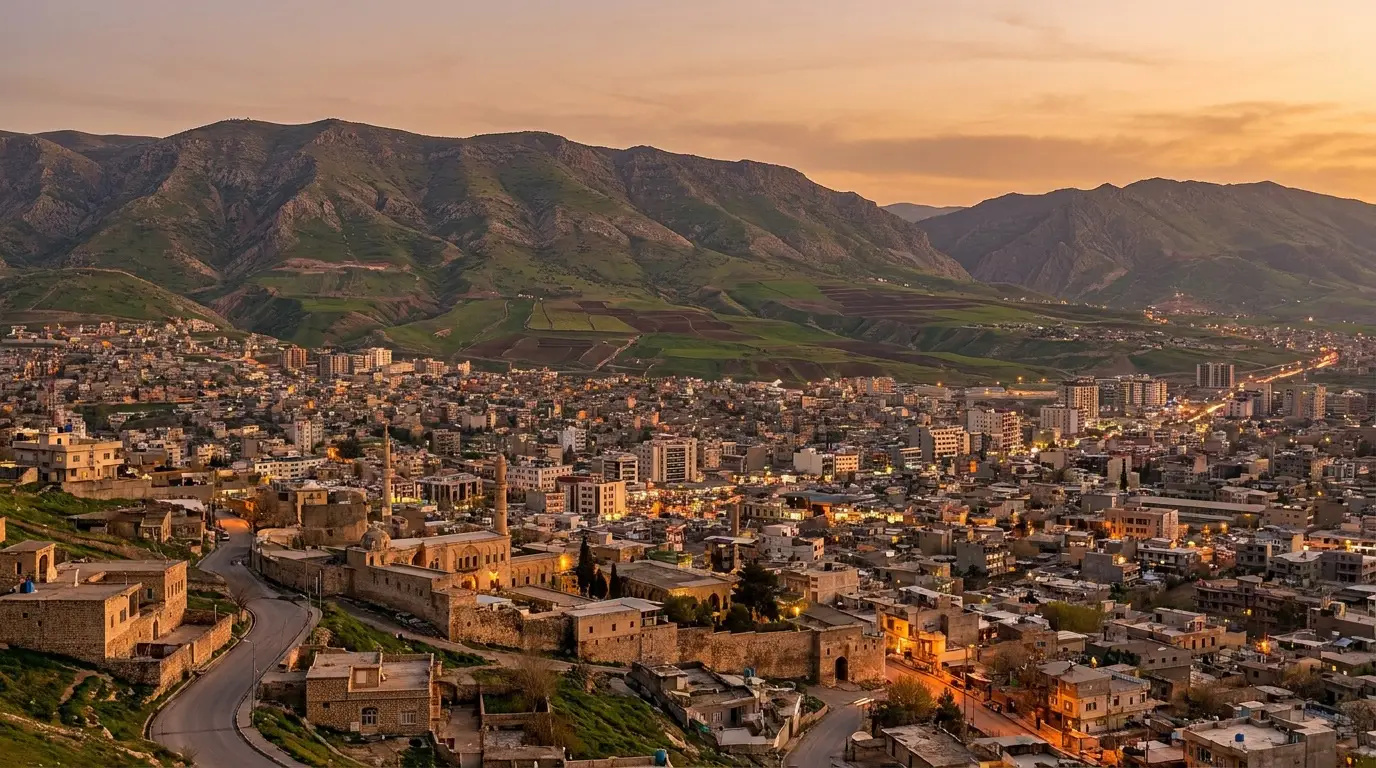
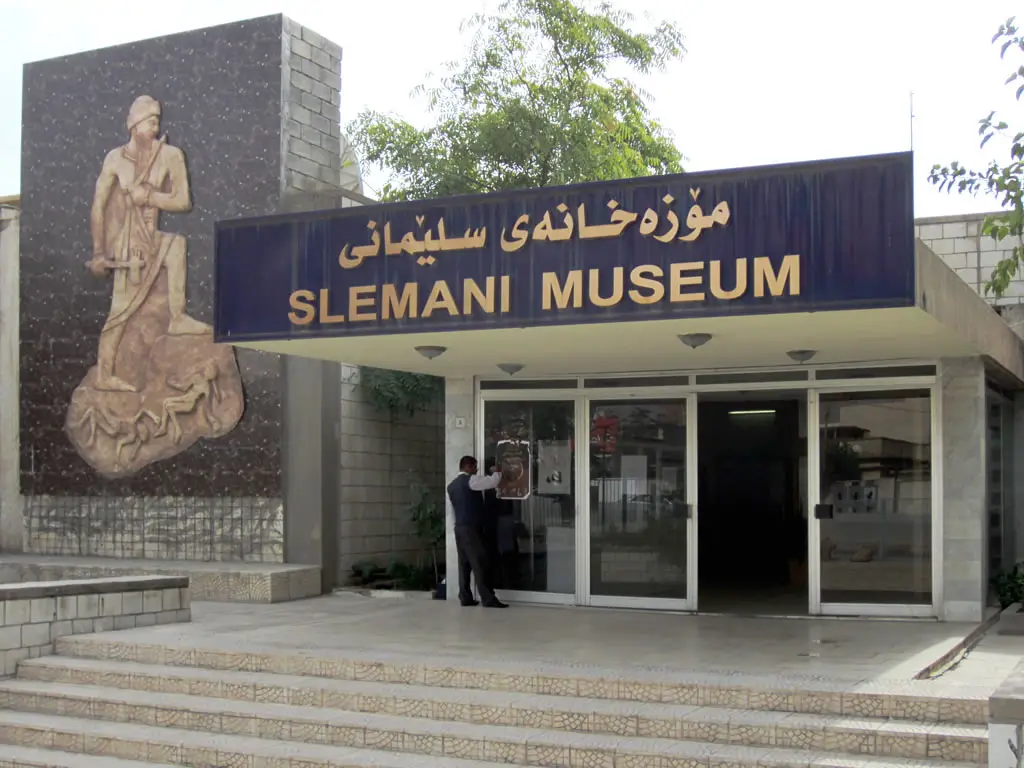
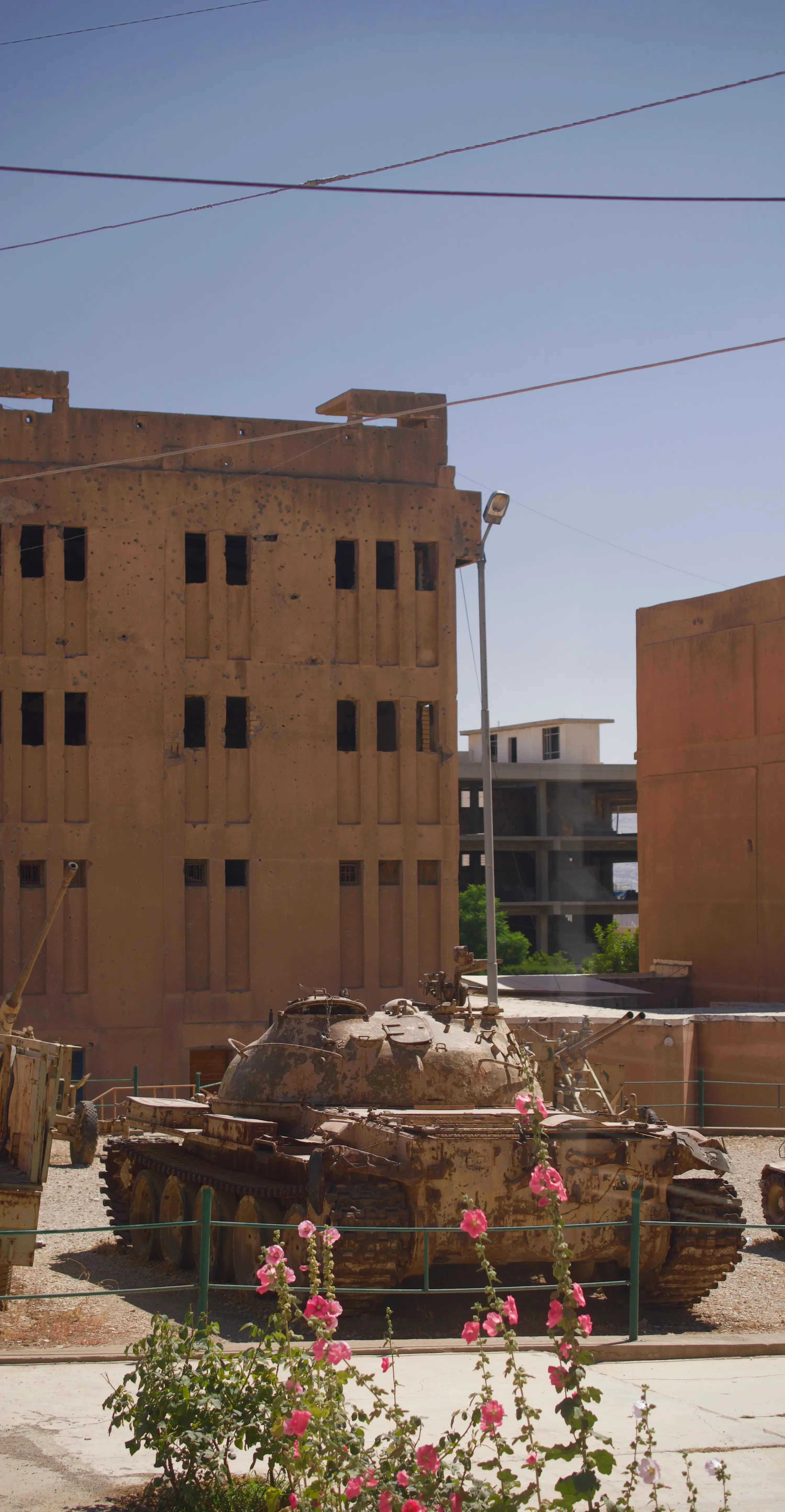
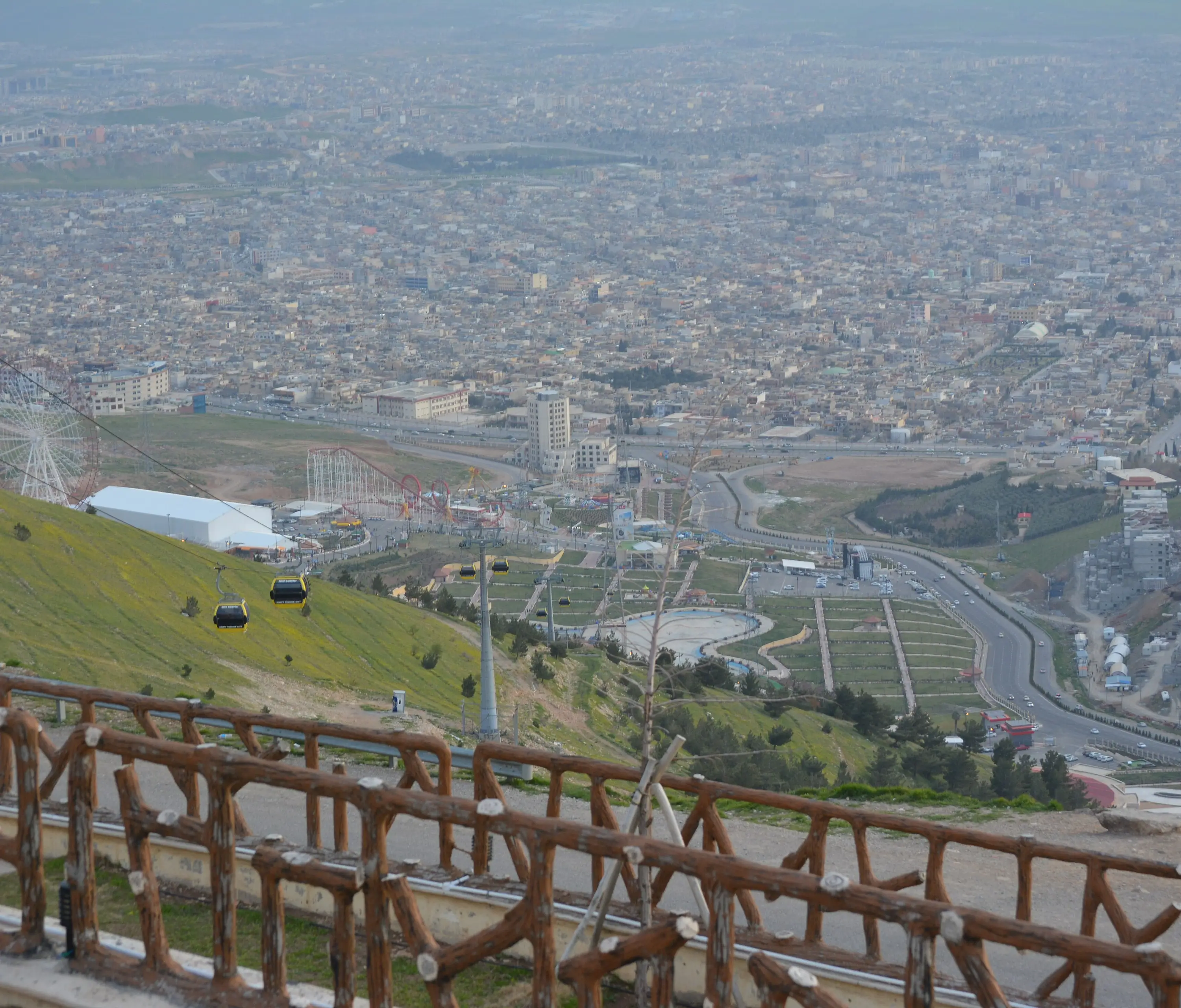
Sulaymaniyah, known in Kurdish as Slemani, lies in a broad valley among the foothills of the Zagros Mountains in northeastern Iraq, about three hundred kilometers north of Baghdad. The city of roughly seven hundred thousand serves as the cultural and intellectual capital of the Kurdistan Region, with a long tradition of poetry, publishing, music, and political debate that has earned it a notably open and liberal reputation. Streets are lined with cafes, bookshops, and galleries, and the climate is markedly cooler than the southern plains thanks to its elevation of around eight hundred meters. Visitors come for its mountain surroundings, its excellent museums, and a relaxed urban atmosphere that contrasts with the denser hum of Baghdad. The Slemani Museum holds the second most important archaeological collection in Iraq after the Iraq Museum, with Sumerian, Assyrian, and Islamic-era artifacts displayed in a calm, well-curated setting. The former secret police compound of Amna Suraka, now the Red Security Museum, offers a sobering account of the Anfal campaign and the Kurdish struggle. Beyond the city, the lakes of Dukan and Darbandikhan and the alpine landscapes around Ahmed Awa and Hawraman draw weekend travelers throughout the warmer months.
Sulaymaniyah through history
Sulaymaniyah was founded in 1784 by the Kurdish prince Ibrahim Pasha Baban as the capital of the semi-autonomous Baban emirate, named in honor of his father Sulaiman. From its earliest decades it became a magnet for Kurdish scholars, poets, and clerics, and it produced many of the foundational figures of modern Kurdish literature, including Nali, Mahwi, and later Piramerd. Under the Ottomans and then the British Mandate, the city was a center of repeated Kurdish uprisings, notably under Sheikh Mahmud Barzanji in the 1920s. In the late twentieth century it suffered grievously during the Anfal campaign and the 1991 uprising and its aftermath, before becoming, after 1991, one of the two administrative centers of the Kurdistan Region. Its cultural confidence and tradition of political plurality have shaped its present-day identity as the more bohemian sibling of Erbil.
- 700,000
- 1784
When to visit
Sulaymaniyah is comfortable for most of the year thanks to its elevation. Spring, from March to May, is particularly lovely, with green hillsides, wildflowers, and pleasant evenings. Autumn, from late September through November, brings crisp air and golden light over the surrounding mountains. Summers are warm but generally drier and several degrees cooler than Baghdad or Basra, and winter can bring snow and sub-zero nights, which appeals to travelers seeking ski outings around Pira Magroon. The Slemani Forum and various film and music festivals enliven the cultural calendar.
Top places in Sulaymaniyah
What to eat in Sulaymaniyah
Sulaymaniyah's cuisine reflects both broader Kurdish traditions and Persian influences from across the nearby border. Signature dishes include kibbeh shwandar, dolma in a tangy tomato and pomegranate broth, kubba Hamuth, and the slow-cooked lamb and rice known as biryani Slemani. Street snacks of sambusas, lahmacun, and grilled trout from highland streams are widely loved. The city's tea house culture is central to daily life, and a visit to Shaab tea house or one of the older establishments around the bazaar is an essential stop for travelers wanting a feel for local rhythms.
Getting there
Sulaymaniyah International Airport (ISU) sits about fifteen kilometers from the city and is served by carriers from across the Middle East and Europe. Overland, shared taxis and private cars link Sulaymaniyah with Erbil in three to four hours, Kirkuk in roughly two hours, and Baghdad in six to seven hours, traffic and checkpoints permitting. Travelers from outside Kurdistan typically transit via Erbil or Baghdad and complete the journey by road.
Getting around
The city center is fairly compact and easy to explore on foot, particularly around Salim Street, the bazaar, and the parks that ring Azadi Park. Taxis are cheap and abundant, and ride-hailing apps operate reliably in the central districts. For excursions to the surrounding lakes, mountains, and historical sites such as Sharazoor and the Hawraman valleys, hiring a car with a driver for the day is the simplest option and allows time for tea stops at scenic viewpoints. Roads in the Kurdistan Region are generally well maintained, and signage in Kurdish, Arabic, and English is more common than further south.
Money & payments
Sulaymaniyah, like Erbil, benefits from KRG banking and is comparatively card-friendly. Foreign Visa and Mastercard work at most Byblos, Cihan, and RT Bank ATMs in the city center and at Sulaymaniyah International Airport, and mid-range and upper hotels around Salim Street and Sarchnar accept cards with a small surcharge. USD and IQD both circulate; Iranian rial appears occasionally at the bazaar given the Penjwen border trade. Exchange in the central bazaar (Bazaar-i Suli) for fair rates. Carry cash for the Amna Suraka museum area cafes, mountain day trips to Dukan and Ahmed Awa, and shared taxis.
Safety
Sulaymaniyah is considered one of the safest cities in Iraq and is regularly visited by independent travelers, including solo women. Standard urban precautions apply, particularly around late-night travel and unfamiliar mountain roads. Visitors planning excursions close to the Iranian border should check current conditions, as occasional cross-border incidents have been reported in remote areas.