
Karbala
Sacred city of Imam Hussein and the world's largest pilgrimages.
About Karbala
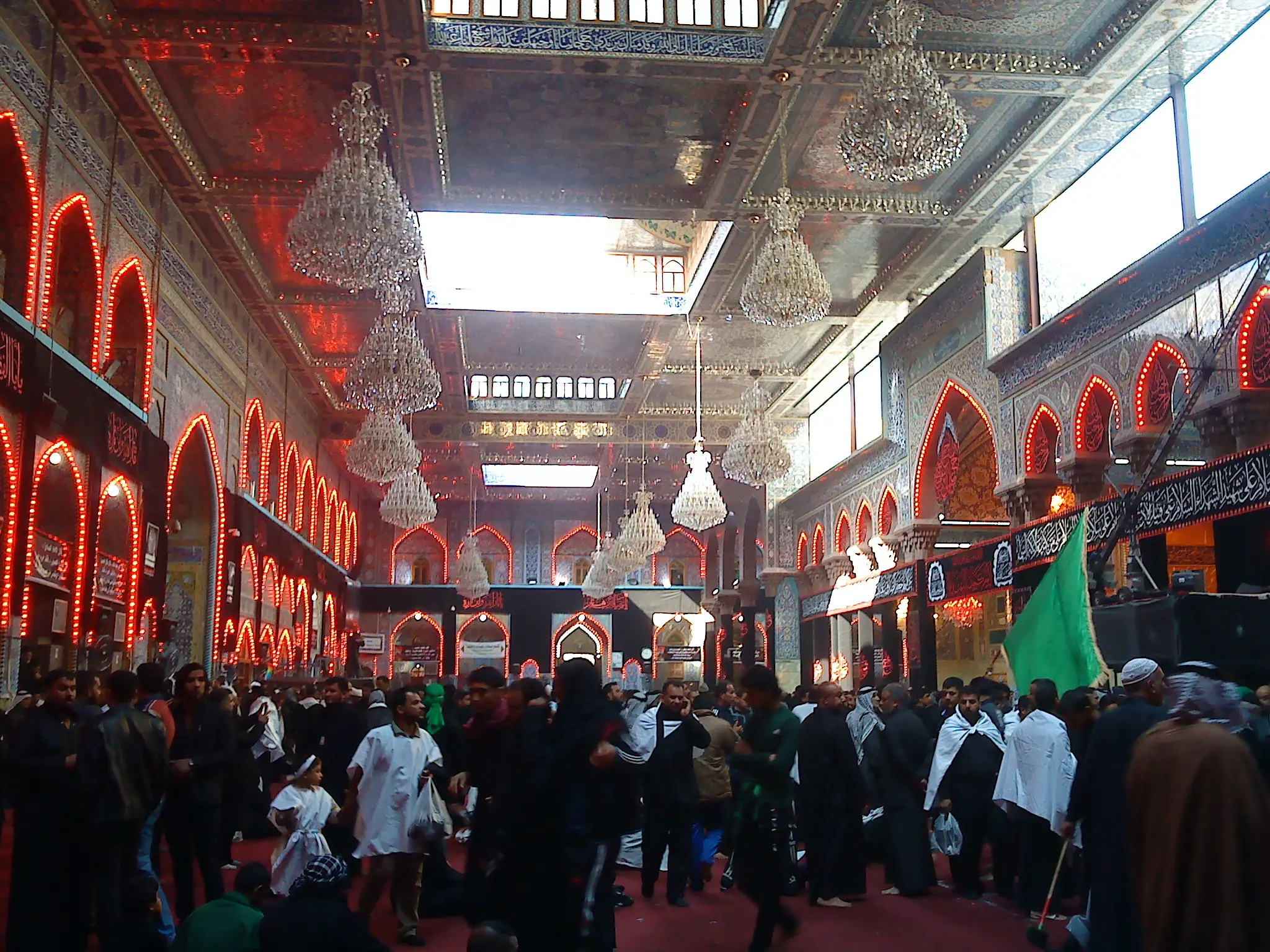
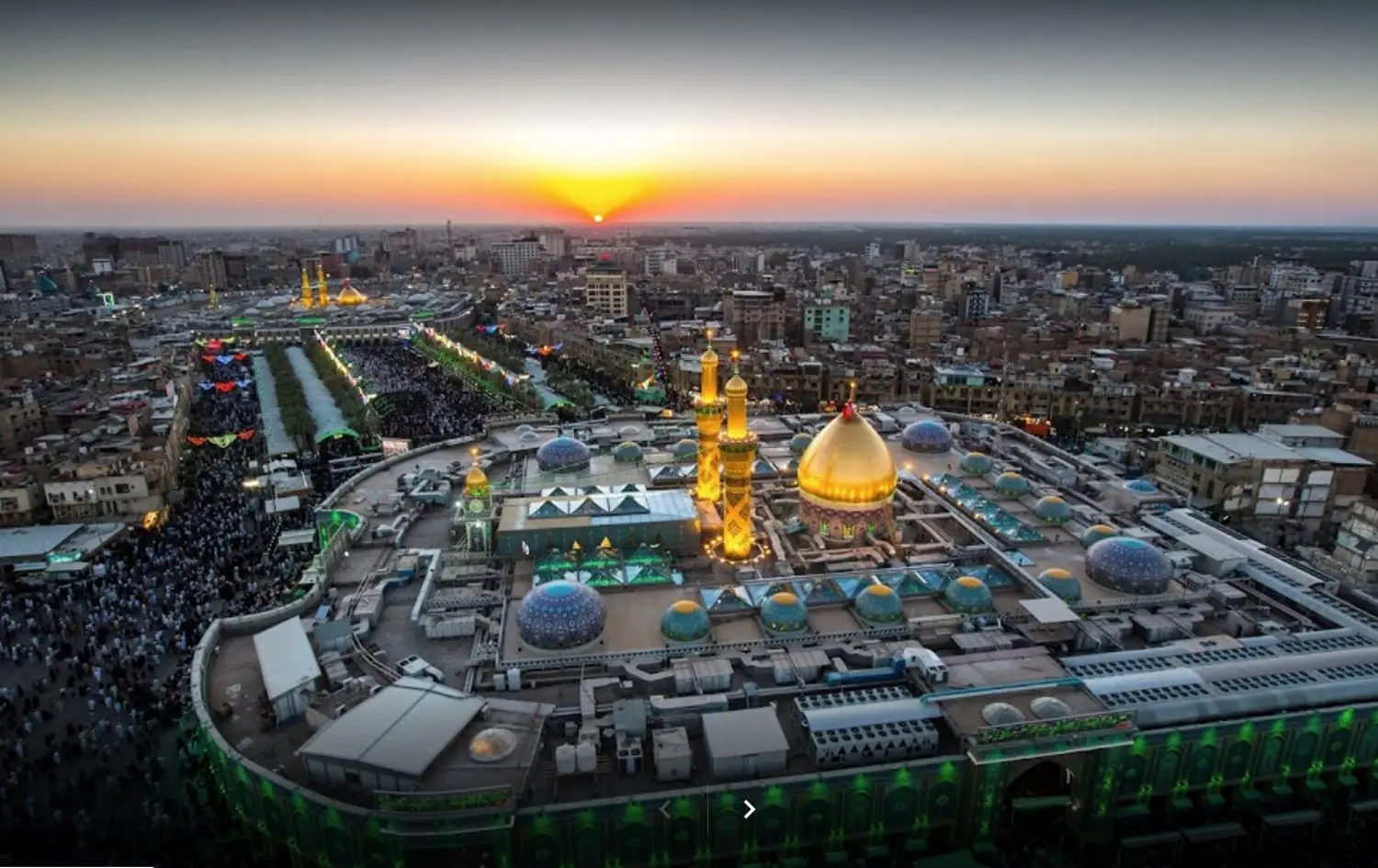
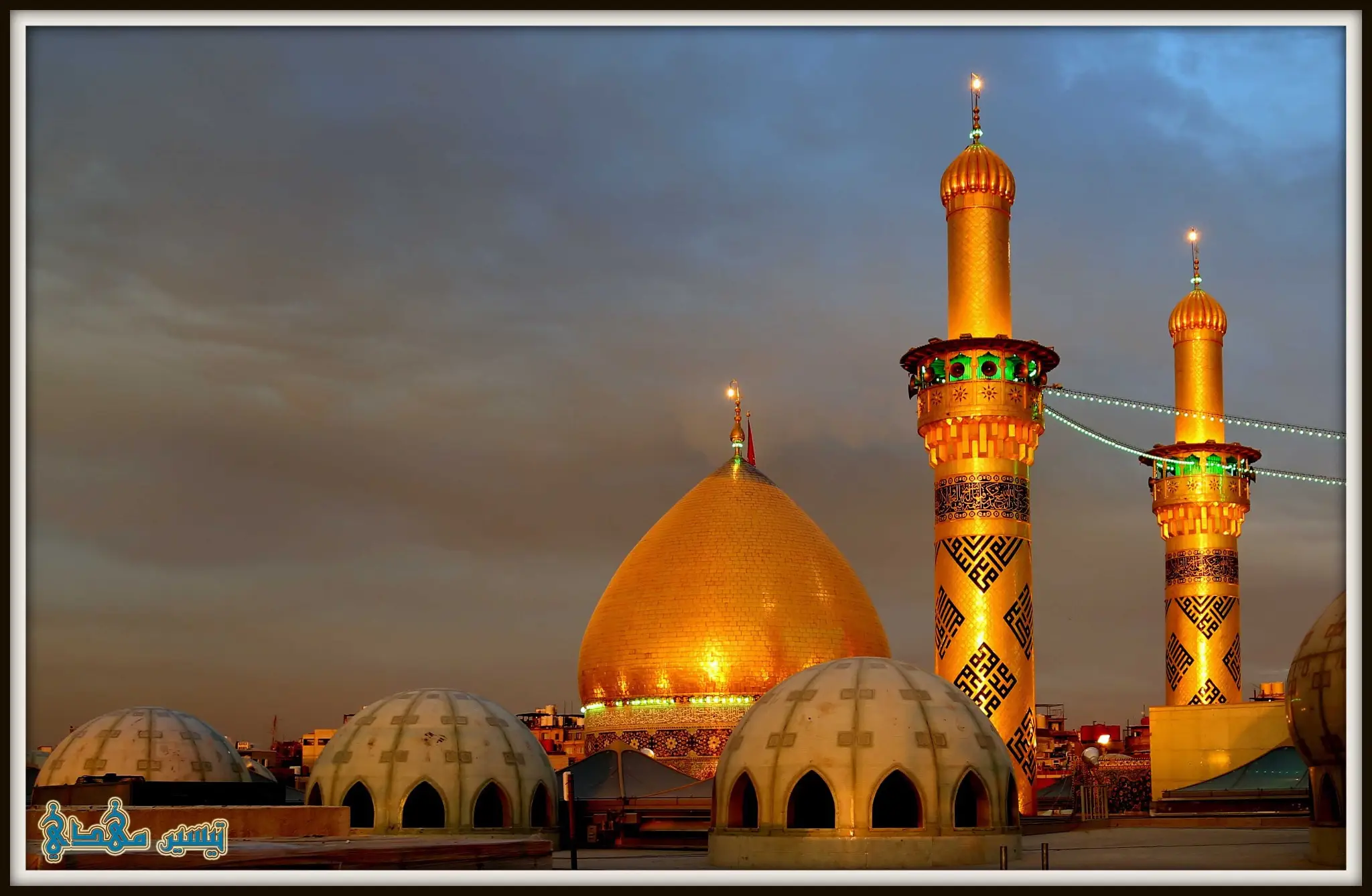
Karbala lies about one hundred kilometers southwest of Baghdad, set on a plain between the Euphrates and the western desert. With a population of around seven hundred thousand, the city is one of the most important religious centers in the Shia Muslim world and a destination of vast annual pilgrimages. At its core stand the gold-domed shrines of Imam Hussein, grandson of the Prophet Muhammad, and of his half-brother al-Abbas, set on either side of the wide ceremonial avenue known as Bayn al-Haramayn that runs between them. Around the shrines spreads a dense web of hospices, seminaries, hotels, and bazaars geared to serve a steady flow of pilgrims from Iraq, Iran, the Gulf, South Asia, and beyond. Outside the religious core, the city extends into modern districts of housing, schools, and commerce, while groves of date palms and orchards stretch along the canals that lead toward the Euphrates. Travelers come for the shrines, for the powerful atmosphere during the major commemorations, and for excursions to nearby Najaf and the ancient city of Babylon to the east.
Karbala through history
The land around Karbala holds great significance in Shia tradition as the site of the Battle of Karbala in 680 CE, in which Imam Hussein ibn Ali and a small band of companions were killed by the army of the Umayyad caliph Yazid I. The events of that battle, commemorated annually during Ashura, have shaped Shia religious identity for more than thirteen centuries. A small settlement grew up around the burial place of Imam Hussein, and from the late seventh century onward shrines were built, repeatedly destroyed, and rebuilt by successive dynasties, including the Buyids, Seljuks, Ilkhanids, Safavids, and Ottomans. Karbala became one of the principal centers of Shia learning and pilgrimage and, from the nineteenth century, an increasingly cosmopolitan city as transport links improved. Recent decades have brought further development of the shrine complexes and the surrounding pilgrimage infrastructure.
- 700,000
- 690
When to visit
Karbala is most pleasant from October through April, when temperatures are mild and visits to the shrines and bazaars are comfortable throughout the day. The Shia religious calendar dominates the year, and the most powerful times to witness the city's spiritual life are during Ashura in the month of Muharram and especially the Arbaeen pilgrimage forty days later, when many millions of pilgrims converge on Karbala on foot from Najaf and other Iraqi cities, in what is widely described as one of the largest peacetime gatherings in the world. Visitors planning around these dates should expect very dense crowds and arrange accommodation well in advance.
Top places in Karbala
What to eat in Karbala
Karbala's food traditions are shaped by pilgrimage and hospitality. Hearty rice and meat dishes, particularly tashreeb with broth-soaked bread, qeema in a rich tomato and chickpea sauce, and harees prepared in large communal pots, are served throughout the city, with vast free meals offered to pilgrims during Ashura and Arbaeen at mawkib service stations. Grilled kababs, kubba, and stuffed vegetables are widely available in the bazaars around the shrines. Sweet pastries, dates, and saffron-scented rice puddings are popular, and tea served in small glasses with cardamom and rosewater accompanies almost every encounter.
Getting there
Karbala does not have its own commercial airport. Most international visitors and pilgrims fly into Najaf International Airport (NJF), about eighty kilometers to the south, or into Baghdad International Airport (BGW), about one hundred kilometers to the northeast, and continue by road. Shared and private taxis link Karbala with Najaf in around an hour and with Baghdad in two to three hours, traffic and pilgrimage volumes permitting.
Getting around
The area around the shrines is best explored on foot, with vehicles excluded from large pedestrian zones close to the holy sites. Tuk-tuks, local taxis, and ride-hailing apps work for journeys between the city center and outlying districts, and fares are generally inexpensive. During the major pilgrimages, the streets around the shrines are reorganized into one-way pedestrian flows, and visitors should expect to walk significant distances. Trips to Babylon, an hour to the east, and to Najaf are easily arranged with local drivers familiar with the routes and checkpoints.
Money & payments
Karbala mirrors Najaf as a pilgrim economy: dinar, dollars, and Iranian rial all change hands openly, especially during Arbaeen and Ashura when the city absorbs millions of visitors. Moneychangers around the Imam Hussein and Abbas shrine complexes give workable rates on rial and clean USD. Foreign-card ATMs are scarce and frequently empty during peak pilgrim seasons; do not count on them. Pilgrim hotels quote in USD or IQD and almost all want cash; only larger four-star properties reliably take cards. The shrines, processional routes, and most religious services are free. Budget for cash tipping of shrine guides and hotel staff.
Safety
Karbala receives large numbers of international pilgrims year-round and is generally considered one of the more settled cities in Iraq for visitors. The greatest practical risks are linked to dense crowds during Ashura and Arbaeen, when heat, fatigue, and pickpocketing call for sensible precautions. Visitors should dress modestly in keeping with the city's religious character, particularly women, and follow guidance at the shrines on photography and conduct in sacred spaces. Current advisories should be reviewed before travel.