
Baghdad
Storied capital on the Tigris, once the world's intellectual heart.
About Baghdad
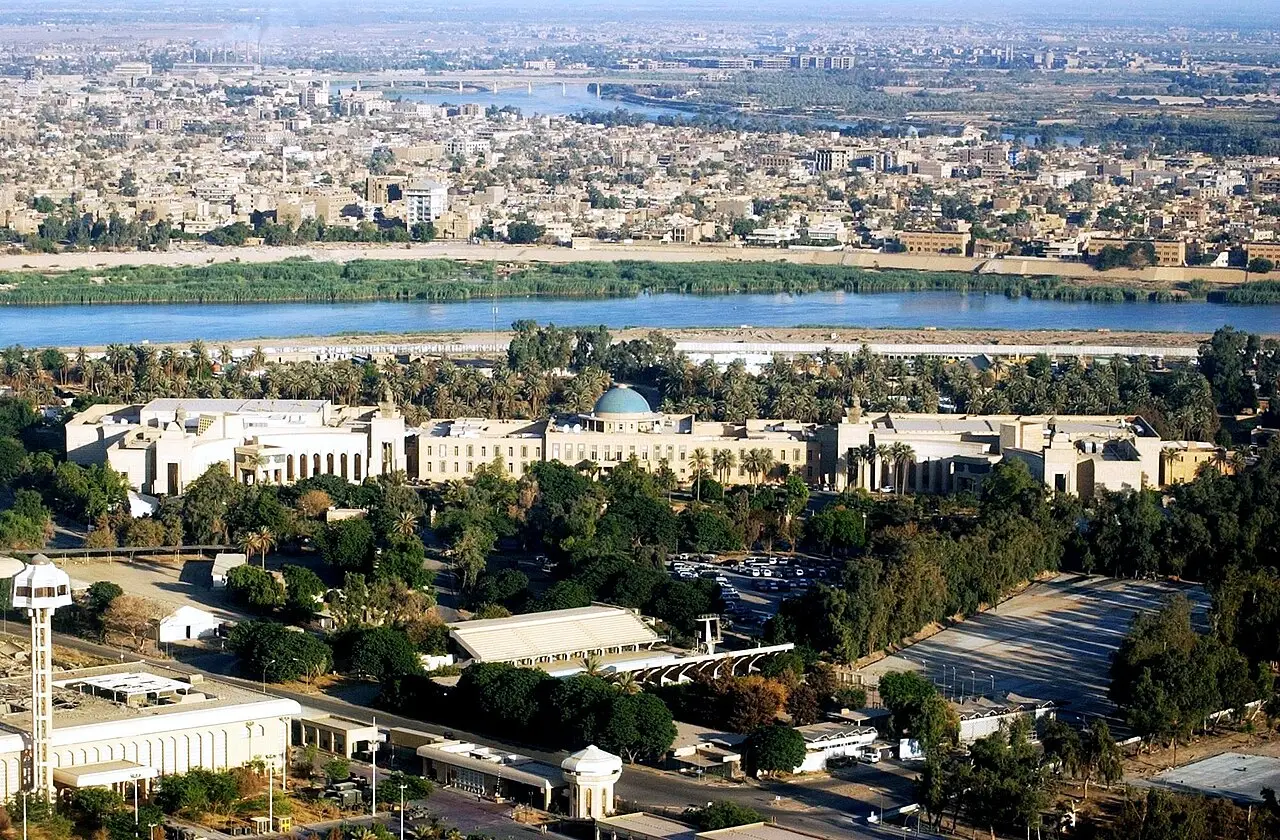
Baghdad sits on the banks of the Tigris in central Iraq, a sprawling capital of roughly seven million people that has long served as the country's political, commercial, and cultural anchor. The river divides the city into Rusafa on the east bank, home to the old commercial core and the bookselling district of Mutanabbi Street, and Karkh on the west, where many government quarters and the Green Zone are located. Beyond the official buildings, Baghdad is a city of dense neighborhoods, busy markets, palm-lined corniches, and tea houses where backgammon and conversation extend late into the evening. Travelers come for its layered history, its museums, and the slow re-emergence of cultural life that has followed years of conflict. The Iraq Museum holds one of the world's most important collections of Mesopotamian antiquities, while the Abbasid-era Mustansiriya Madrasa, the Ottoman Qishla, and the Baghdadi Museum offer glimpses of successive eras. Friday mornings on Mutanabbi Street, when the booksellers spill onto the pavement and live music drifts from Qishla courtyard, are widely regarded as the most rewarding moment to feel the city's contemporary pulse.
Baghdad through history
Baghdad was founded in 762 CE by the Abbasid Caliph al-Mansur as a planned round city on the Tigris, conceived as the new capital of an empire that stretched from North Africa to Central Asia. Within a century, it had become the largest city in the world and the seat of a golden age in which the House of Wisdom translated Greek, Persian, and Indian scholarship into Arabic, scholars such as al-Khwarizmi laid foundations of algebra, and poets, physicians, and astronomers shaped fields that would echo across later civilizations. The Mongol sack of 1258 ended that ascendancy, after which the city passed through Ilkhanid, Jalayirid, Safavid, and Ottoman rule before becoming the capital of the modern Iraqi state in the twentieth century. The latter half of that century brought wars, sanctions, and the upheavals that followed 2003, all of which have left visible imprints alongside the city's older monuments.
- 7,000,000
- 762
When to visit
Baghdad is most pleasant from late October through April, when daytime highs are mild and evenings cool enough to linger along the riverside. Spring brings warm afternoons and the scent of citrus blossom in older neighborhoods. Summer, from June through September, is fiercely hot, regularly above 45 degrees Celsius, and best avoided by those uncomfortable with extreme heat. The Baghdad International Book Fair, usually held in late winter, and Friday cultural gatherings on Mutanabbi Street are highlights for visitors who time their trip around the city's literary calendar.
Itineraries in Baghdad

Top places in Baghdad
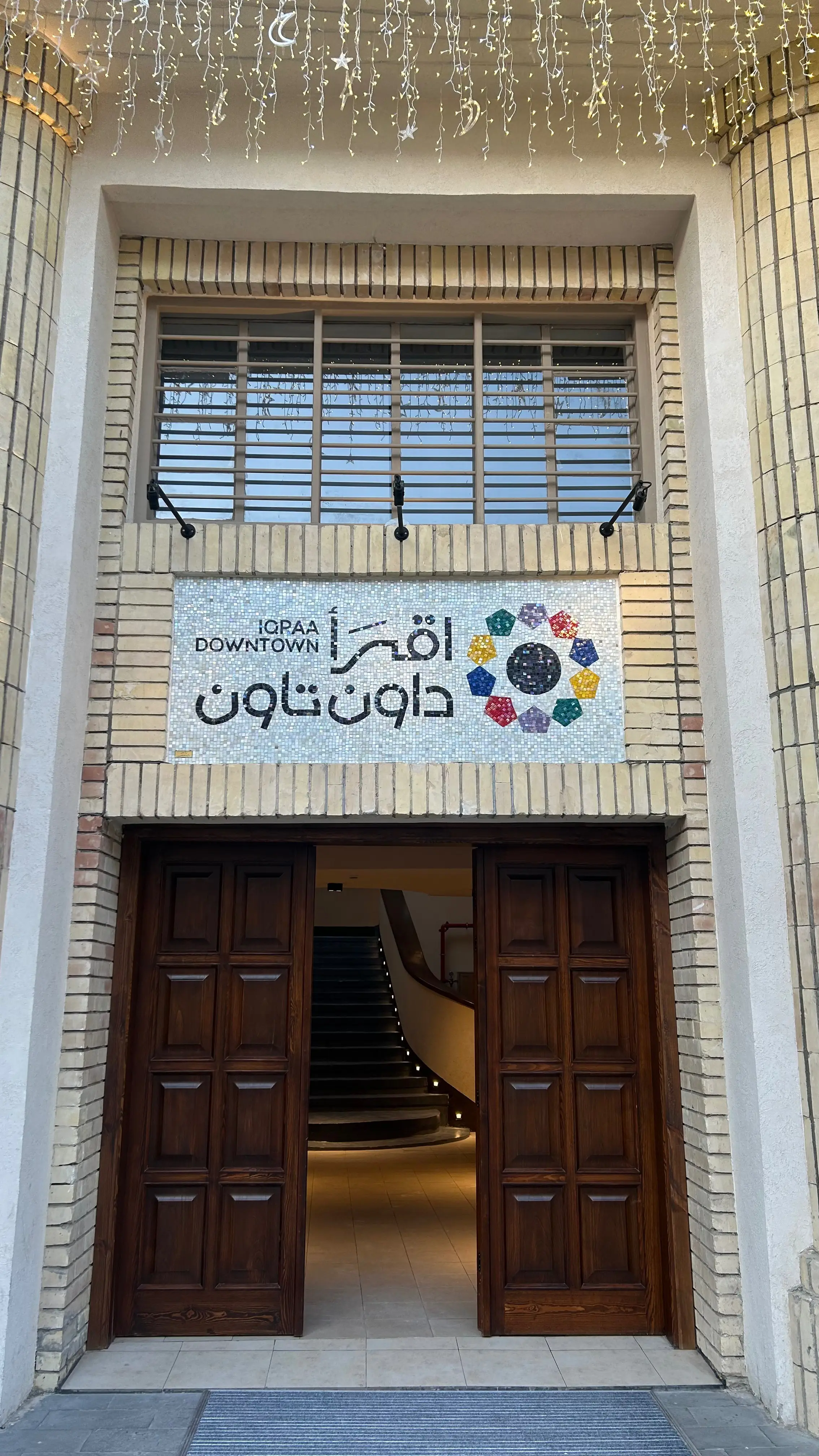
Iqraa Downtown
Entertainment · Baghdad
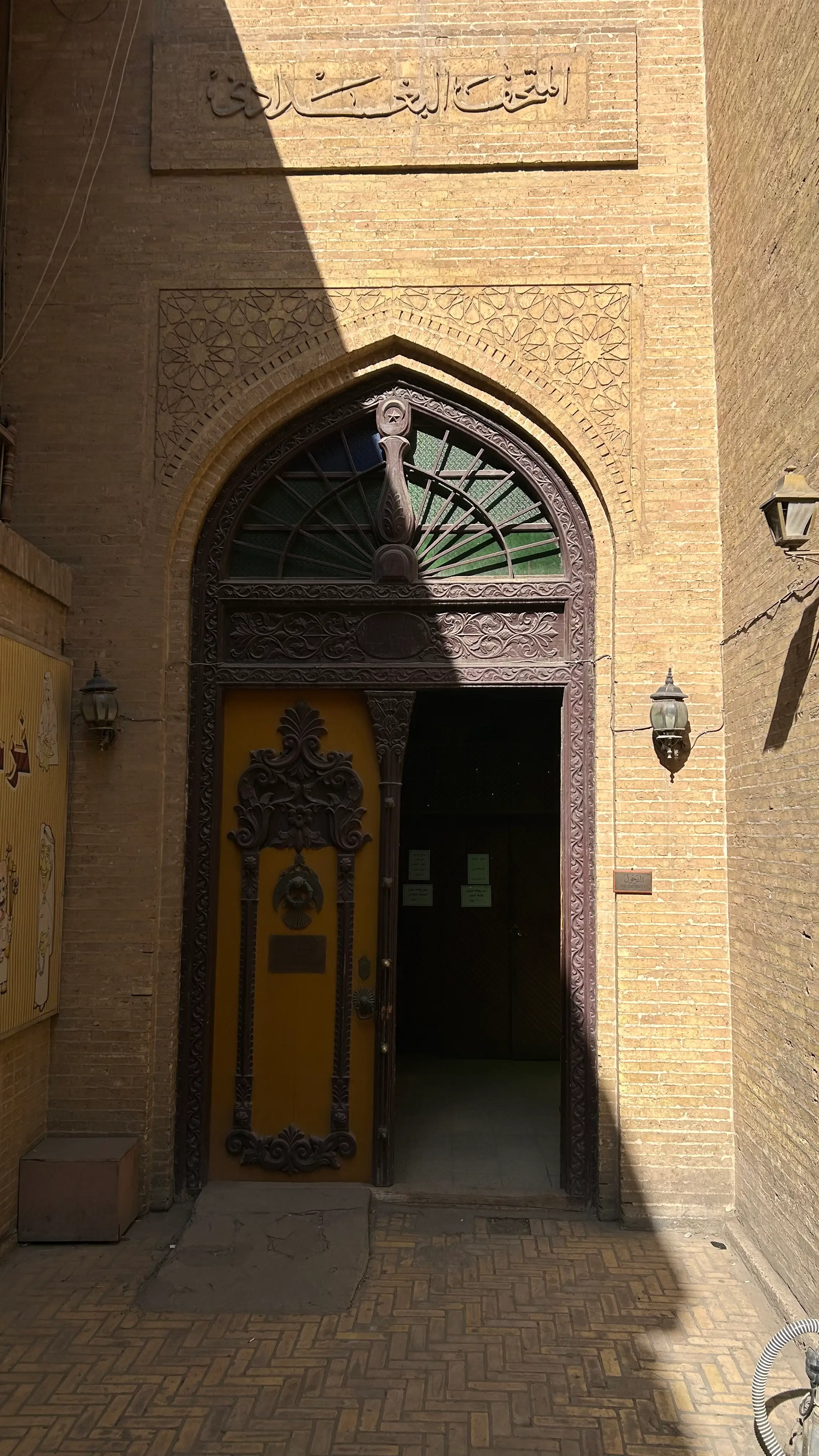
Baghdadi Heritage Museum
Cultural · Baghdad

Sayidat Al Najat Cathedral
Religious · Baghdad
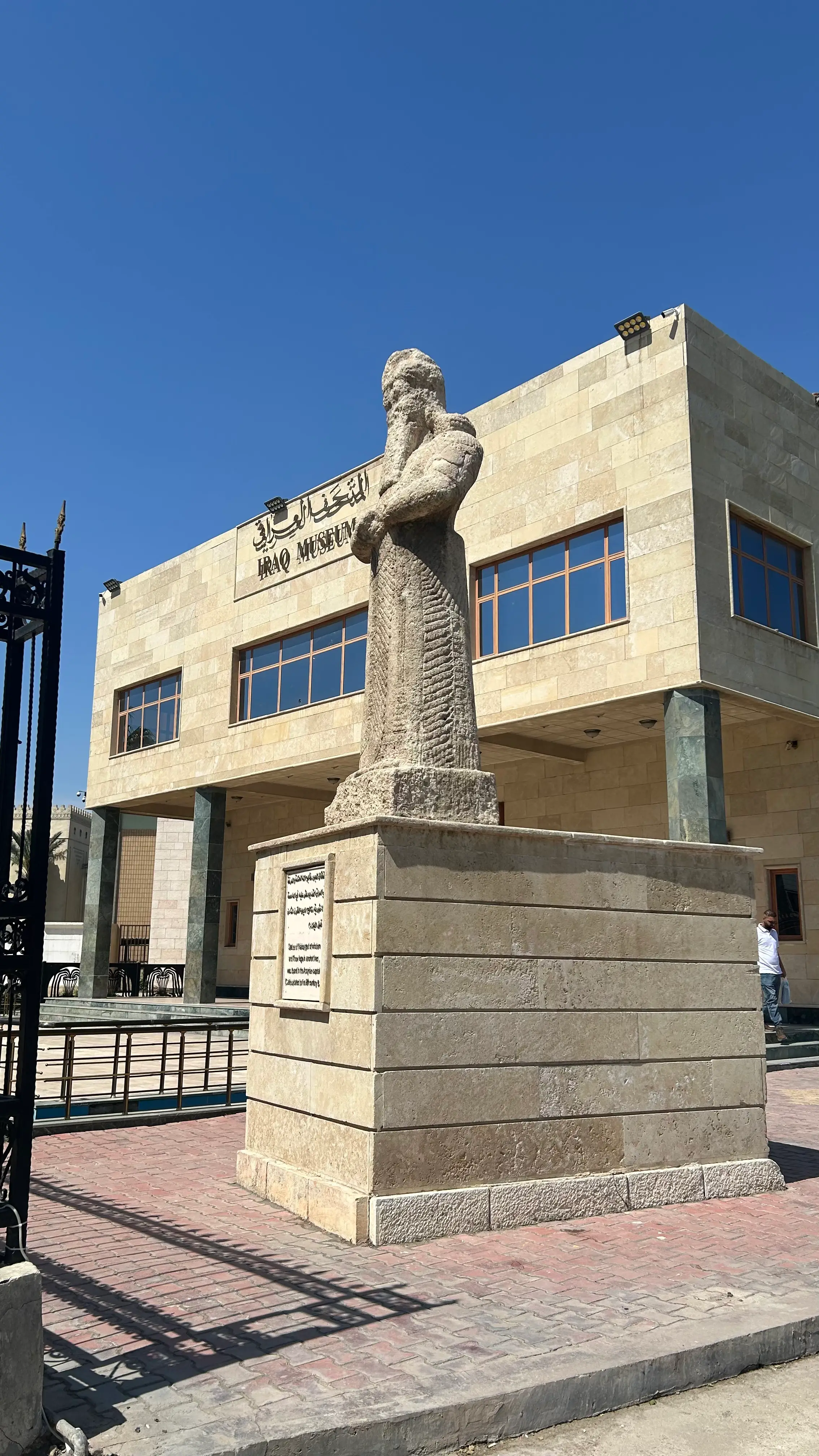
Iraqi National Museum
Historical · Baghdad
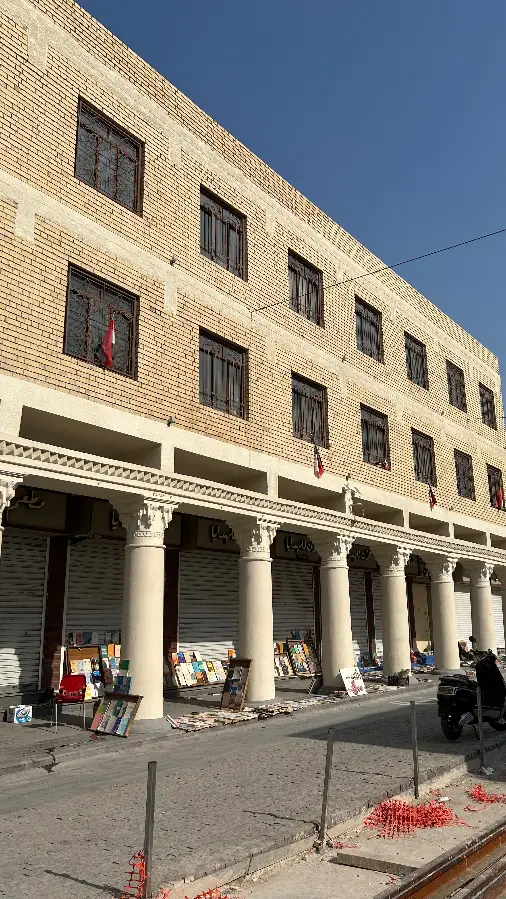
Al Rasheed Street
Historical · Baghdad

The Holy Kadhimiyah Shrine
Religious · Baghdad
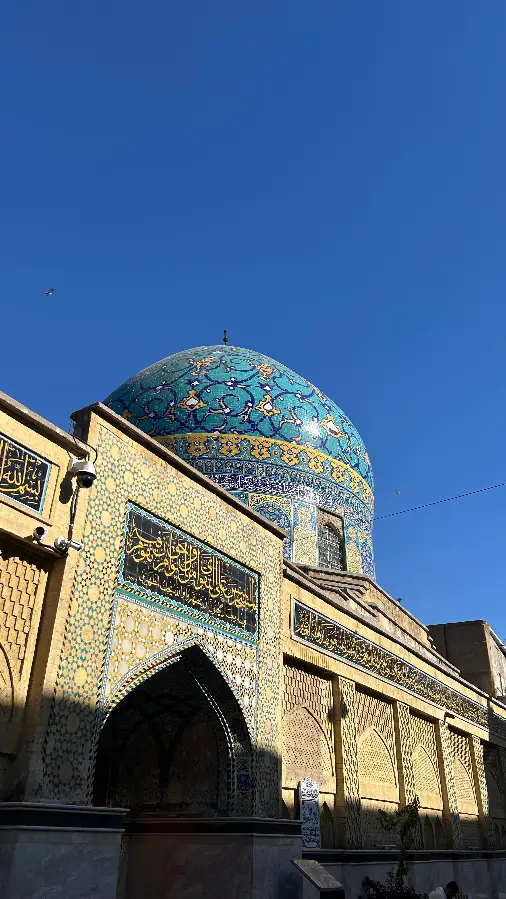
Haydar Khana Mosque
Religious · Baghdad
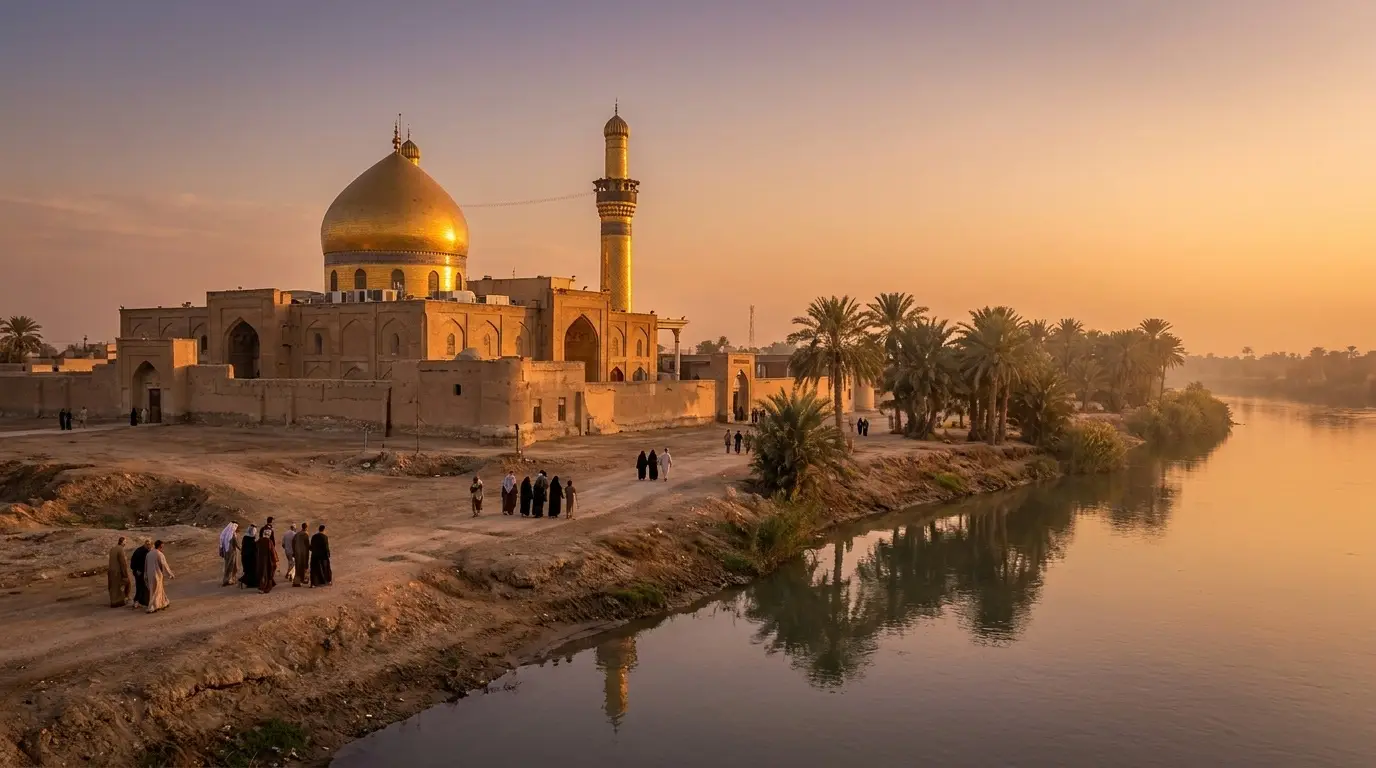
Shrine of Salman al-Farisi
Religious · Baghdad
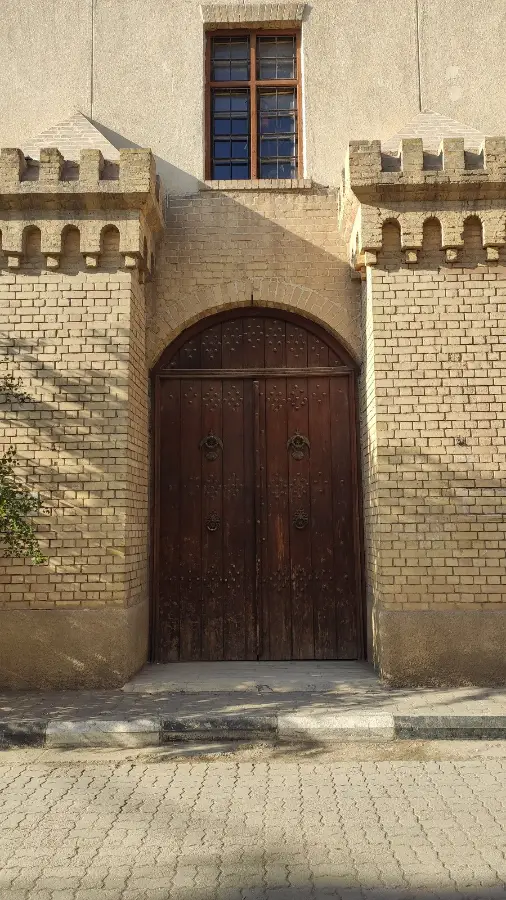
Al Qishla Building
Historical · Baghdad
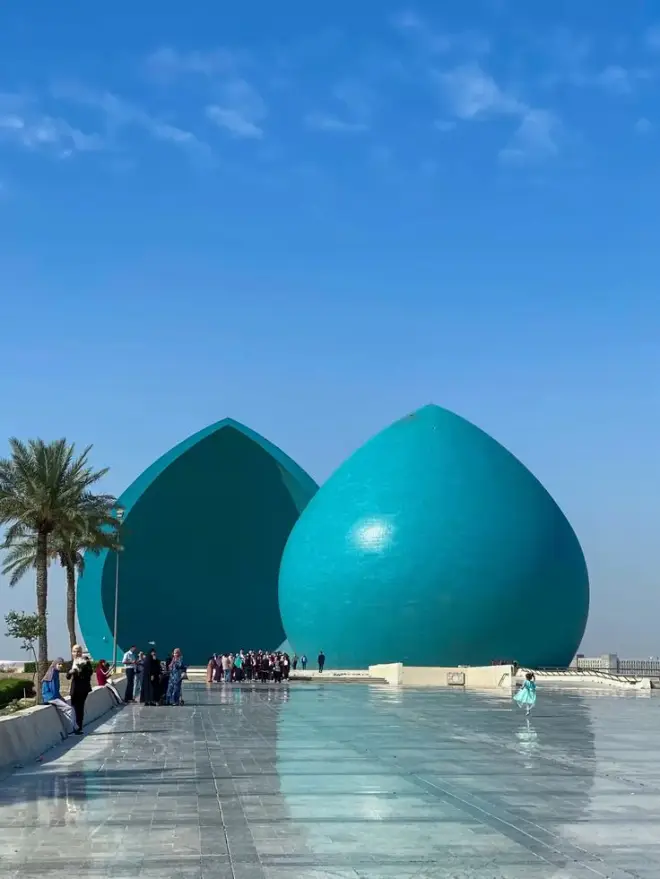
Iraqi Martyr's Monument
Cultural · Baghdad
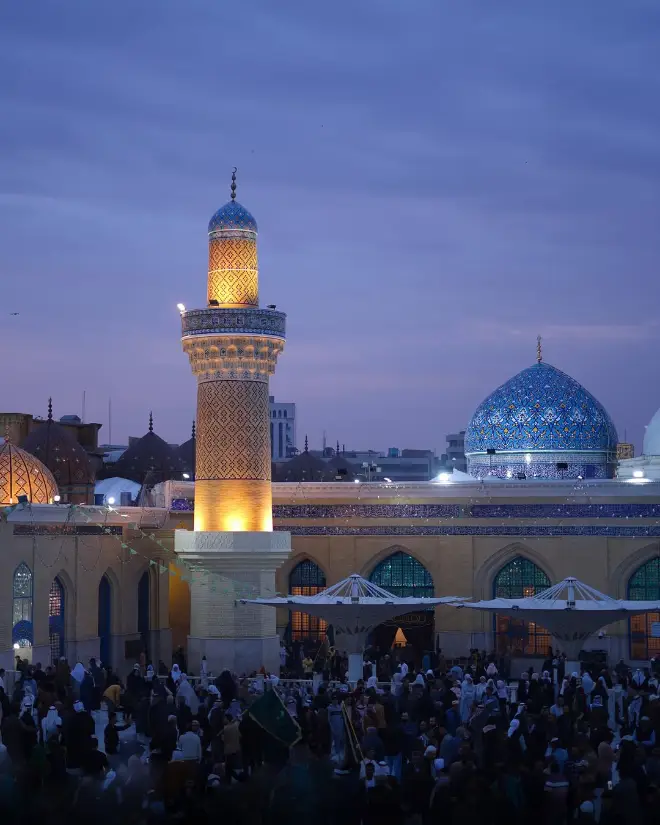
The Qadiriyya Shrine
Religious · Baghdad
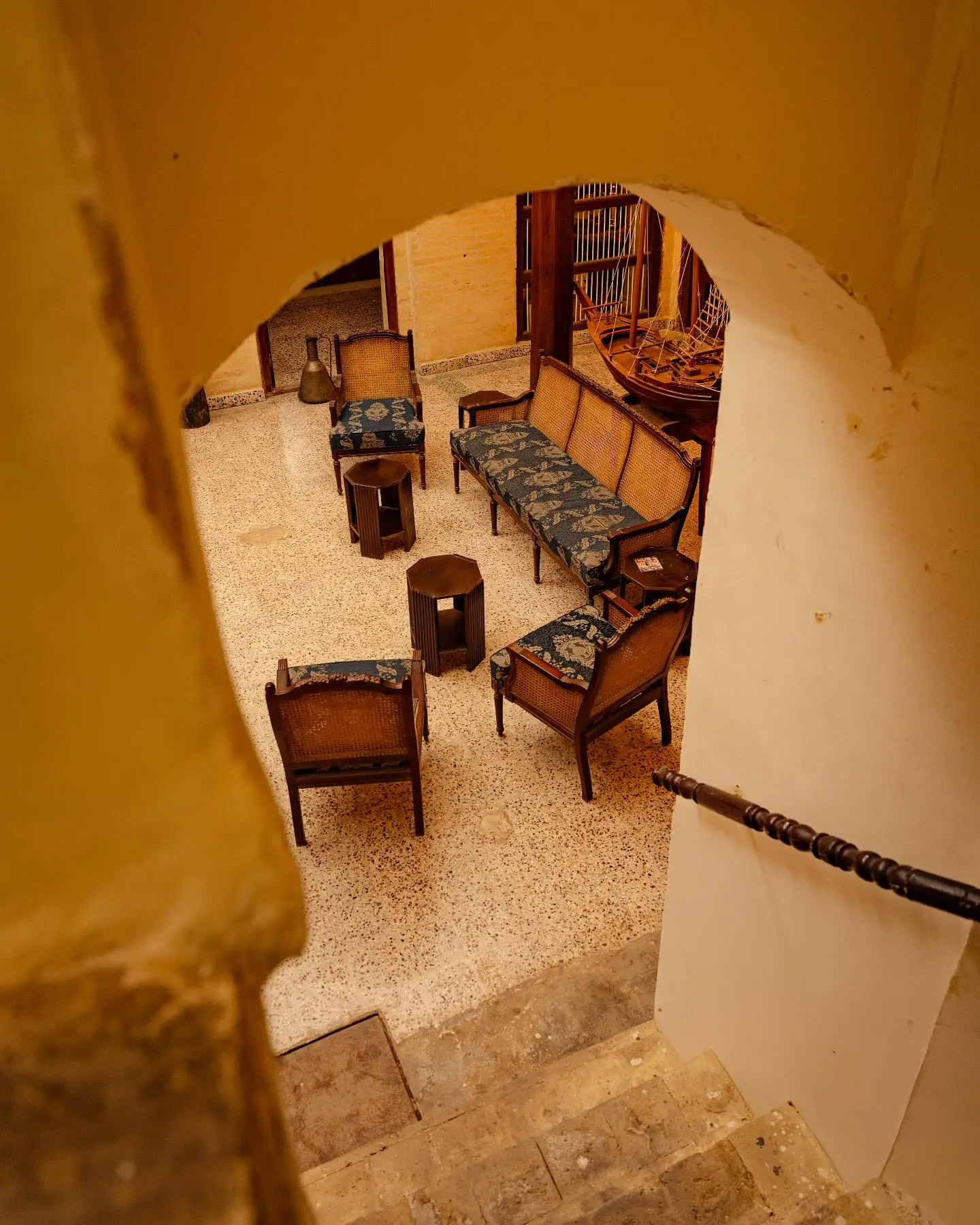
Al Wattar Heritage House
Historical · Baghdad
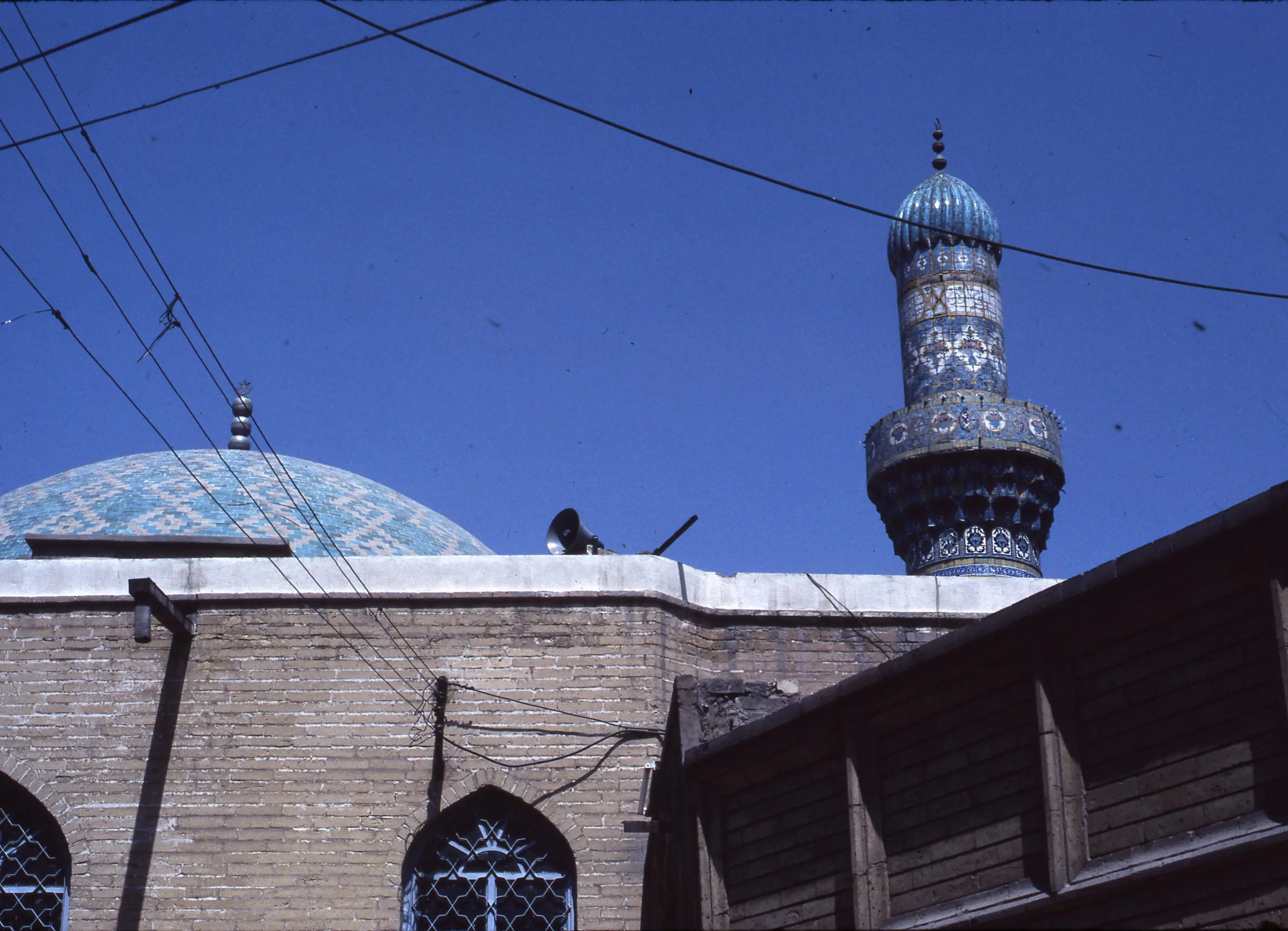
Al Muradiya Mosque
Religious · Baghdad
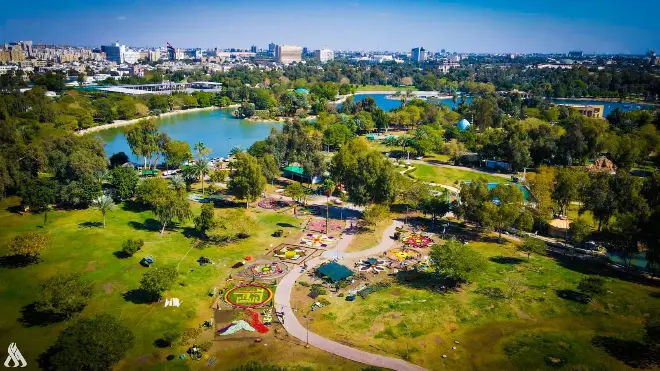
Al Zawra'a Park
Entertainment · Baghdad
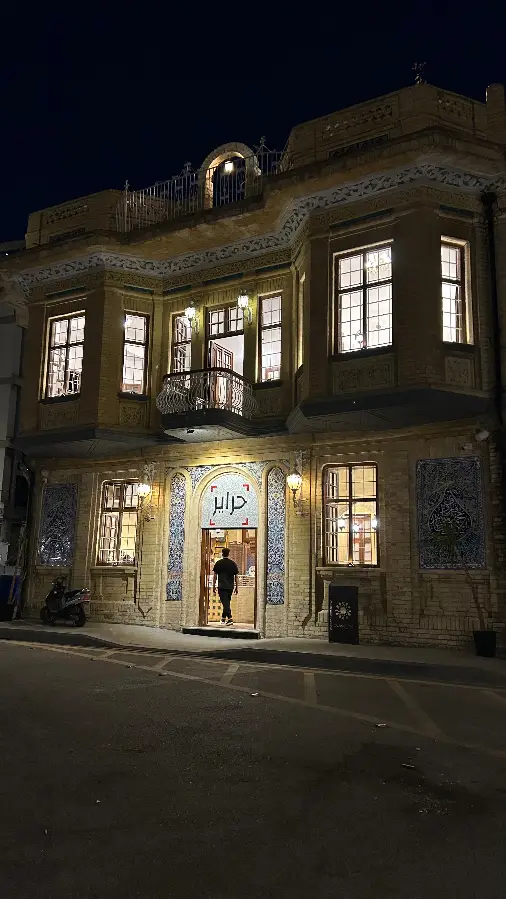
Munkhul Cafe (Regina Murad Pasha’s House)
Restaurant · Baghdad
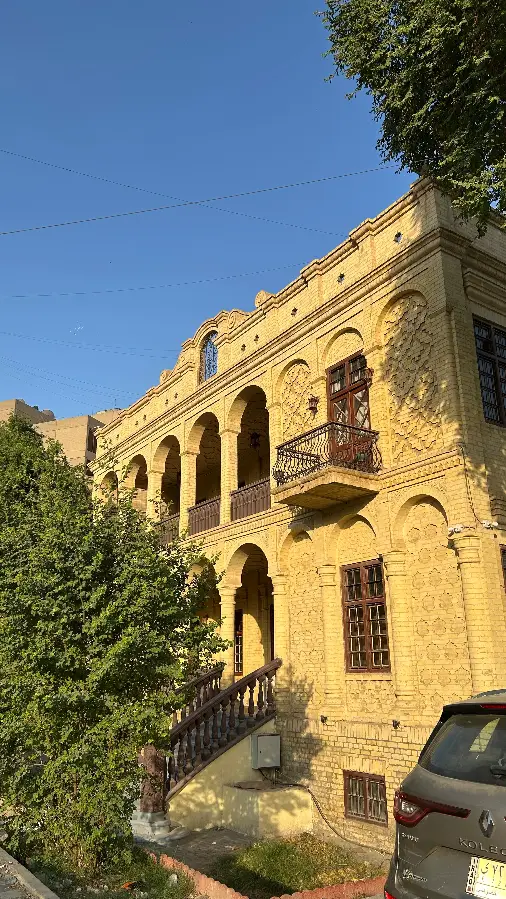
The Dhaher Family Homes
General · Baghdad

Mustansiriyah School
Historical · Baghdad
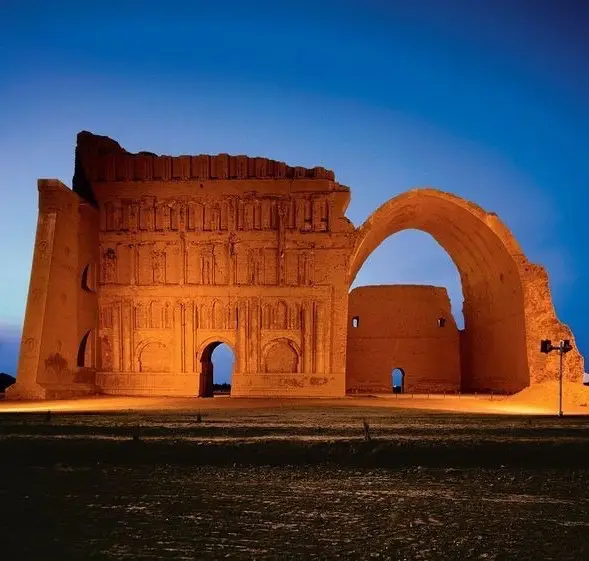
Taq El Kisra or Iwan Al Madain
Historical · Baghdad
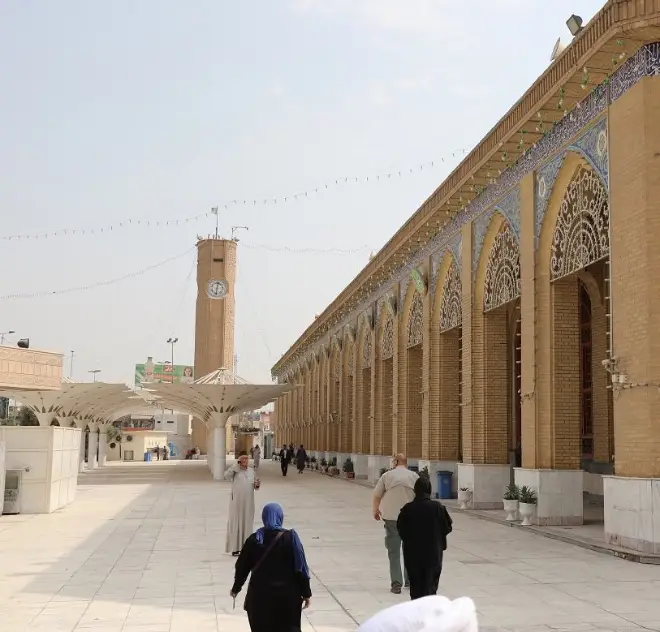
Abu Hanifa Al Nu'man Mosque
Religious · Baghdad
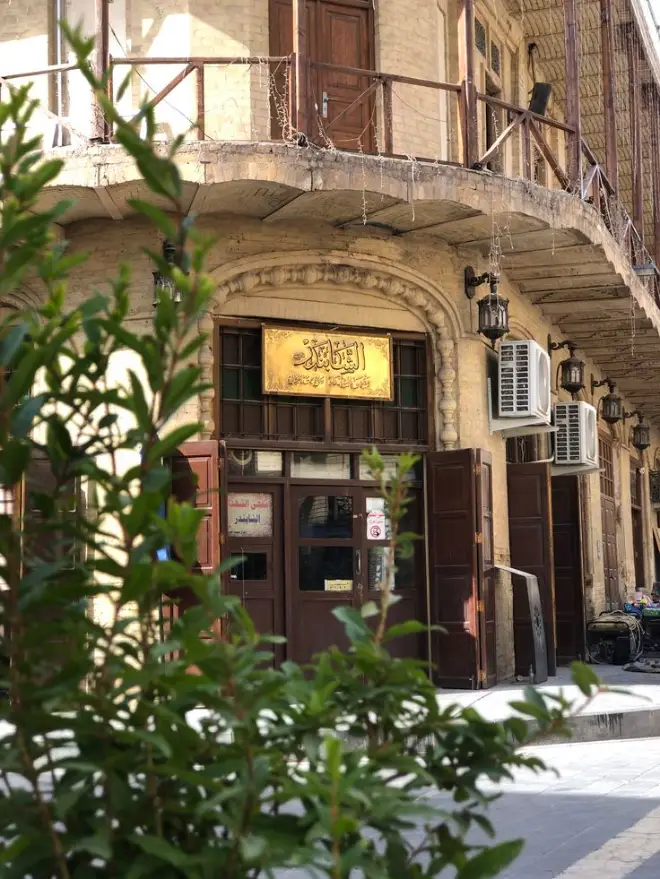
Al Shabandar Cafe
Restaurant · Baghdad
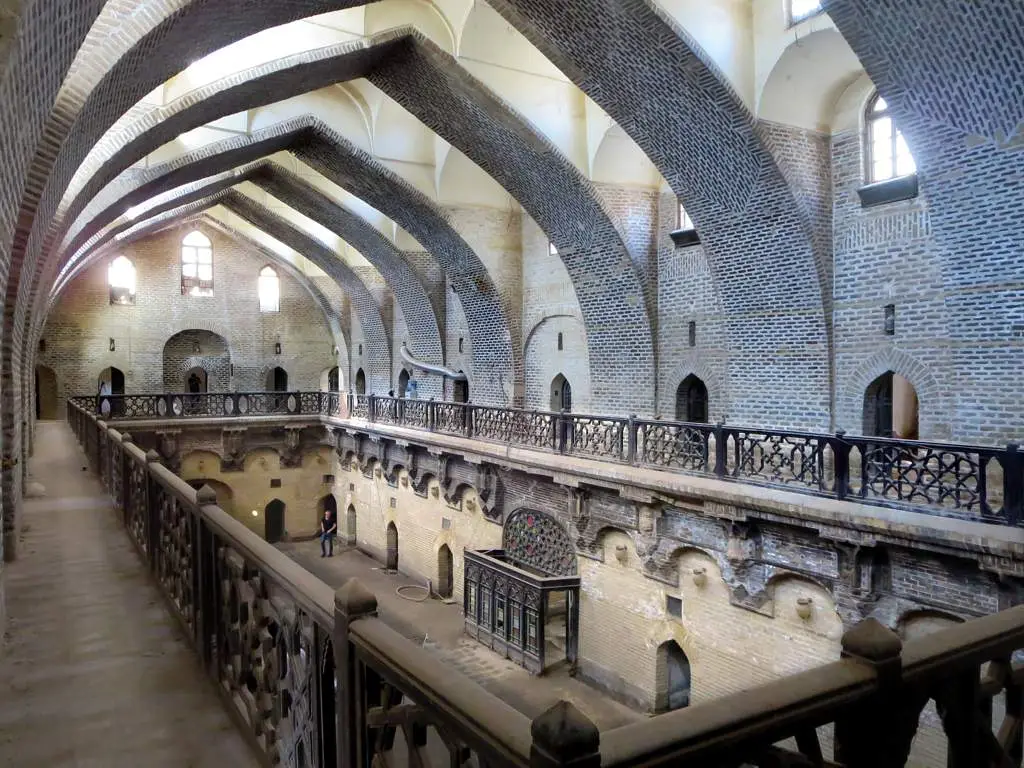
Khan Murjan
Historical · Baghdad
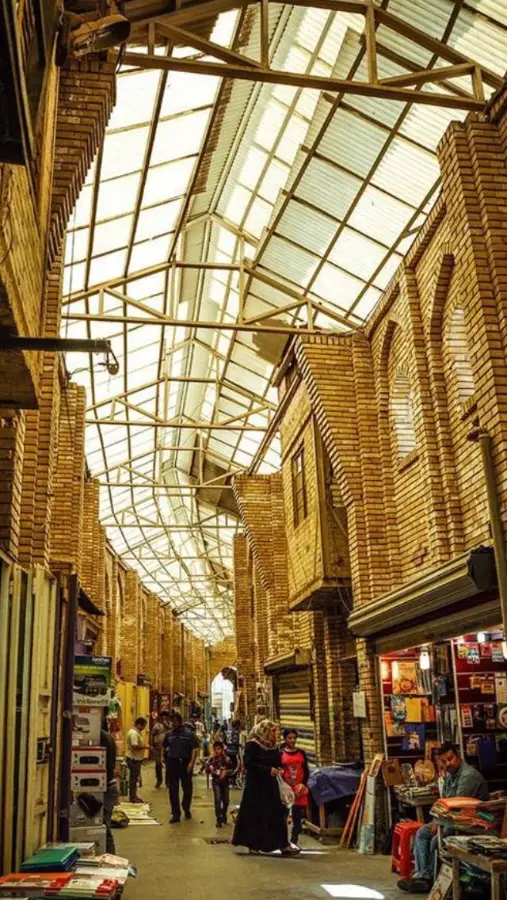
Souq Al Saray
Cultural · Baghdad
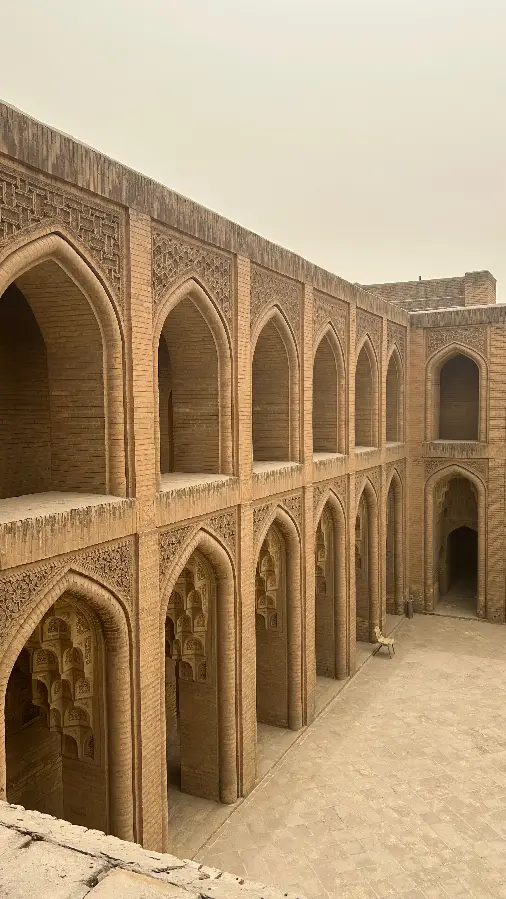
Abbasid Palace
Historical · Baghdad
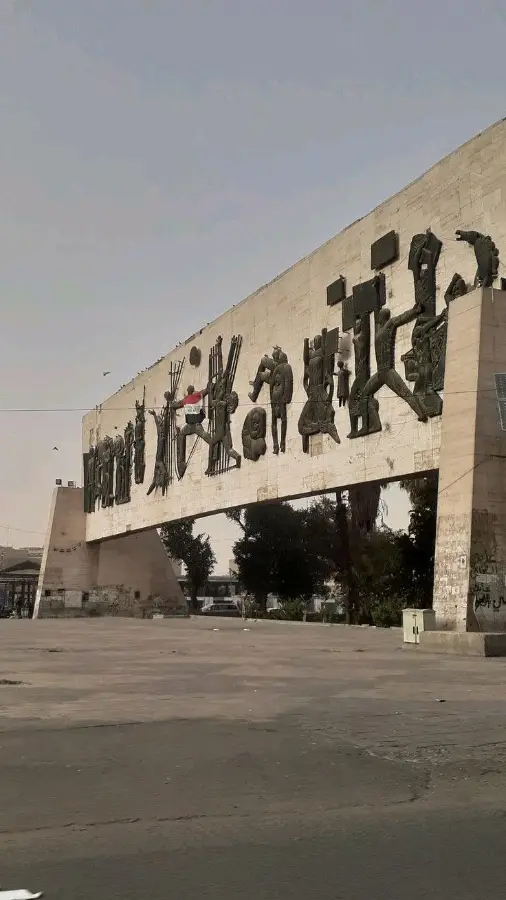
Freedom Monument
Cultural · Baghdad
What to eat in Baghdad
Baghdad's signature dish is masgouf, a butterflied Tigris carp slow-grilled over open wood fires and traditionally served with flatbread, pickles, and amba, the tangy mango sauce that turns up across Iraqi cuisine. Riverside restaurants along Abu Nuwas Street are the classic place to try it. Other staples include kubba, dolma, biryani in the Baghdadi style, and grilled meats from neighborhood mashawi stands. For breakfast, kahi pastries with geymar cream and honey are widely loved, and the city's tea houses pour endless small glasses of dark, sweet chai throughout the day.
Getting there
Most visitors arrive at Baghdad International Airport (BGW), about sixteen kilometers west of the center, which is served by a growing number of regional and European carriers. Domestic flights connect the capital to Basra, Erbil, Sulaymaniyah, and Najaf in under an hour and a half. Overland, shared taxis and private cars link Baghdad with all the major Iraqi cities, with Najaf and Karbala roughly two to three hours south and Erbil five to six hours north, traffic and checkpoints permitting.
Getting around
Baghdad is a car-oriented city, and most travelers rely on metered or negotiated taxis along with ride-hailing apps such as Careem, which operate in the central districts. Traffic can be heavy throughout the day and especially around checkpoints, so trips often take longer than the map suggests. Several neighborhoods reward walking once visitors arrive on foot, including the area around Mutanabbi Street, the Qishla, and the riverside promenade at Abu Nuwas, where cafes and fish restaurants stretch along the Tigris. A licensed local guide is helpful for first-time visitors, both for navigation and for context on the city's many sites.
Money & payments
Baghdad is the country's deepest cash market and the easiest place to get good rates. The dinar dominates day to day, but USD is freely accepted at hotels along Abu Nawas and in Karrada, by tour drivers, and at upscale restaurants. Foreign-card ATMs work at the airport, the Rotana, the Babylon, and select bank branches, but expect occasional failures. Exchange on Al-Kifah Street near the central business district for the strongest rates. Cards are accepted at Carrefour, City Center Mall, and four-star hotels; everything else, including Careem rides if you choose cash, is dinar.
Safety
Central Baghdad has grown considerably calmer since 2017, and visitors increasingly move around the main cultural districts without incident. Checkpoints remain a routine feature of urban life, and a few areas on the city's outskirts are best avoided. Most travelers visit with a local guide or driver, particularly on a first trip, and follow standard advice about crowds, demonstrations, and night travel between cities.