
Duhok
Mountain-cradled city at the gateway to Yazidi and Assyrian heritage.
About Duhok
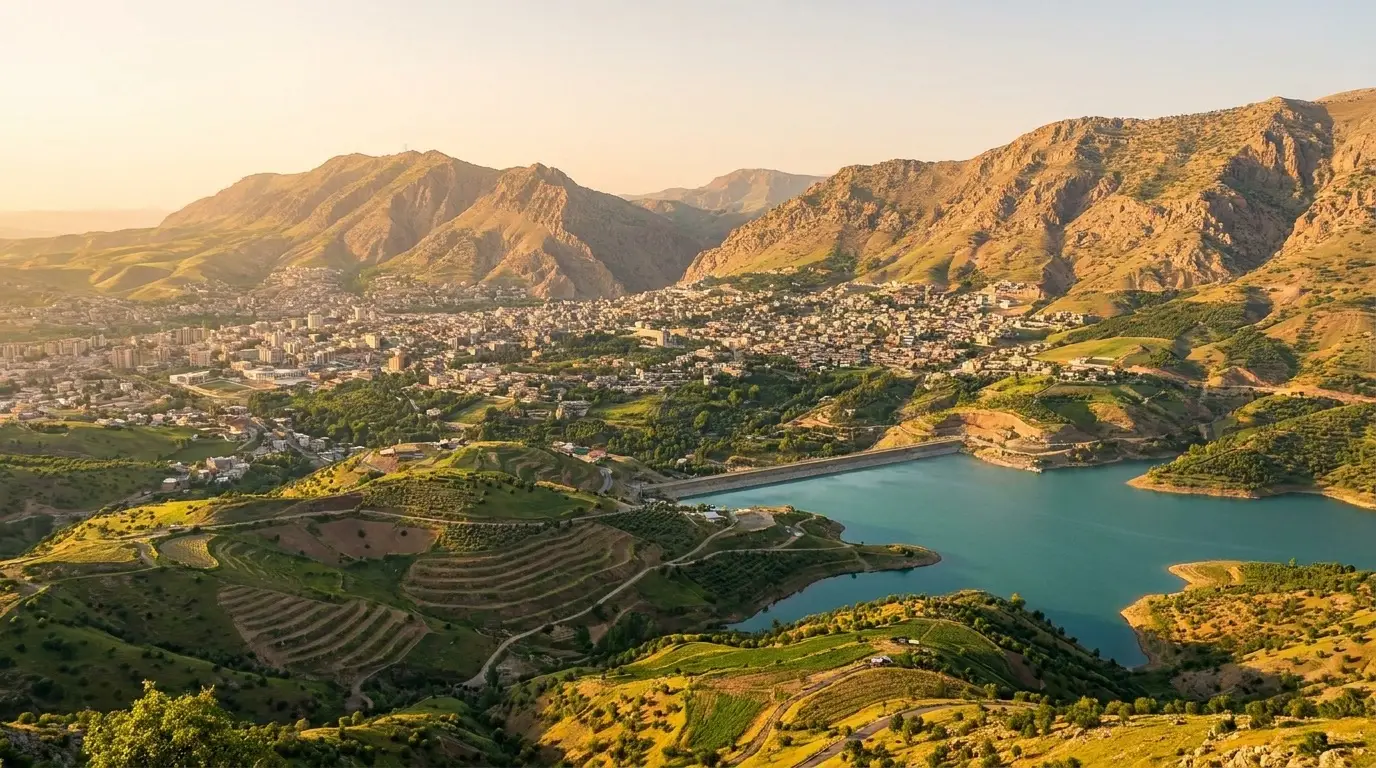
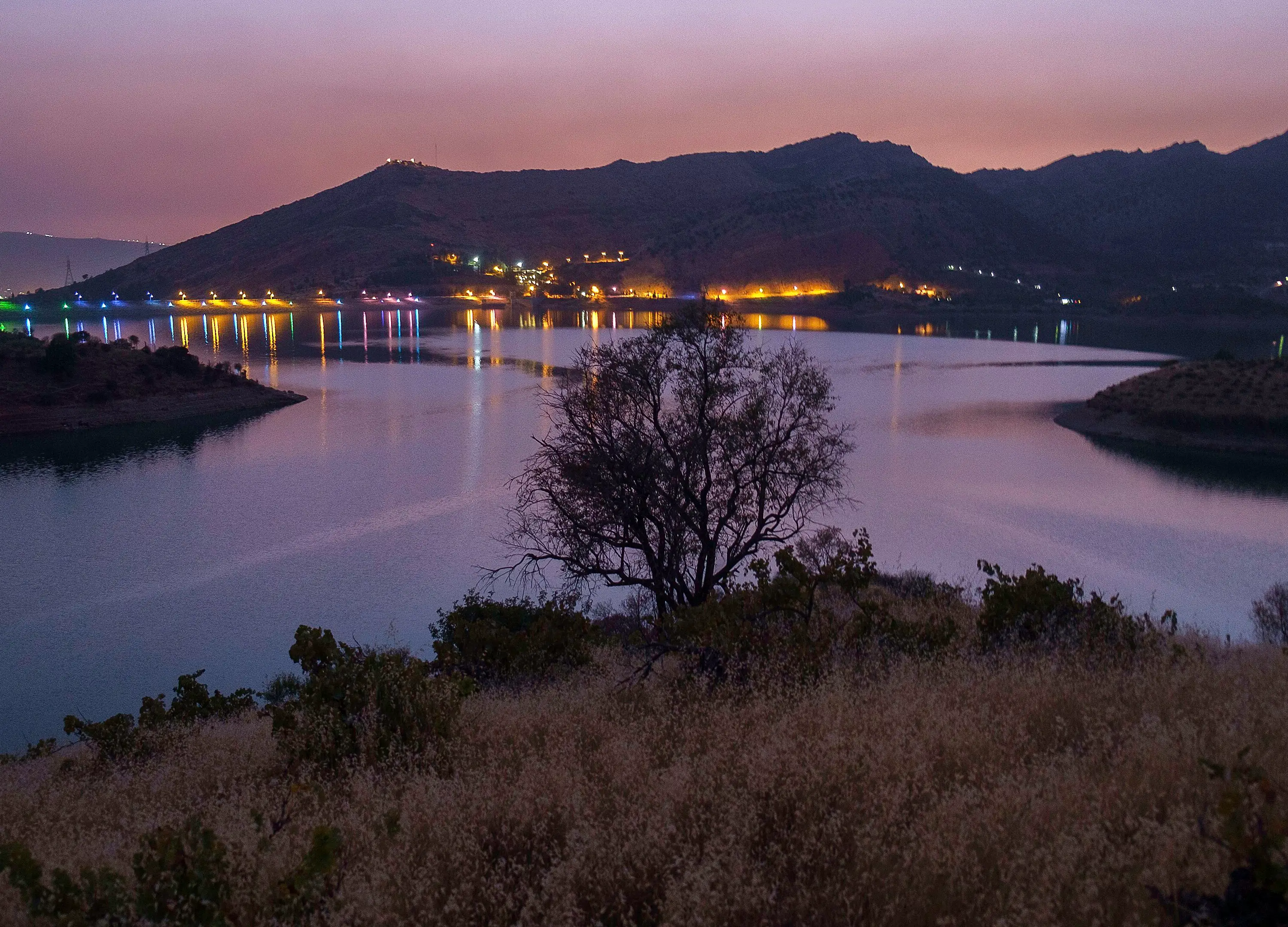
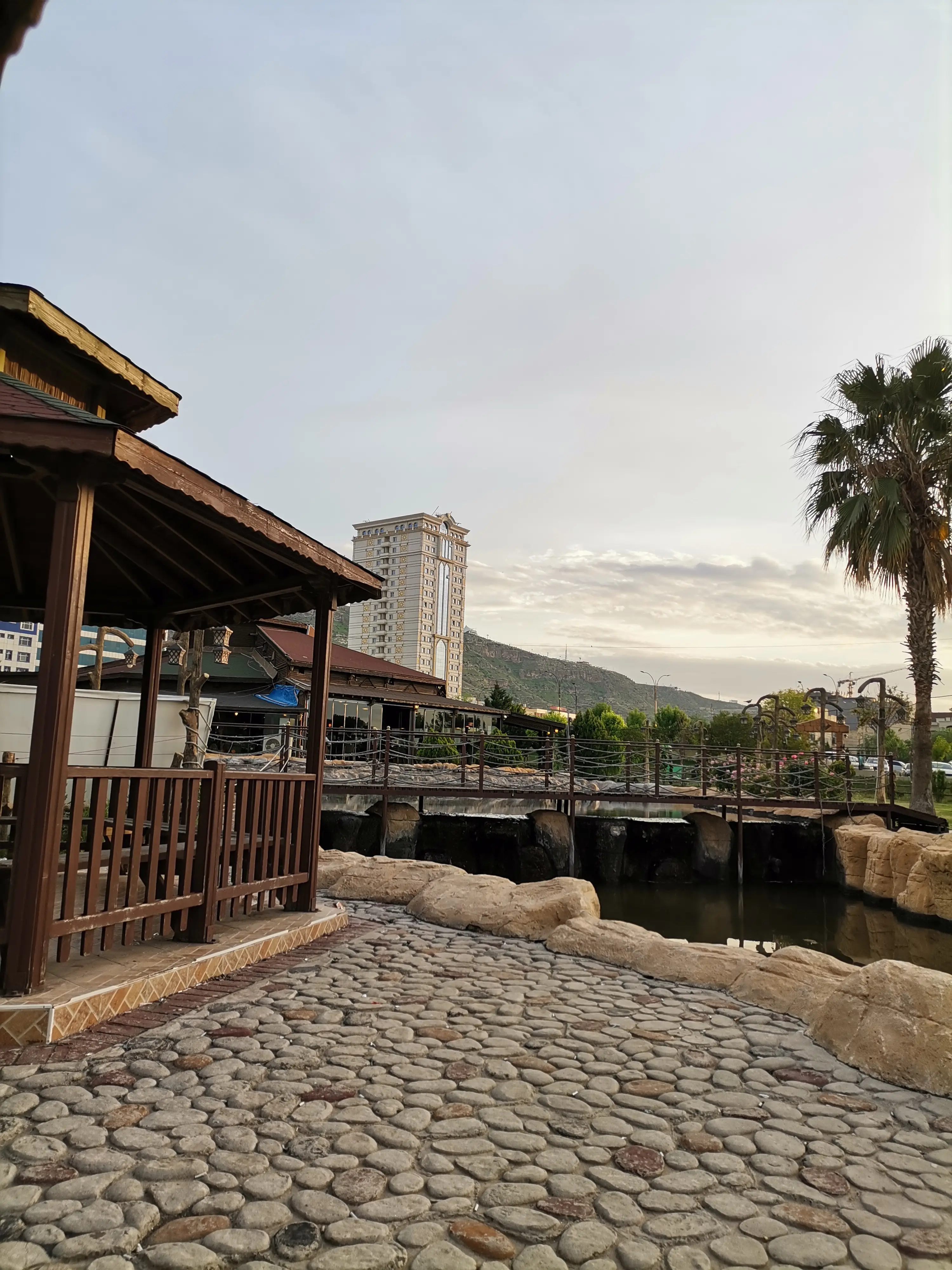
Duhok lies in a narrow valley among rugged limestone mountains in the far north of Iraq, about seventy kilometers from the Turkish border and roughly one hundred and fifty kilometers northwest of Erbil. The city of around three hundred and forty thousand serves as the capital of Duhok Governorate, one of the three governorates that make up the Kurdistan Region. Hemmed in by steep ridges on most sides, Duhok has expanded along the valley floor and up the gentler slopes, lending it a vertical character that distinguishes it from the open plains around Erbil. The city sits beside the large Duhok Dam reservoir, which provides both drinking water and a popular recreation area, and is surrounded by orchards of apples, walnuts, and pomegranates. Travelers come to Duhok for its mountain scenery, its mild summers, the nearby Yazidi holy site of Lalish, the Assyrian Christian villages of the Nineveh plains, and the dramatic landscapes around Amadiya.
Duhok through history
The Duhok area has been inhabited since prehistoric times, and rock-cut reliefs in the surrounding hills attest to Assyrian and earlier civilizations. Ancient Assyrian inscriptions and tombs near Maltai mark the area's place along important caravan routes between Mesopotamia and the highlands of Anatolia. In the medieval period, the region was part of the Bahdinan emirate, centered on Amadiya, which became a significant Kurdish political and cultural force from the twelfth century onward. The modern city of Duhok grew slowly through Ottoman times as a small market town in a strategic mountain pass. The twentieth century brought significant change, including the displacement of Assyrian, Yazidi, and Kurdish communities at various points, and after 1991 the city emerged as a regional center within the Kurdistan Region. It received large numbers of Yazidi refugees after the Sinjar tragedy of 2014.
- 340,000
When to visit
Duhok's mountain setting makes it pleasant for much of the year. Spring, from late March to May, is particularly beautiful, with wildflowers blanketing the slopes and waterfalls flowing strongly after the winter rains. Autumn brings warm days, cool nights, and ripe orchards. Summers are warm but noticeably cooler and drier than the southern plains and remain comfortable into the evening. Winter brings snow to the surrounding mountains and occasional snowfall to the city, with skiing possible at higher elevations.
Top places in Duhok
What to eat in Duhok
Duhok's cuisine reflects the broader Kurdish traditions of the mountainous north, with an emphasis on lamb, bulgur, yogurt, fresh herbs, and seasonal fruit. Local specialties include dolma with grape leaves and stuffed vegetables in a tangy broth, kubba shwandar with red beet, hearty lentil and bean stews, and grilled trout from highland streams. Sweet honey from the surrounding mountains, walnuts, and dried fruits are favored snacks, and small bakeries along the bazaar produce fresh flatbreads throughout the day.
Getting there
Duhok has no commercial airport of its own; most international travelers fly into Erbil International Airport (EBL) and continue by road in around two and a half hours. Shared taxis and private cars also link Duhok with Mosul in roughly two hours and with the Ibrahim Khalil border crossing into Turkey in under an hour, an important overland route between Iraq and Turkey.
Getting around
Duhok's central districts are reasonably compact and walkable, particularly around the bazaar, the Mazi Mall area, and the parks along the valley floor. Taxis are inexpensive and easy to find, with fares typically negotiated. For trips to Lalish, Amadiya, the Gali Ali Beg waterfalls, and the rock-cut reliefs at Maltai, hiring a car with a driver for the day is the most straightforward arrangement.
Money & payments
Duhok is smaller than Erbil or Sulaymaniyah and has thinner card infrastructure, but it still benefits from KRG banking. A handful of ATMs at Byblos and Cihan branches and at the larger hotels (Dilshad, Parka) accept foreign cards, though outages are common. USD and IQD are both accepted at hotels and tour operators arranging Lalish, Amedi, and Zakho trips; Turkish lira shows up near the Ibrahim Khalil border crossing. The central bazaar has reliable moneychangers. Restaurants, taxis, the Duhok Dam picnic area, and rural Yazidi heritage sites are cash only. Plan to arrive with enough cash for several days.
Safety
Duhok and the wider Kurdistan Region have been among the more stable parts of Iraq for many years and are widely visited by independent travelers, including families. Standard urban precautions apply, particularly around late-night travel. Border areas with Turkey can occasionally see military activity related to longstanding regional tensions, and travelers heading toward remote mountain passes should check current conditions and stay on well-traveled roads.