
Fallujah
Euphrates city of mosques and resilience, west of Baghdad.
About Fallujah
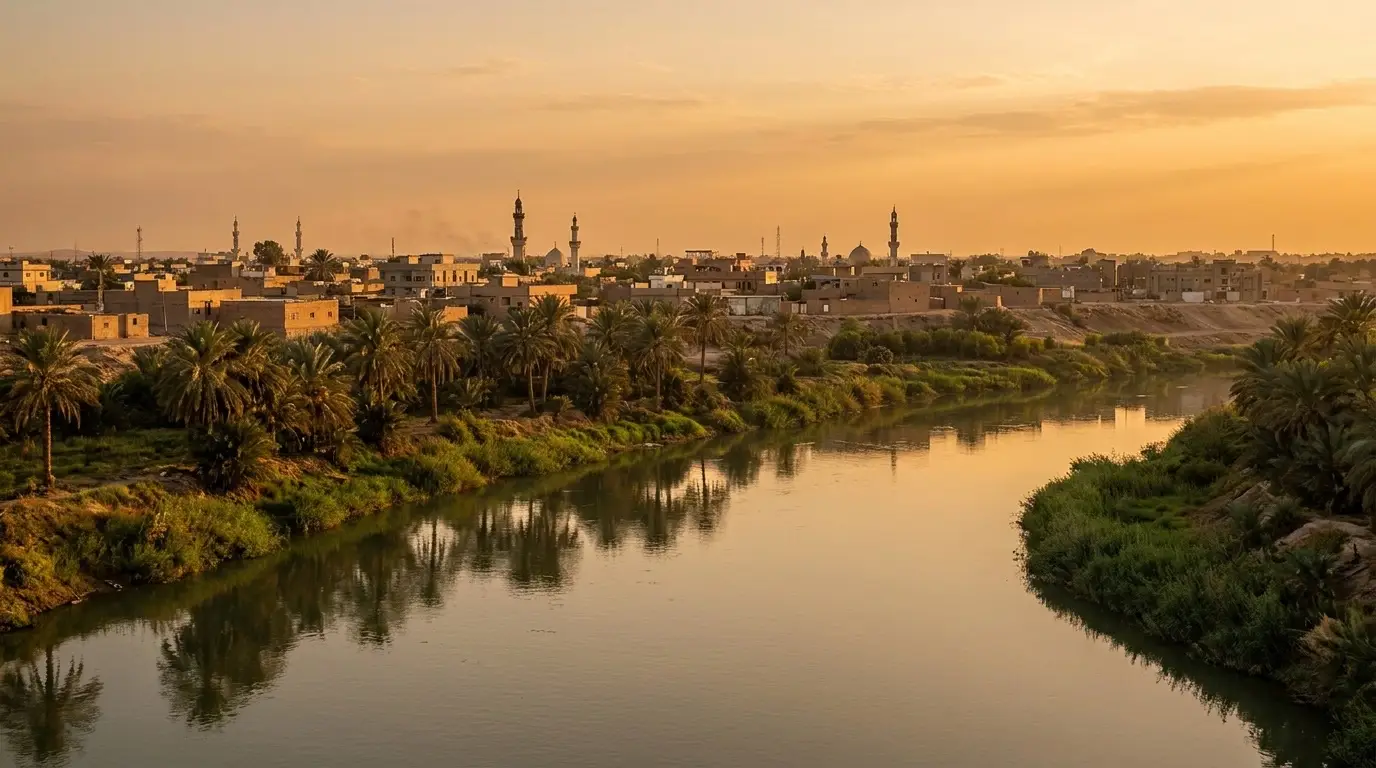
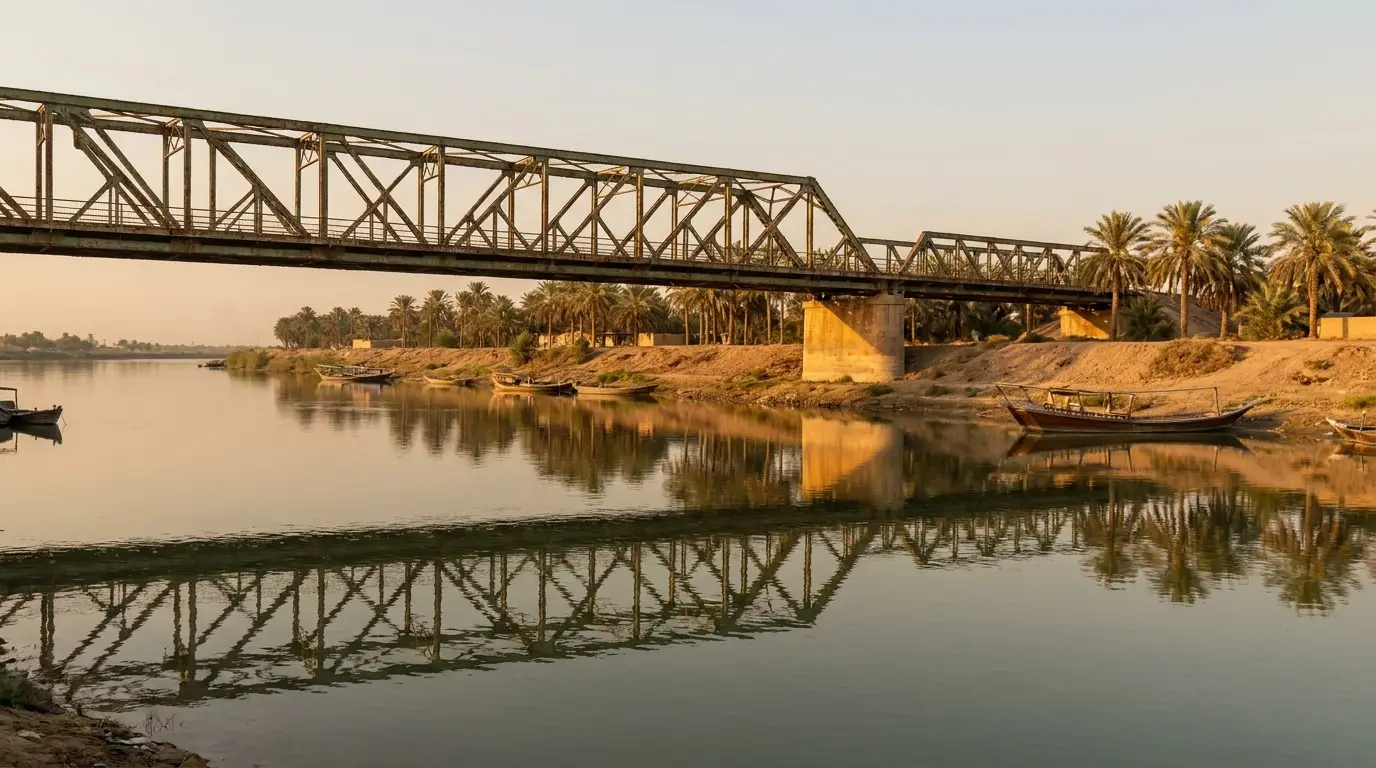
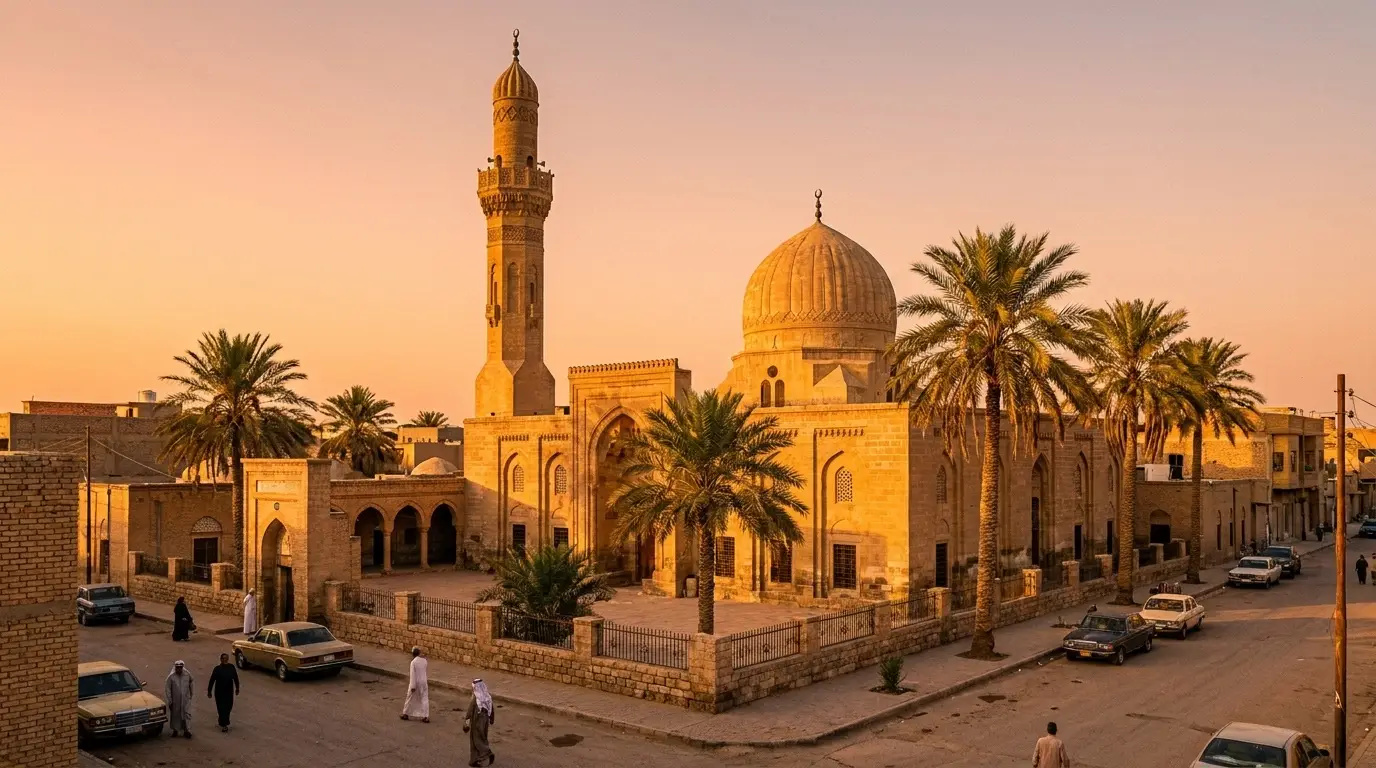
Fallujah lies on the eastern bank of the Euphrates in Anbar Governorate, about sixty-five kilometers west of Baghdad and around forty kilometers downstream from Ramadi. A city of roughly three hundred and thirty thousand, it sits on a fertile bend of the river surrounded by date palm groves, vegetable farms, and a network of irrigation canals that have shaped its economy for centuries. Fallujah is known across Iraq as the City of Mosques for the dense concentration of religious buildings within its streets, and its skyline of minarets is one of the most recognizable in central Iraq. The city suffered profound damage in two major battles in 2004 and again during the conflict between 2014 and 2017, when it was occupied by ISIS before being retaken in 2016. Reconstruction has progressed steadily, with main markets, schools, and bridges rebuilt and daily life largely returned to its previous rhythms.
Fallujah through history
The area around Fallujah has been settled since ancient times, and the name itself is thought to derive from a Syriac word for a place of irrigation, reflecting the long history of agriculture along this stretch of the Euphrates. In the early Islamic period it was a modest town along the trade route between Baghdad and the Levant, and it grew slowly through the Ottoman era. During the First World War, the British advance up the Euphrates in 1917 brought the city briefly to international attention. Through the twentieth century Fallujah developed as a regional market town with a strong agricultural base and a deeply rooted tribal society. The opening decades of the twenty-first century brought intense conflict, particularly the two battles of 2004 and the events of 2014 to 2017, both of which have profoundly shaped the city's contemporary identity.
- 330,000
When to visit
The cooler months from November through March are by far the most comfortable time to visit Fallujah, with mild daytime temperatures and pleasant evenings along the Euphrates. Spring is warm and brief, with green fields and citrus blossom in the surrounding farmland. Summers are intensely hot, often above 45 degrees Celsius, with dust storms occasionally sweeping in from the western desert.
Top places in Fallujah
What to eat in Fallujah
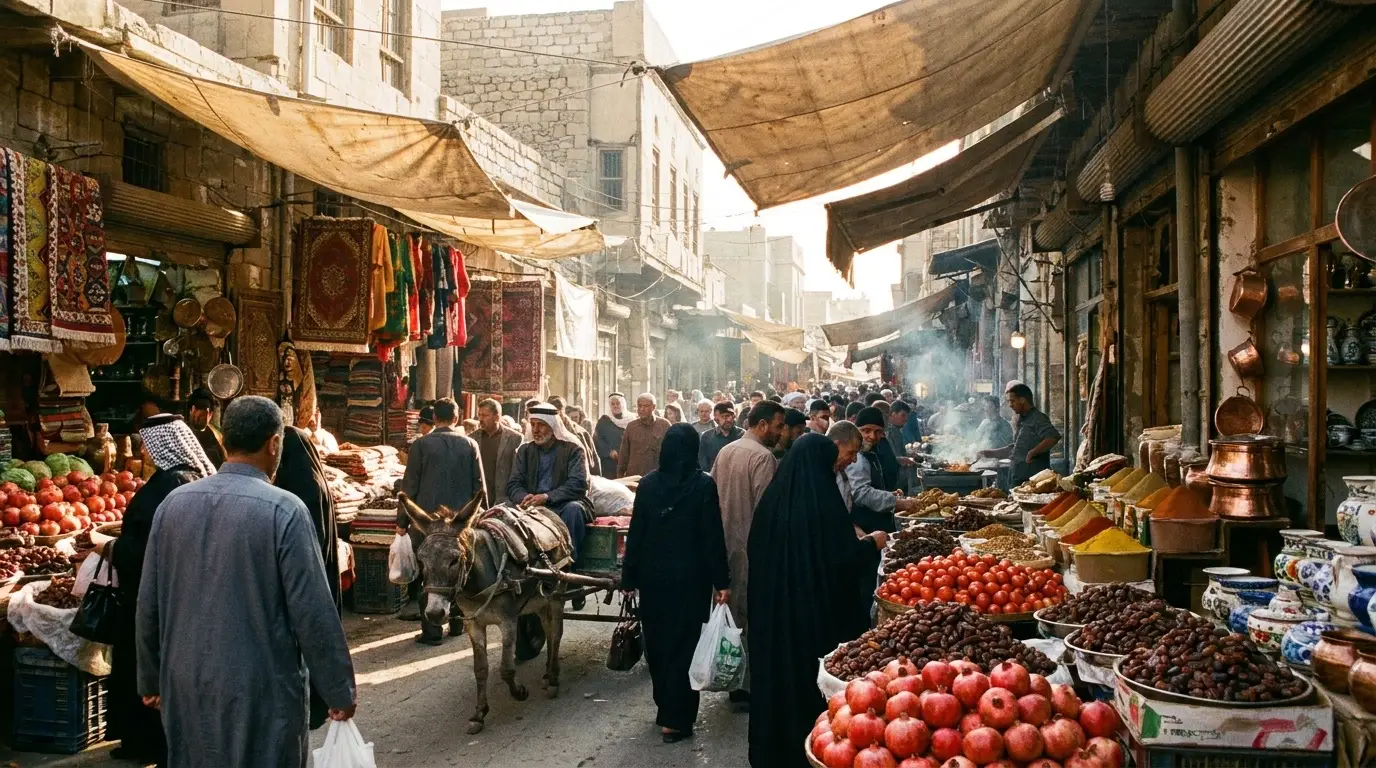
Fallujah's food draws on the broader culinary traditions of Anbar and the Euphrates. Grilled lamb and chicken, hearty stews with okra, eggplant, or beans, and breads baked fresh in clay tannour ovens are typical of family meals. Freshwater fish from the Euphrates is grilled in the masgouf style at riverside cafes, and rice dishes flavored with raisins, almonds, and warm spices appear at celebratory occasions. Dates from the surrounding groves, served with tea throughout the day, are a defining feature of hospitality across the city.
Getting there
Fallujah has no commercial airport, and travelers arrive overland from Baghdad in roughly one and a half hours via the main highway, traffic and checkpoints permitting. Shared and private taxis link the city with Ramadi forty kilometers upstream and with smaller towns along the Euphrates. The closest international airport is Baghdad International (BGW), about eighty kilometers to the east.
Getting around
Within Fallujah, local taxis are the main form of transport and are inexpensive and easy to find along the main streets. The central market areas and the riverside are walkable in cooler hours, though heavy summer heat limits outdoor strolling to early mornings and evenings. Visitors are advised to keep identification accessible at the city's checkpoints, which remain part of daily life, and to plan trips between Fallujah and other Anbar towns to arrive well before dark.
Safety
Fallujah has become considerably calmer since 2017, and central districts function in much the same way as other Iraqi cities. Checkpoints remain routine in and around the city, and visitors should carry identification and travel with a known local driver, particularly on a first visit. Some outlying neighborhoods are still affected by damaged buildings and the slow clearance of unexploded ordnance, and visits should be planned in consultation with knowledgeable local contacts. Current advisories should be reviewed before travel.