
Mosul
Northern crossroads city reawakening beside ancient Nineveh.
About Mosul
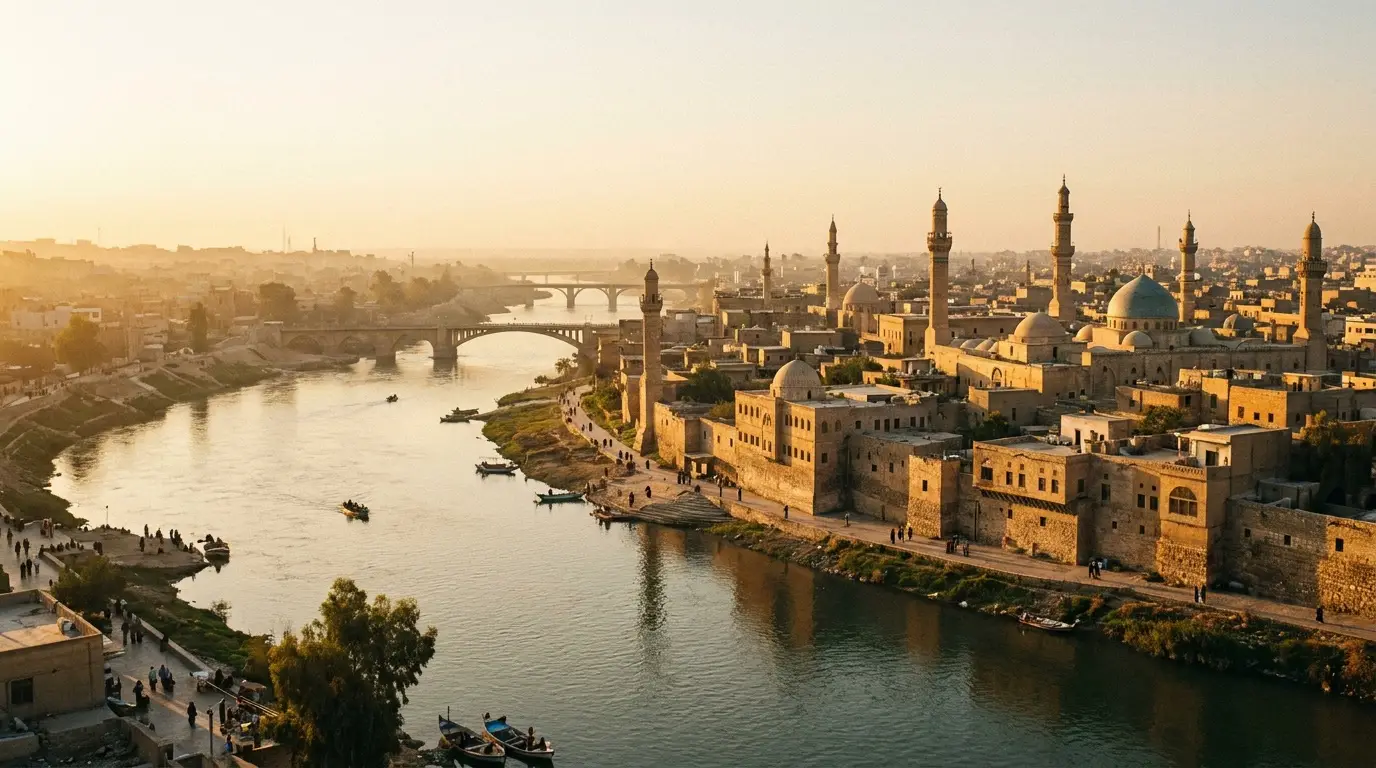
Mosul lies on both banks of the Tigris in northern Iraq, with the modern city on the east bank and the historic Old City and the mounds of ancient Nineveh facing it from the west. With a population of around one and a half million, it is the largest city in northern Iraq and the capital of Nineveh Governorate. Long known for its mosaic of communities, including Sunni and Shia Arabs, Kurds, Assyrians, Chaldeans, Turkmen, Yazidis, Shabak, and others, Mosul has been a meeting place of languages, religions, and trades for centuries. The city suffered devastating damage during the ISIS occupation of 2014 to 2017 and the operations that ended it, particularly in the Old City along the west bank. Since liberation, reconstruction has been a slow and deeply local effort, exemplified by the high-profile restoration of the leaning Al-Hadba minaret and the Al-Nuri Mosque led by UNESCO and partners. Travelers today come to witness this rebuilding, to walk through the rising scaffolds of the Old City, and to visit nearby Nineveh, Nimrud, and the Mar Mattai monastery in the surrounding hills.
Mosul through history
The Mosul area has been settled since prehistoric times and rose to prominence as Nineveh, the great Assyrian capital that became the largest city in the world under King Sennacherib in the seventh century BCE. After the fall of the Assyrian Empire, the site declined, and a new town grew on the opposite bank, eventually known as Mosul. Through the early Islamic, Hamdanid, Atabeg, Mongol, and Ottoman periods, Mosul prospered as a trade hub on the routes linking Baghdad, Aleppo, and Anatolia, lending its name to mosul muslin cloth. The city retained a remarkably diverse population into the twentieth century. The twenty-first century brought severe upheaval, culminating in the 2014 to 2017 occupation and conflict, and the subsequent ongoing work of reconstruction.
- 1,700,000
- 700 BCE
When to visit
Mosul is most pleasant from October through April, when daytime temperatures are mild and the Tigris valley is comfortable for walking through the Old City and visiting nearby archaeological sites. Spring brings green fields and wildflowers across the surrounding plains, and is a particularly photogenic time for visits to Nineveh and Nimrud. Summers are hot, regularly above 40 degrees Celsius, and rebuild zones can be dusty. Christmas and Easter are notable in Mosul's Christian quarters, where churches have been gradually reopening, and Eid celebrations animate the central markets.
Top places in Mosul
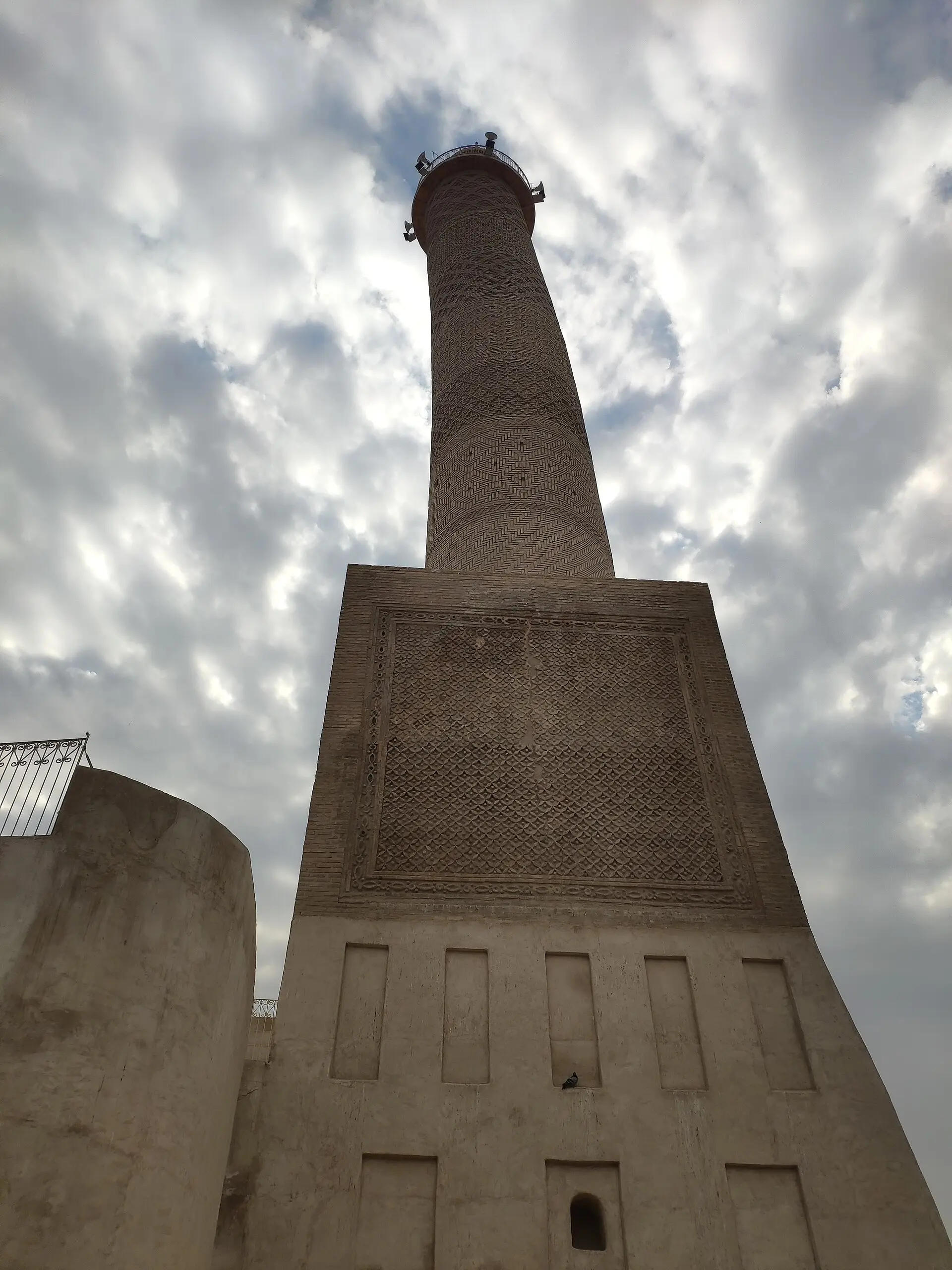
Al-Hadbaa Minaret
Historical · Mosul
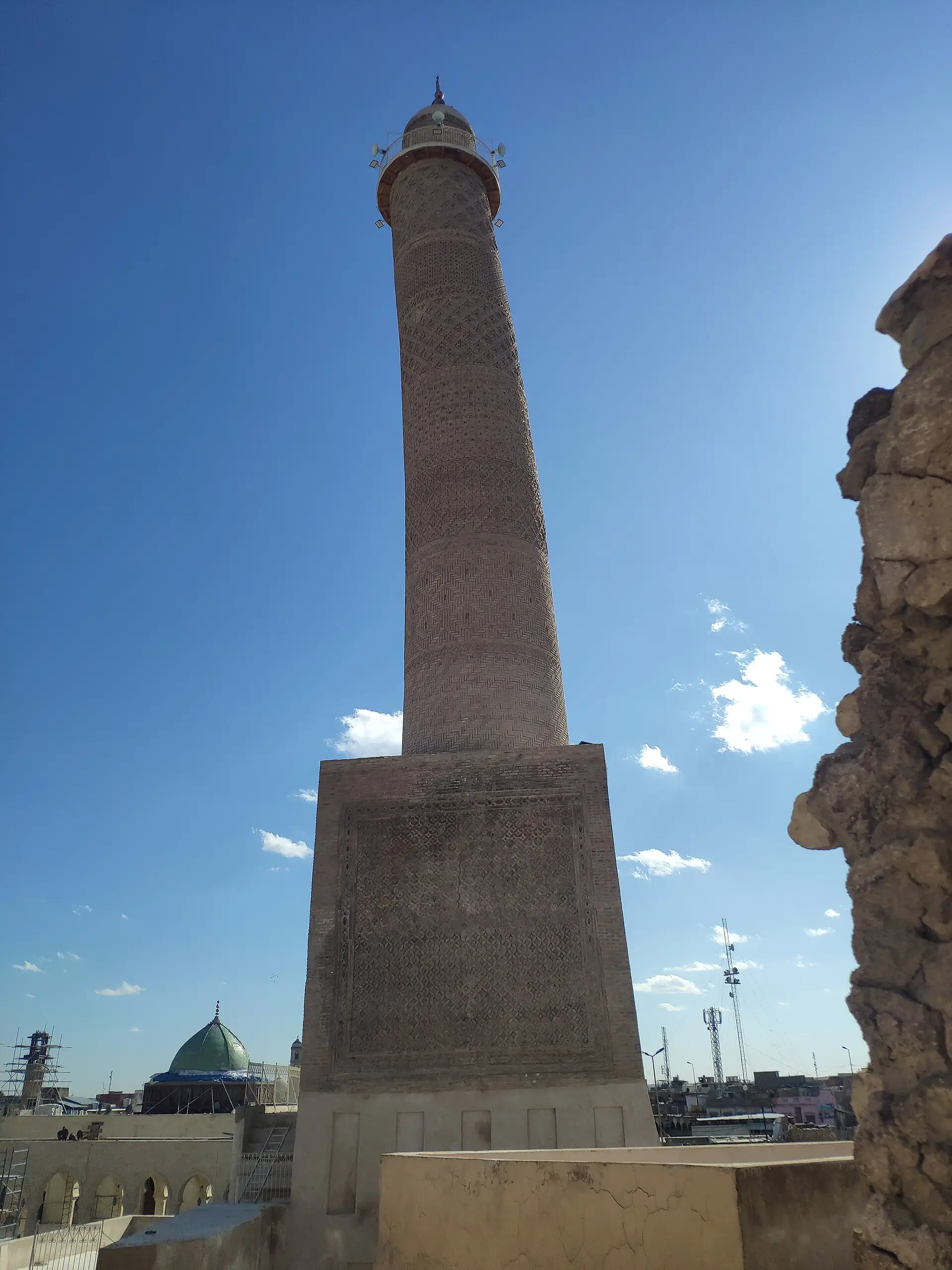
Great Mosque of Al Nouri
Historical · Mosul
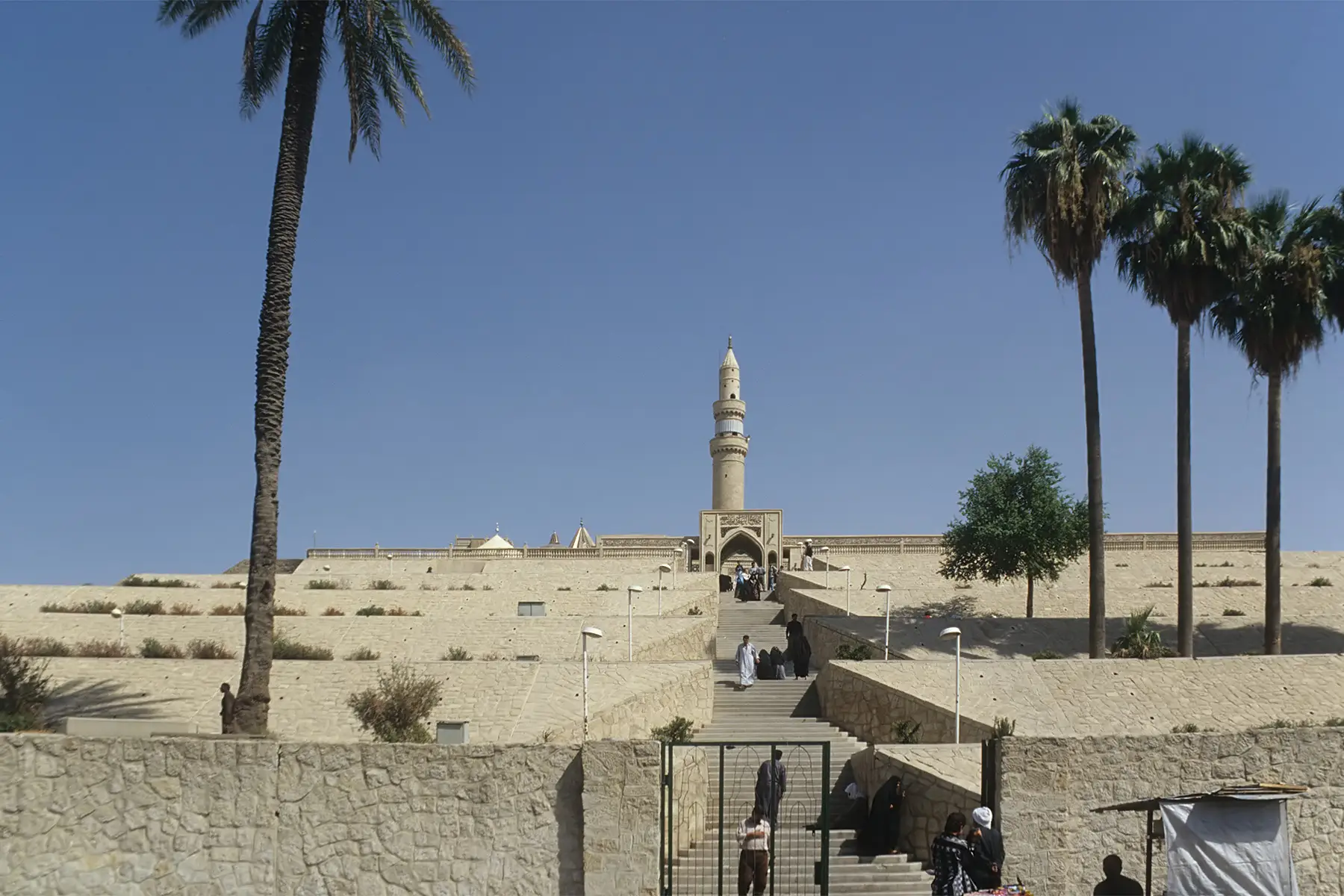
Mosque of Prophet Yunus A.S. (Jonah)
Religious · Mosul
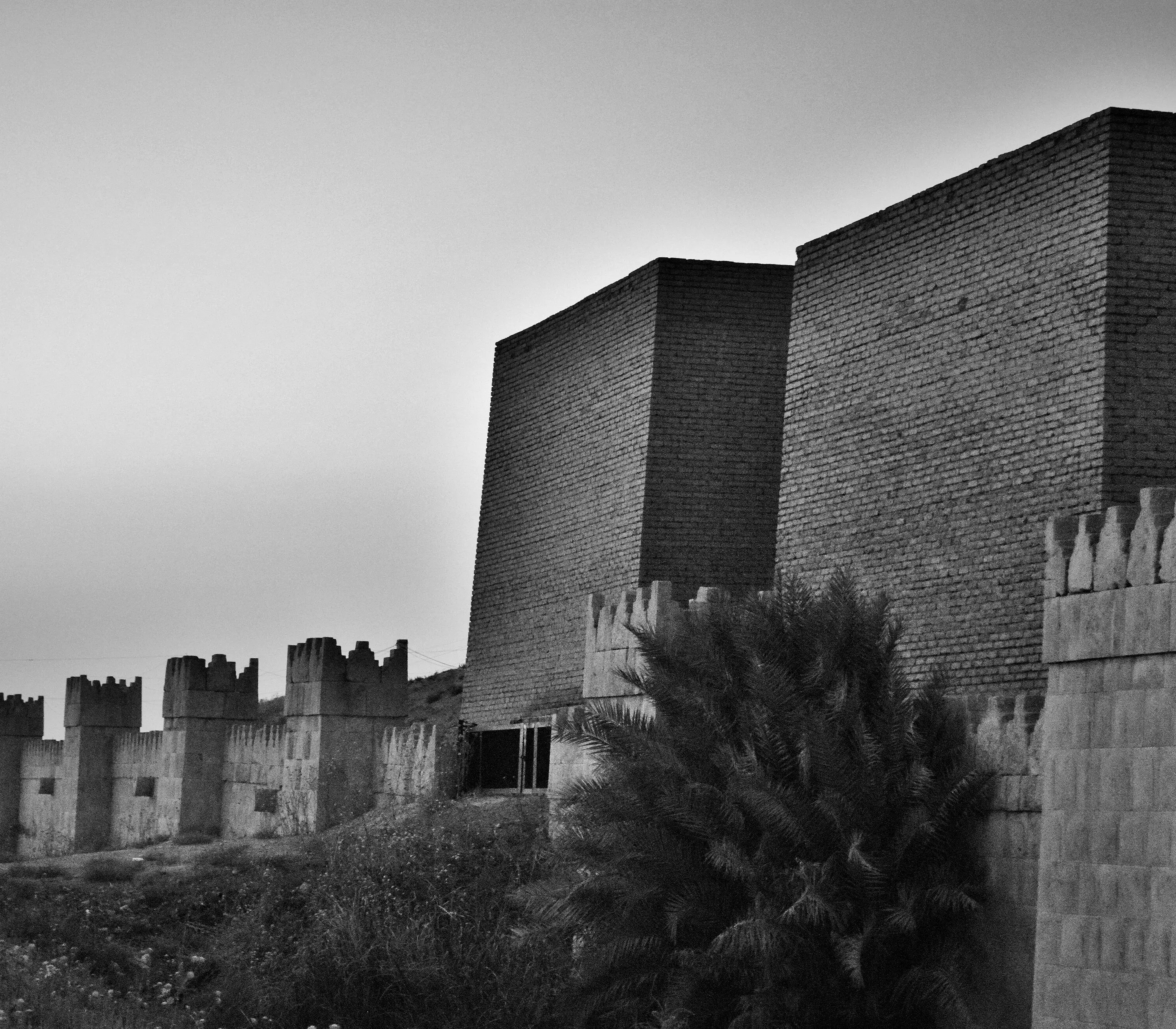
Ancient Nineveh
Historical · Mosul
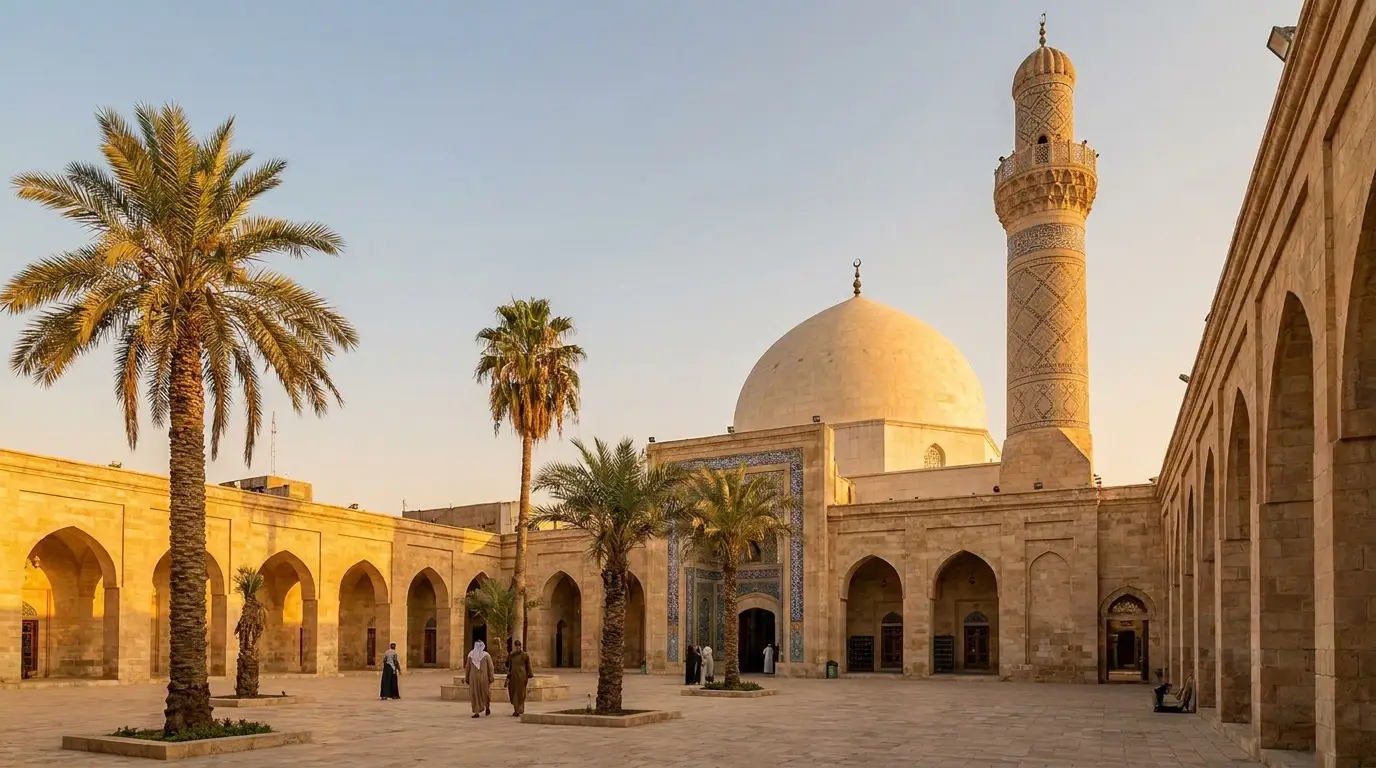
Al Nabi Sheet Mosque
Historical · Mosul
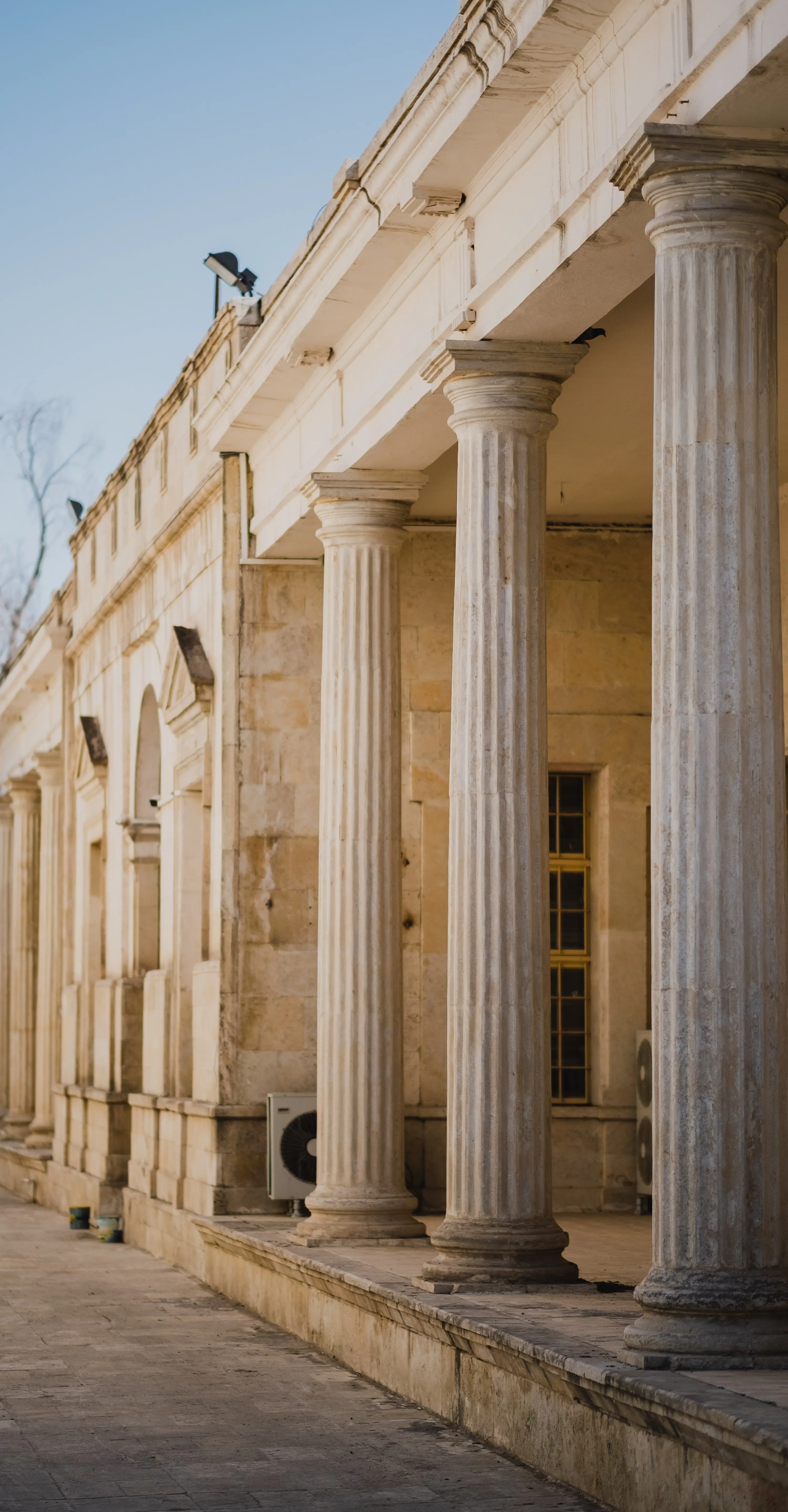
Mosul Museum
Cultural · Mosul
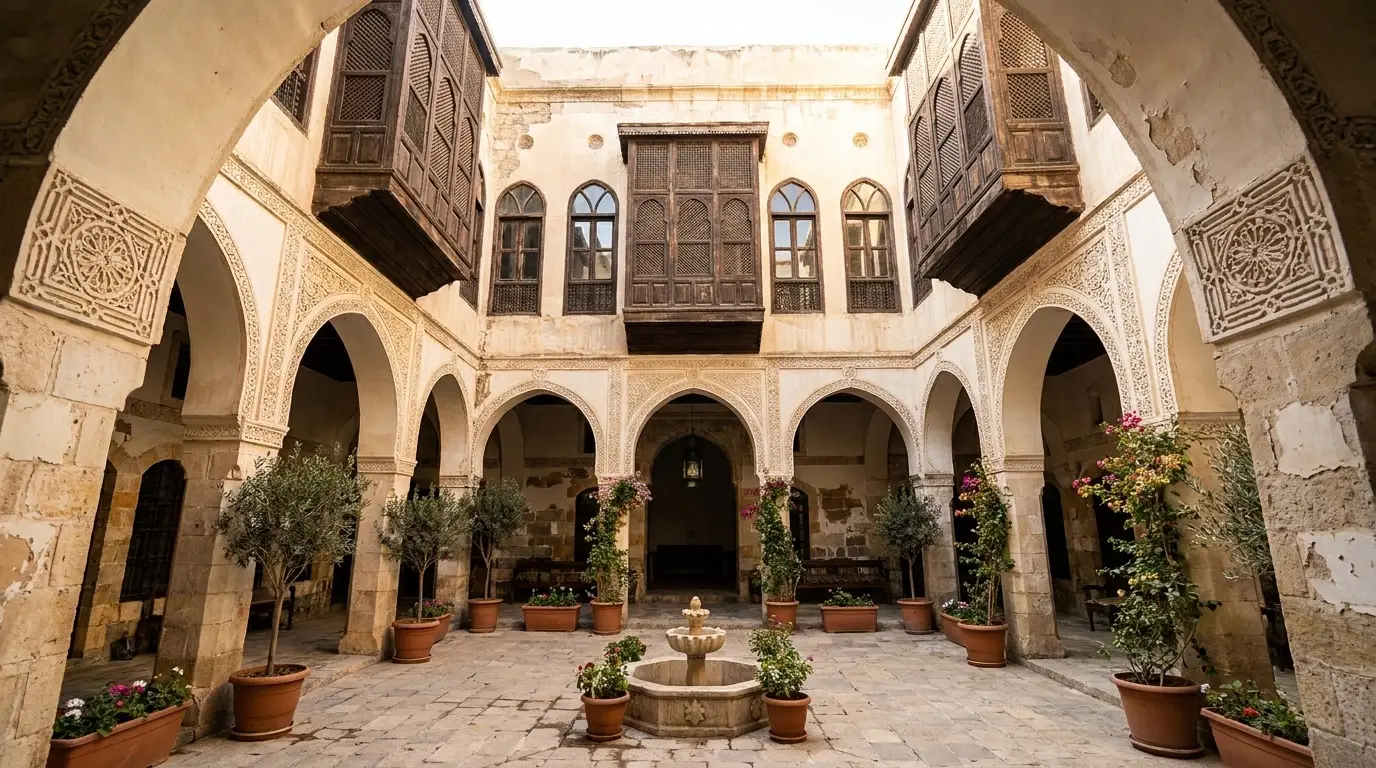
Mosul Heritage House
Historical · Mosul
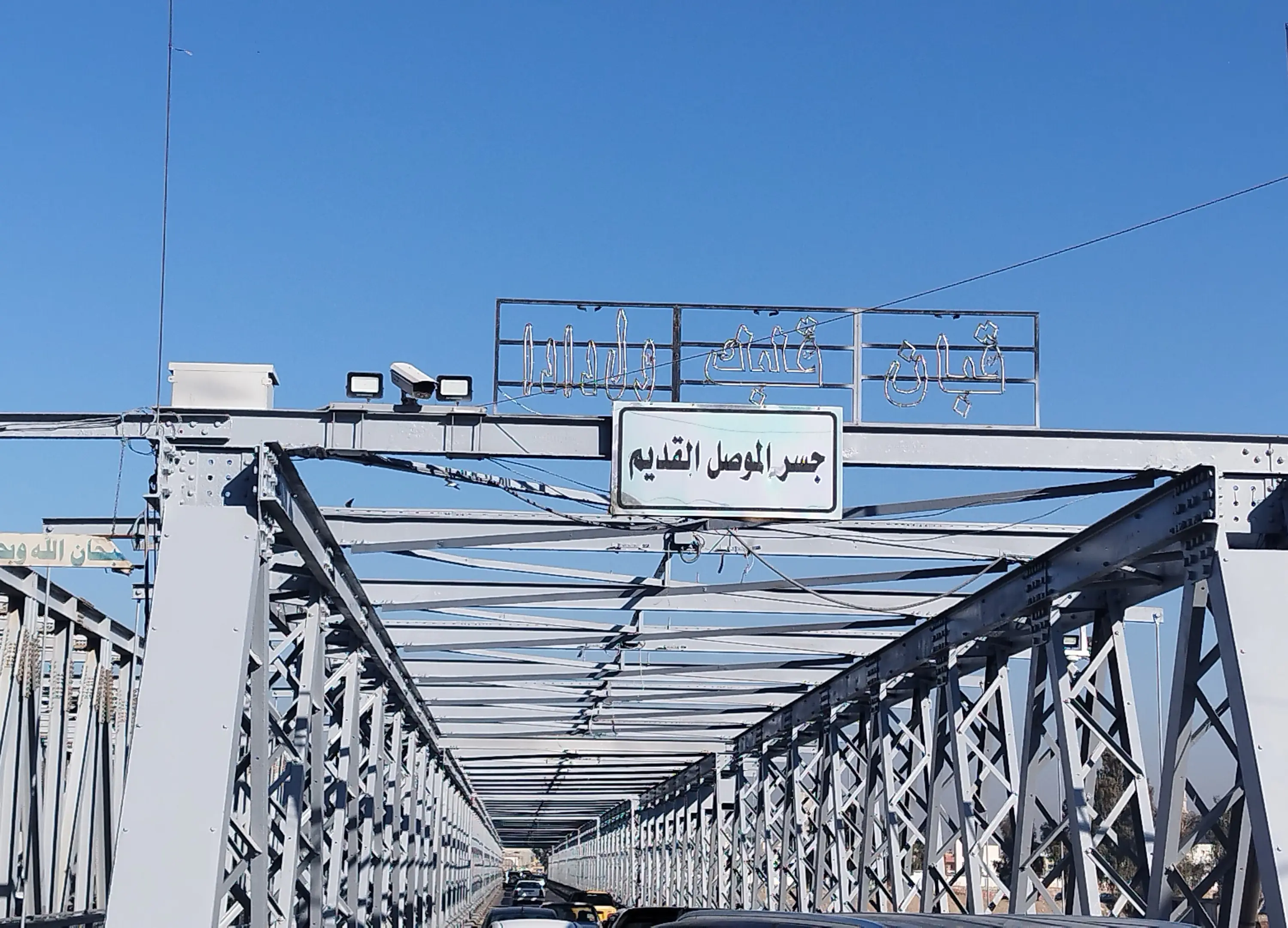
Old Bridge
Historical · Mosul
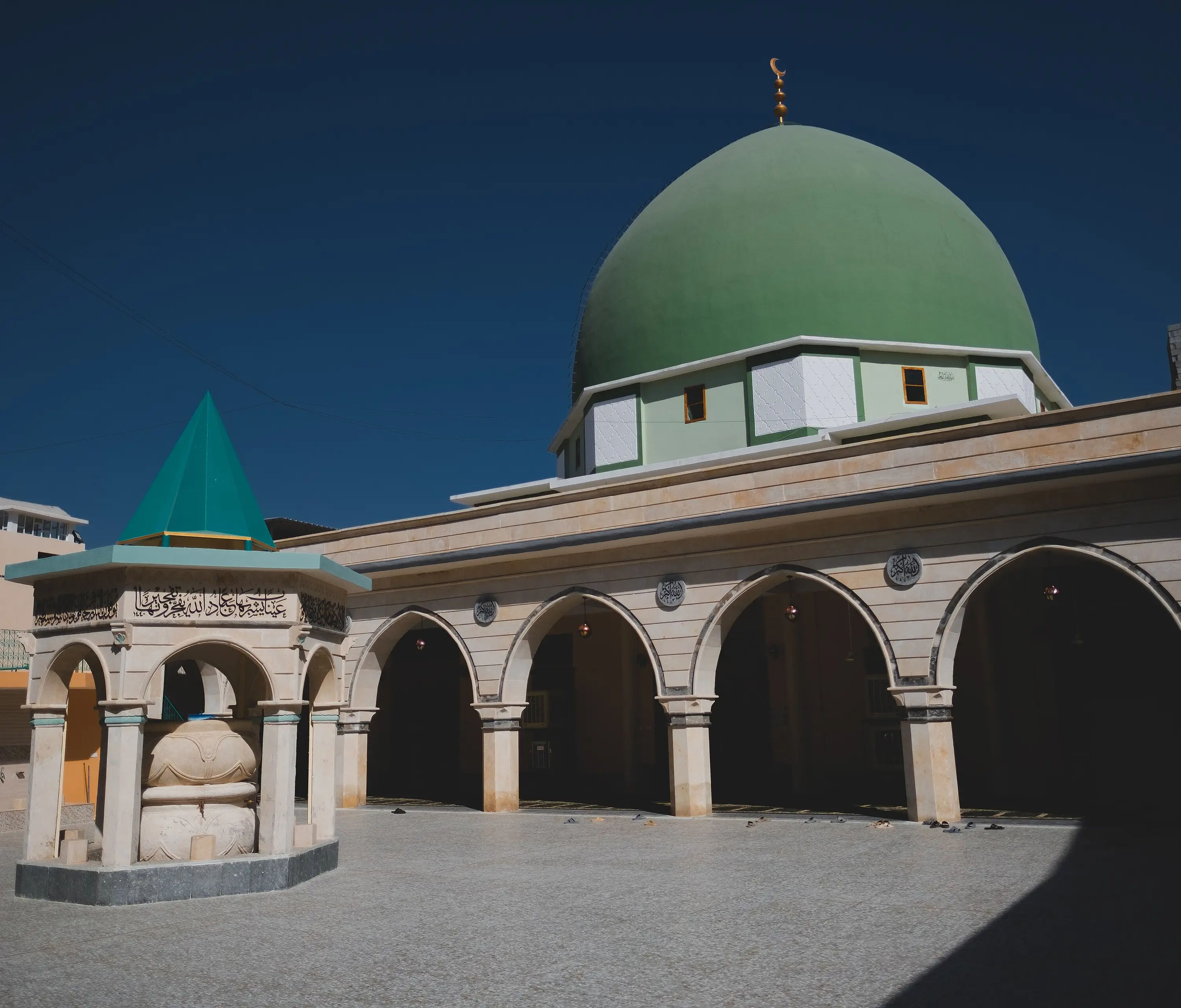
El Basha mosque
Religious · Mosul
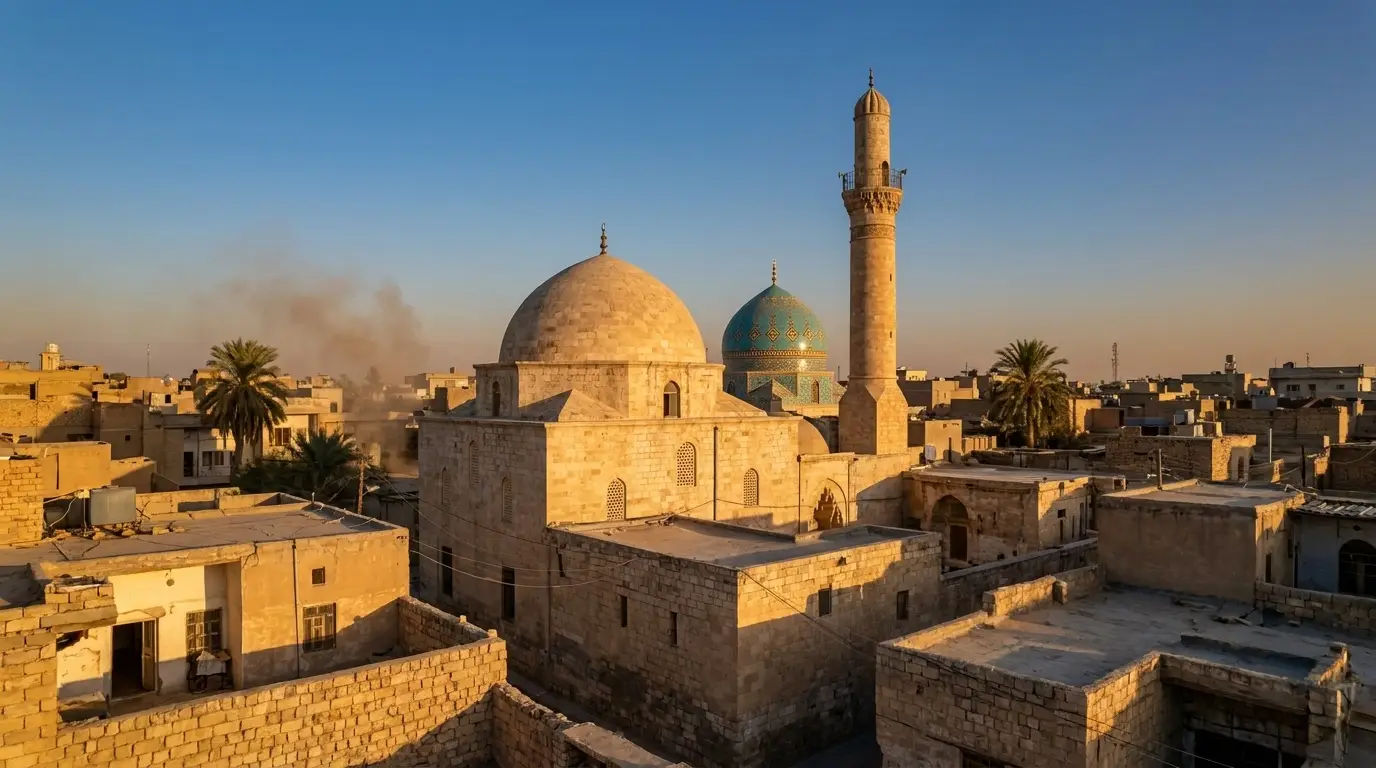
Al-Nabi Jarjis Shrine
Religious · Mosul

كورنيش نهر دجلة
Entertainment · Mosul
What to eat in Mosul
Mosul has a distinctive culinary tradition, often considered one of the most refined in Iraq. Its signature dish is kibbeh Mawsalia, a delicate shell of bulgur stuffed with minced lamb, walnuts, and spices, typically served with yogurt or a tomato broth. Other specialties include pacha, ouzi-style stuffed lamb, kibbeh Hamuth in a tangy stew, and a wide range of stuffed vegetables and savory pastries. Mosul is also known for its sweets, particularly mann al-sama and dense almond pastries, and for excellent coffee in older cafes near the eastern bazaar.
Getting there
Mosul International Airport sustained heavy damage during the conflict and has been undergoing reconstruction. Most travelers therefore arrive overland, typically from Erbil in around one and a half to two hours or from Duhok in roughly two hours. From Baghdad, the road journey takes around four to five hours via Tikrit, traffic and checkpoints permitting. Many international visitors fly into Erbil International Airport (EBL) and continue to Mosul by road, often with a local driver or guide familiar with the route.
Getting around
Within Mosul, taxis are the main way to move between the east and west banks of the Tigris, which are linked by bridges that have been progressively repaired or rebuilt. The Old City on the west bank is best explored on foot with a knowledgeable guide, who can navigate the rising landscape of restored homes, reopened mosques and churches, and the active reconstruction sites around the Al-Nuri Mosque and Al-Tahera Church. The east bank's universities, hospitals, and main commercial streets are more straightforward to reach by taxi or ride-hailing app. Some streets in heavily damaged areas remain narrow and uneven.
Money & payments
Mosul is firmly a cash city as it continues to rebuild. Bring all the dinar and USD you expect to spend before arrival; foreign-card ATMs are rare and unreliable, and most working machines are inside hotel lobbies or the few functioning bank branches in the east bank. Hotels along the east side of the Tigris accept USD and IQD in cash; card acceptance is unusual. Moneychangers operate in the rebuilt commercial streets but compare rates carefully. Restaurants, taxis, the Old City reconstruction-area cafes, and site visits to Nineveh and Nimrud are cash only. A daily cash plan of USD plus small-denomination IQD works best.
Safety
Mosul has been broadly stable since 2017, and visitors with appropriate arrangements increasingly travel through the city to witness reconstruction. Conditions in the Old City still warrant care, as some buildings remain structurally unsound and certain areas are still being cleared of unexploded ordnance. Most travelers visit with a local guide or trusted driver, follow marked routes through restoration zones, and check current advisories close to the date of travel.