
Erbil
Ancient citadel city and modern capital of Iraqi Kurdistan.
About Erbil
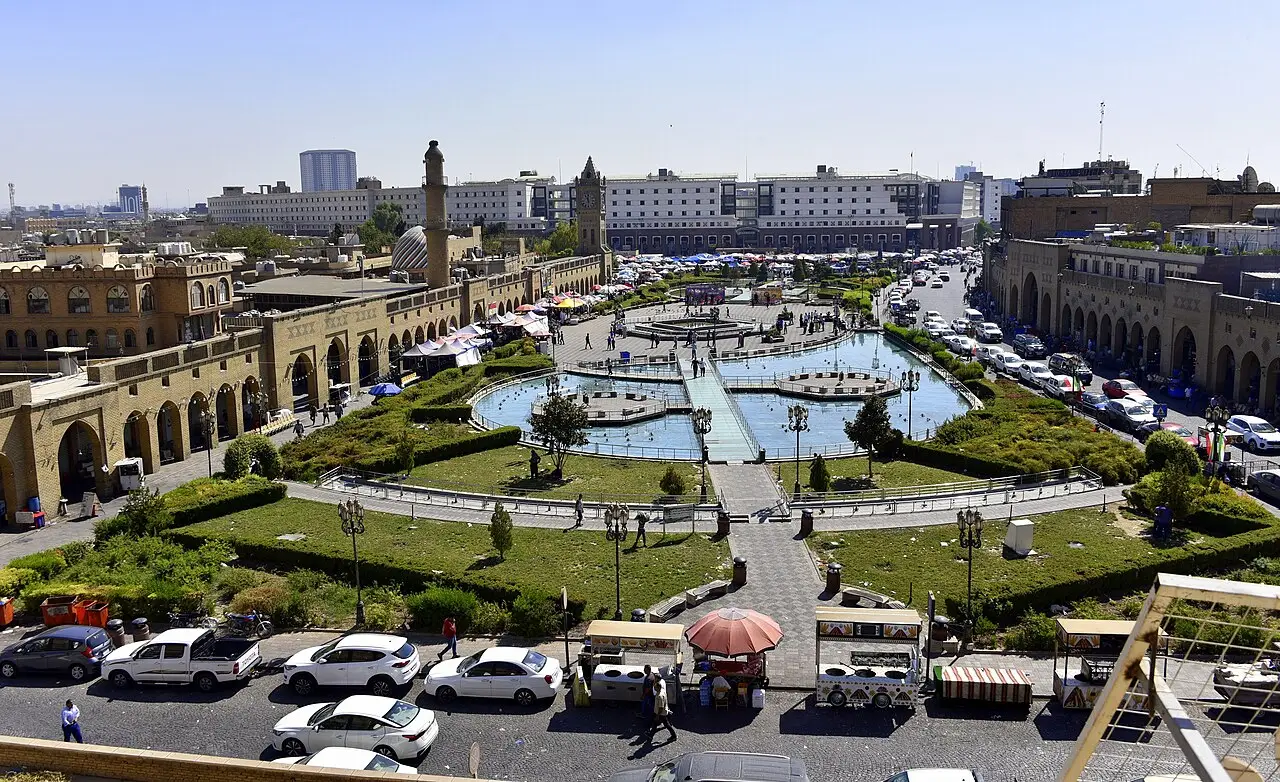
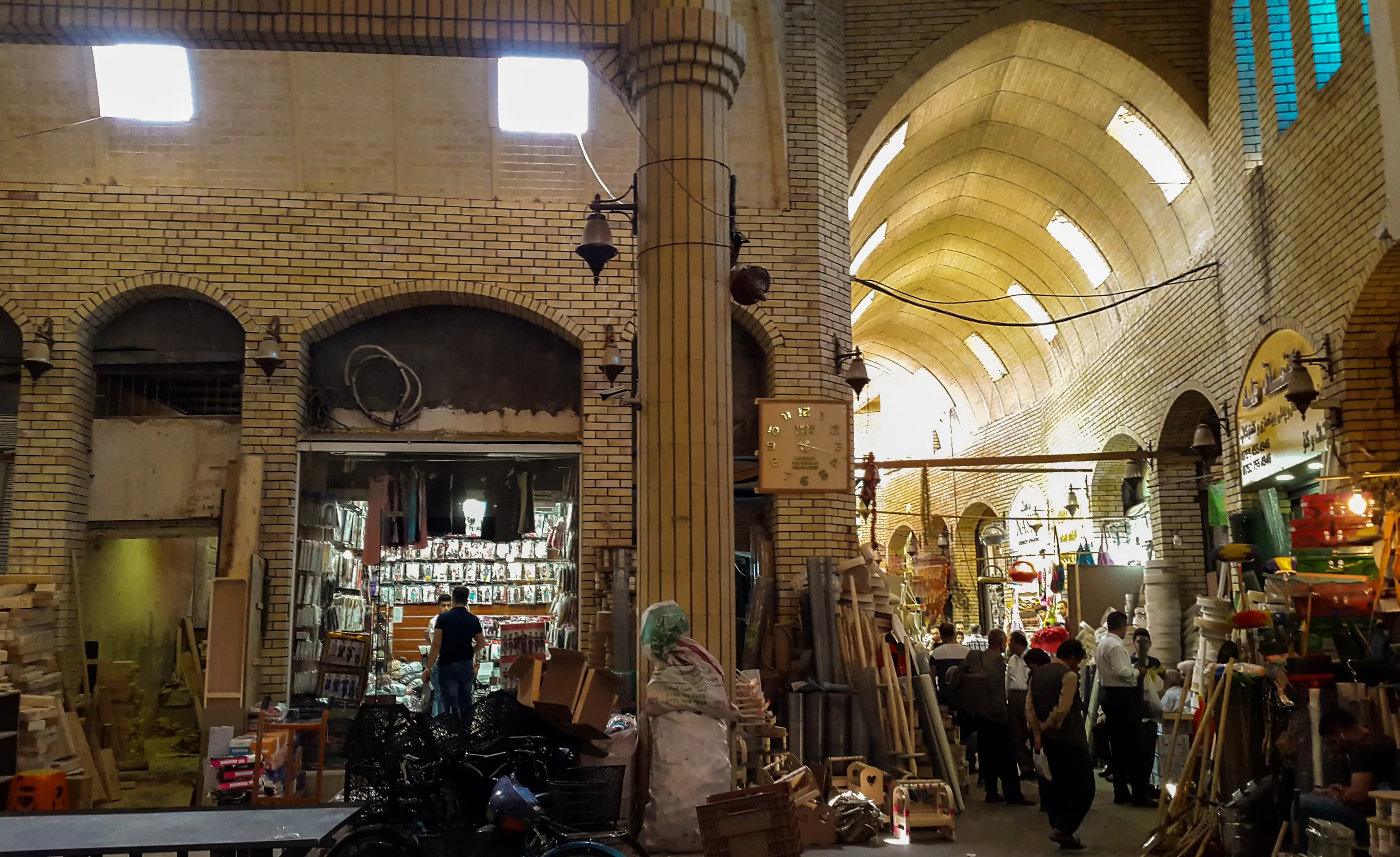
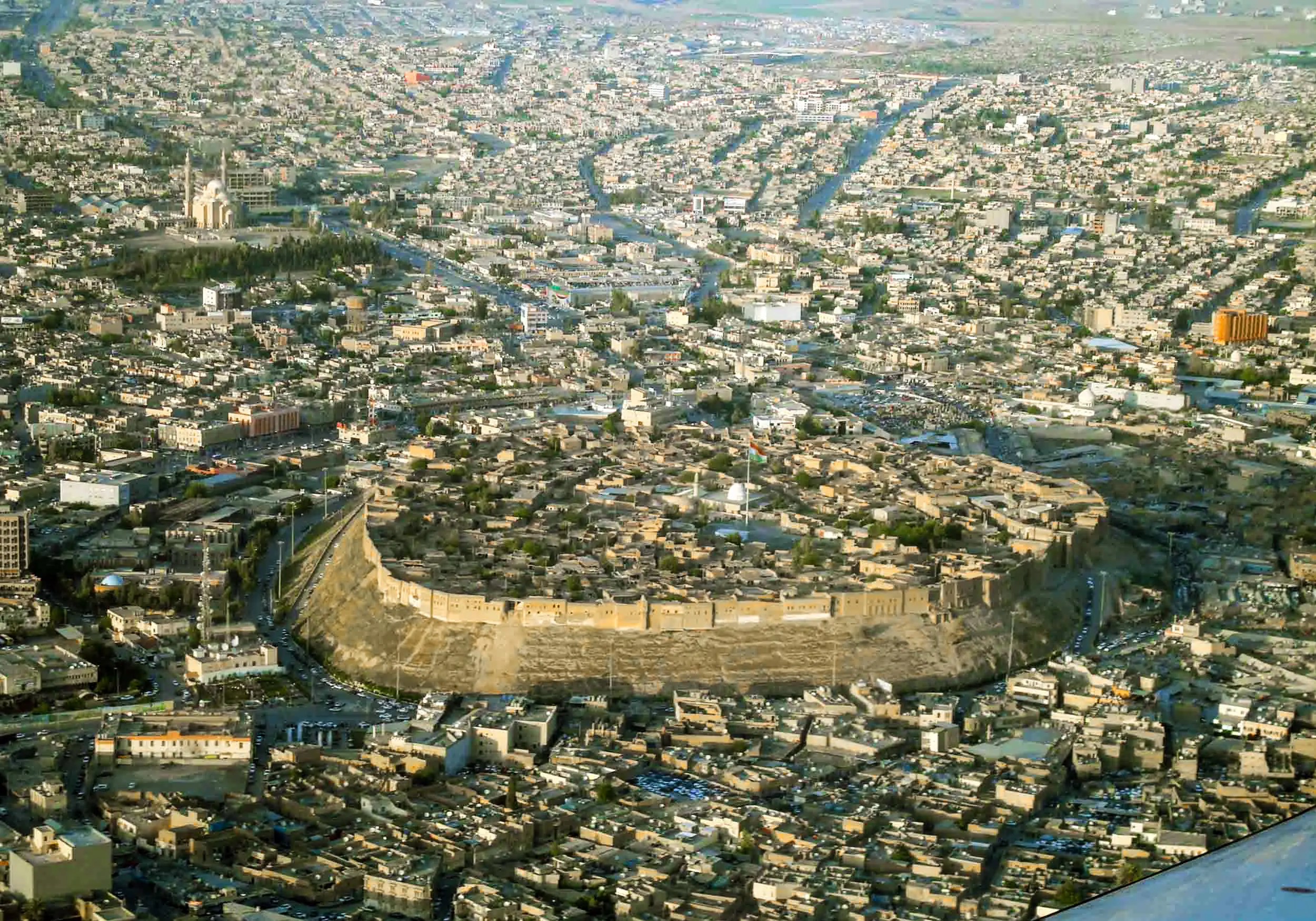
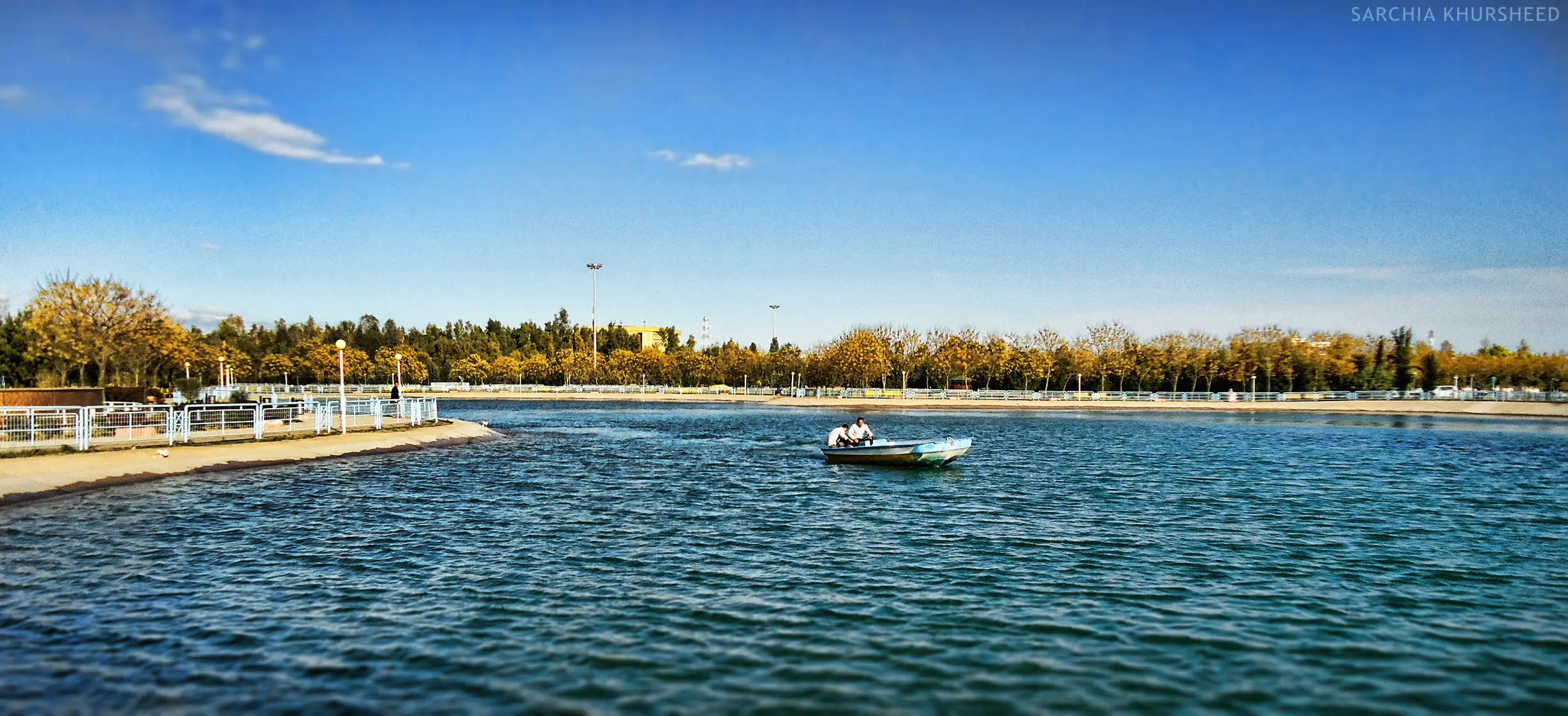
Erbil, known in Kurdish as Hewlêr, rises from a wide plain in northern Iraq and serves as the capital of the Kurdistan Region. With a population of around one and a half million, it has grown rapidly in recent decades into a regional business and diplomatic hub, with international hotels, universities, and consulates clustered around the broad boulevards that radiate from the city center. Yet the heart of Erbil is unmistakably ancient. At its core stands the citadel, a steep-walled mound that rises some thirty meters above the surrounding streets and is widely considered one of the oldest continuously inhabited places on earth, with archaeological evidence of settlement stretching back more than six thousand years. The citadel was inscribed on the UNESCO World Heritage List in 2014 and is undergoing careful restoration. At its base, the Qaysari bazaar, traditional tea houses, and the lively Shar Park draw travelers and locals alike. Erbil is also the most common entry point for visitors to the wider Kurdistan Region, with day trips reaching the gorges of Rawanduz, the ski slopes of Korek Mountain, and the ancient monasteries of Alqosh.
Erbil through history
The site of Erbil, ancient Arbela, appears in cuneiform records as early as the third millennium BCE and was an important Assyrian cult center dedicated to the goddess Ishtar. It witnessed the decisive Battle of Gaugamela in 331 BCE, fought on a nearby plain, after which Alexander the Great defeated Darius III of Persia. The city subsequently passed under Seleucid, Parthian, Sasanian, and early Islamic rule, becoming a stronghold of Eastern Christianity for centuries. Under the Atabeg Muzaffar al-Din Gokburi in the twelfth and thirteenth centuries, Erbil flourished as a regional capital, and it later sat at the crossroads of Mongol, Ilkhanid, Ottoman, and Safavid contention. In the twentieth century it became a focal point of Kurdish political life, and since 1992 it has served as the seat of the Kurdistan Regional Government.
- 1,600,000
- 2300 BCE
When to visit
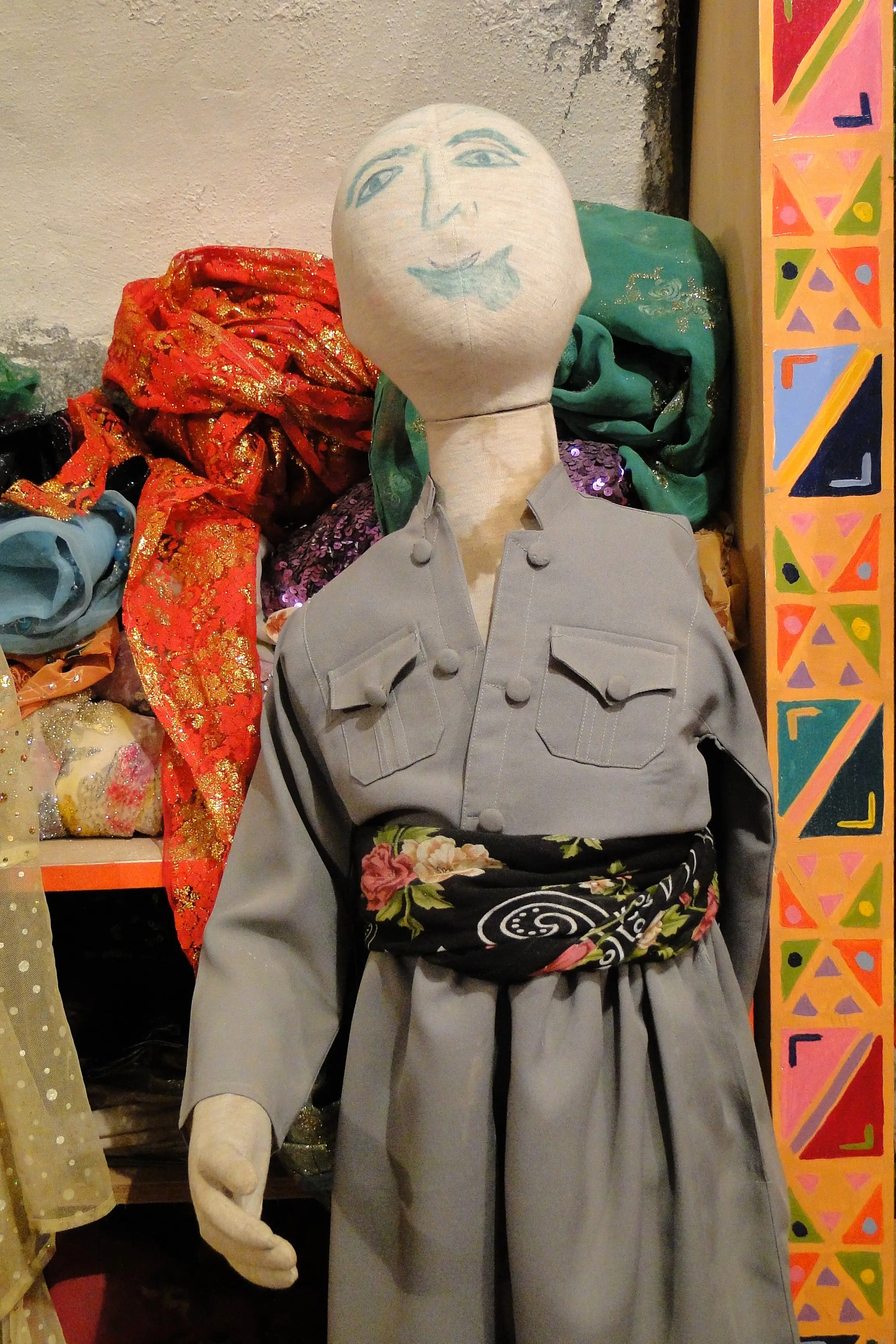
Erbil is best visited between October and April, when daytime temperatures are mild and the surrounding hills are green or freshly capped with snow. Spring is particularly attractive, with wildflowers across the foothills and pleasant temperatures for exploring the citadel and outlying sites. Summers are hot, often above 40 degrees Celsius, though dry and made more bearable by the city's many shaded cafes and indoor attractions. Nowruz, the Kurdish New Year on 21 March, is the most vivid festival of the year, with fires lit on hilltops and processions through the streets in traditional dress.
Top places in Erbil
What to eat in Erbil
Kurdish cuisine in Erbil draws on lamb, bulgur, yogurt, and fresh herbs from the surrounding hills. Dolma in grape leaves and vegetables, kubba shwandar with red beet broth, biryani Erbili, and the slow-cooked stew called tashreeb are staples on local tables. Grilled meats and kebabs are widely available, and the lower bazaar is known for its honey, dried fruits, nuts, and the dense pistachio sweet known as mann al-sama. Tea houses around the citadel, including the historic Mam Khalil, are the classic place to round off a meal with cardamom tea.
Getting there
Erbil International Airport (EBL) is among the busiest in Iraq, with direct flights from across the Middle East, Europe, and parts of Asia, and is the most common entry point for visitors to the Kurdistan Region. Domestic flights link the city to Baghdad and Basra. Overland, well-maintained roads connect Erbil to Sulaymaniyah in three to four hours, Duhok in around two and a half, Mosul in roughly one and a half, and Baghdad in five to six hours, with internal checkpoints between the Kurdistan Region and Federal Iraq.
Getting around
The central districts around the citadel and Shar Park are pleasant to explore on foot, particularly in the evening when the lower bazaar, fountains, and tea houses come alive. Beyond the center, taxis are inexpensive and ride-hailing apps work reliably across the city. For excursions to nearby attractions such as Shanidar Cave, Lalish, and the Rawanduz gorge, hiring a car with a driver for the day is the simplest arrangement and allows time for tea stops at viewpoints along the way. Roads in and around Erbil are generally well signposted in Kurdish, Arabic, and English.
Money & payments
Erbil is the most card-friendly city in Iraq, thanks to the Kurdistan Region's separate banking culture. Hotels in Ankawa and downtown, mid-range restaurants, and the larger malls (Family Mall, Empire) accept Visa and Mastercard with relative consistency. ATMs at Byblos, Cihan, and RT Bank branches usually dispense to foreign cards. Both USD and IQD circulate freely, and Turkish lira is accepted in some business and hotel settings. The best exchange rates are with licensed dealers in and around the Qaysari Bazaar at the foot of the Citadel. Even so, keep a daily cash float for taxis, tea houses, and bazaar shopping.
Safety
Erbil and the wider Kurdistan Region have been among the most stable parts of Iraq for many years and host significant numbers of international travelers and residents. Visitors generally move around freely and follow standard urban precautions. Areas close to disputed boundaries and the borders with Turkey and Iran can occasionally see military activity, and travelers heading into the mountains near those frontiers should check current conditions and stay on well-traveled roads.